Why Veterinary Receptionist is a Great Career
Becoming a veterinary receptionist can be a fulfilling career path, especially for those with a passion for animals and a desire to work in a healthcare environment. It offers the opportunity to interact with pets and their owners, provide essential support to veterinarians and technicians, and contribute to the well-being of animals. The role is often the first point of contact for clients, making it a vital part of the clinic’s operations. Moreover, the veterinary field is generally stable, with consistent demand for qualified staff, which can provide a sense of job security. The skills gained are also transferable to other administrative or customer service roles.
Key Skills for Veterinary Receptionists
While prior experience in a veterinary clinic may be beneficial, many essential skills are transferable and can be highlighted in your cover letter. These skills demonstrate your ability to handle the responsibilities of the role effectively. Focusing on your existing abilities and a willingness to learn will increase your chances of securing an interview.
Communication

Effective communication is crucial for interacting with clients, veterinarians, and staff. It includes active listening, clear and concise verbal communication, and professional written communication. Highlight any experiences where you’ve successfully communicated information, resolved conflicts, or handled sensitive situations. These communication skills are vital for creating a positive experience for pet owners and ensuring smooth clinic operations.
Organization
Veterinary receptionists need to manage appointments, patient records, and various administrative tasks. Showcase any experience with organization, time management, and multitasking. Even if it is not directly related to a veterinary environment. Examples include managing schedules, handling paperwork, or keeping track of deadlines. The ability to stay organized is critical for keeping the clinic running efficiently.
Customer Service
Excellent customer service skills are essential for creating a welcoming environment and handling client inquiries and concerns. Emphasize any experience in customer-facing roles. This may include retail, hospitality, or any position where you interacted with the public. Demonstrate your ability to handle difficult situations, provide solutions, and ensure client satisfaction. Your ability to provide exceptional customer service creates a positive impression of the clinic.
Compassion

Working in a veterinary clinic requires empathy and compassion for both animals and their owners. Express your genuine care for animals and your ability to remain calm and supportive in stressful situations. This is often a natural trait that can be mentioned by showcasing your love for animals through personal experiences. Showcasing your compassion can make the difference in securing the role.
Highlighting Transferable Skills From Previous Roles
Even without direct veterinary experience, you likely possess relevant skills that can be transferred to the role of a veterinary receptionist. The key is to identify these skills and articulate how they apply to the job. Use specific examples to demonstrate your abilities.
Customer Service Experience
If you’ve worked in customer service, emphasize your experience in handling inquiries, resolving complaints, and providing excellent service. Highlight your ability to remain calm and professional under pressure and your commitment to client satisfaction. This experience demonstrates your ability to provide a positive experience for pet owners.
Administrative Skills

If you have experience with administrative tasks such as data entry, managing phone calls, or scheduling appointments, highlight these skills. Veterinary clinics rely heavily on administrative support. These skills are directly transferable and will prove you can contribute effectively.
Organizational Abilities
Showcase any experience you have with organizing tasks, managing time, and multitasking. This could be through previous jobs, volunteer work, or even personal projects. Mention how you manage your tasks to meet deadlines. Highlighting these abilities will assure the employer that you can manage the demands of the role effectively.
Emphasizing Your Passion for Animals
Your genuine love for animals can be a significant asset. Express your passion and how you hope to contribute to their well-being. This can come from personal experiences, such as owning pets or volunteering at animal shelters. Demonstrating your passion can set you apart from other candidates. Your enthusiasm can show that you understand the needs of the patients.
Research the Clinic and Tailor Your Letter

Before writing your cover letter, research the veterinary clinic. Understand their mission, values, and services. Tailor your letter to align with their specific needs and demonstrate that you understand their practice. This shows that you are invested in the role and are willing to contribute to their success. Also, tailoring your letter to match their needs will make you stand out.
Showcase Your Enthusiasm and Willingness to Learn
Your enthusiasm to learn is crucial, especially without prior experience. Express your willingness to learn new skills, assist with various tasks, and take on responsibilities. This can be accomplished by mentioning your eagerness to shadow experienced staff and attend any training sessions provided. By showcasing your willingness to learn you can overcome the lack of experience.
Address Common Concerns
When applying for a veterinary receptionist position with no experience, it’s essential to address any potential concerns the employer may have. Be proactive and honest about your lack of direct experience while emphasizing your other qualifications.
Lack of Experience

Directly acknowledge your lack of veterinary experience but focus on what you do bring to the table. Highlight your transferable skills, such as customer service, communication, and organizational abilities. Express your eagerness to learn and adapt to the demands of the job. This proactive approach shows your self-awareness and willingness to contribute.
Highlighting Soft Skills
Soft skills are your interpersonal and character traits. They are crucial for the role. Provide examples of how you’ve demonstrated these skills in previous situations. This is crucial for demonstrating your suitability for the role. Focus on your ability to stay organized and multitask effectively. Demonstrate your empathy and compassion for animals and their owners. Mention your problem-solving skills.
Crafting Your Cover Letter
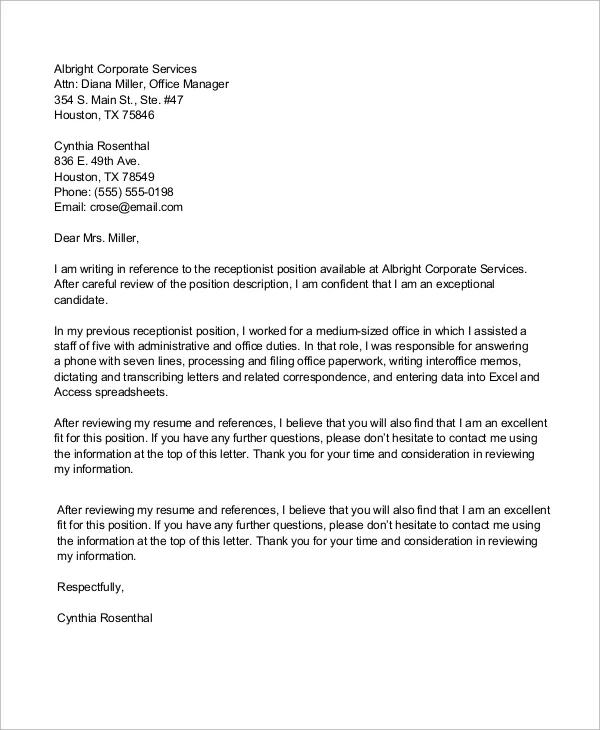
A well-written cover letter is essential. It should be clear, concise, and tailored to the specific clinic you’re applying to. The tone should be professional and enthusiastic. Here’s how to structure your cover letter effectively.
Opening Paragraph: Grab Their Attention

Start with a strong opening that immediately grabs the reader’s attention. State the position you’re applying for, and express your enthusiasm for the opportunity. Mention something specific about the clinic that appeals to you. This can include their values, their mission, or something you admire about their practice. Avoid generic opening statements.
Body Paragraphs: Showcase Your Skills
In the body paragraphs, showcase your skills and experience. Highlight your transferable skills, such as customer service, communication, and organizational abilities. Provide specific examples of how you’ve used these skills in the past. For example, describe a time when you resolved a customer issue or managed a challenging situation. Quantify your achievements whenever possible. For instance, mention how you improved customer satisfaction or streamlined a process. Customize each letter.
Closing Paragraph: Call to Action
In your closing paragraph, reiterate your interest in the position. Thank the reader for their time and consideration. Include a call to action, such as expressing your availability for an interview. Provide your contact information and make sure your resume is attached. Proofread everything.
Review and Proofread Your Cover Letter

Before submitting your cover letter, carefully review and proofread it. Ensure there are no grammatical errors or typos. Check for clarity and conciseness. Ask someone else to review your cover letter and provide feedback. A polished cover letter demonstrates your attention to detail and professionalism.