What is a Cover Letter
A cover letter is a crucial document that accompanies your resume when applying for a job. It serves as your first introduction to a potential employer, providing an opportunity to elaborate on your skills, experience, and qualifications. Unlike a resume, which offers a factual overview of your background, a cover letter allows you to express your personality, demonstrate your enthusiasm for the position, and explain why you are the perfect fit for the role. It should be tailored to each specific job application, showcasing your understanding of the company and the requirements of the position.
Importance of Cover Letter
The importance of a well-crafted cover letter cannot be overstated in the job application process. It significantly enhances your chances of securing an interview. A cover letter allows you to personalize your application and demonstrate your genuine interest in the specific opportunity. It also provides context to your resume, helping the hiring manager understand how your skills and experiences align with the job requirements. Moreover, a cover letter can highlight any unique aspects of your background or explain gaps in your employment history, making you stand out from other applicants.
Cover Letter Structure

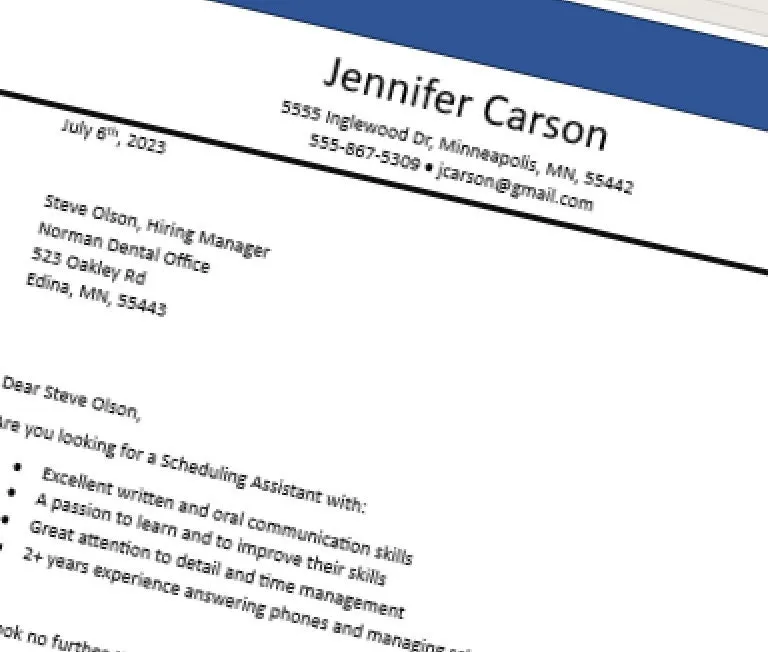
A well-structured cover letter follows a standard format to ensure clarity and professionalism. The structure includes key components such as a header with contact information, a salutation, an opening paragraph, body paragraphs, a closing paragraph, a formal closing, and your signature. Each section plays a vital role in conveying your message effectively and capturing the reader’s attention. Adhering to this structure ensures that your cover letter is easy to read and quickly conveys your key qualifications.
Header and Contact Information
The header of your cover letter should include your full name, address, phone number, and email address. It’s essential to use a professional-looking email address. Also, include the date and the hiring manager’s name and address if you know it. Proper formatting in the header establishes professionalism and makes it easy for the employer to contact you.
Salutation
Address your cover letter to the hiring manager by name whenever possible. Research the company to find out the name of the person responsible for hiring for the specific position. If you can’t find a name, use a professional greeting such as “Dear Hiring Manager.” Avoid generic greetings like “To Whom It May Concern.”
Opening Paragraph

Start with a strong opening that grabs the reader’s attention. State the position you’re applying for and how you found the job opportunity. Briefly mention why you are interested in the role and the company. This paragraph should immediately set the tone for your letter and indicate your purpose.
Body Paragraphs
The body paragraphs are the core of your cover letter, where you demonstrate your qualifications and suitability for the role. Use these paragraphs to highlight your relevant skills and experience, showcase your achievements, and address the specific requirements listed in the job description. Provide specific examples and quantify your accomplishments whenever possible.
Highlight Relevant Skills
Identify the key skills required for the job and demonstrate how you possess them. Use action verbs to describe your abilities and provide examples from your past experiences that illustrate those skills. Tailor your examples to match the job requirements, ensuring that you are showcasing your most relevant strengths.
Showcase Achievements

Instead of simply listing your responsibilities, emphasize your accomplishments. Quantify your achievements whenever possible by using numbers, percentages, or specific results. For example, if you increased sales in a previous role, specify the percentage increase. Showcasing your accomplishments demonstrates your value and ability to deliver results.
Address Job Requirements
Carefully review the job description and address each of the key requirements. Explain how your skills and experience align with each of the listed qualifications. By directly referencing the job description, you show the hiring manager that you have carefully considered the role and are a strong match.
Closing Paragraph
In your closing paragraph, reiterate your interest in the position and express your enthusiasm for the opportunity. Thank the hiring manager for their time and consideration. Clearly state your intention to follow up or express your availability for an interview. Keep it concise and professional.
Formal Closing

Use a professional closing such as “Sincerely,” “Best regards,” or “Thank you.” Avoid informal closings like “Cheers” or “Best.” This ensures that your cover letter maintains a professional tone throughout.
Signature
If you are submitting a printed cover letter, leave space for your handwritten signature above your typed name. If you are submitting your cover letter electronically, you can simply type your full name.
Top 7 Tips to Write a Winning Cover Letter
Writing a winning cover letter requires careful planning and execution. Focusing on the right elements can make a significant difference in how your application is perceived. These tips are designed to help you create a cover letter that impresses potential employers and increases your chances of landing an interview.
Tailor to the Specific Job

Customize your cover letter for each job application. Don’t use a generic template. Read the job description carefully and identify the key requirements, and then adjust your letter to address those specific needs. Highlighting your relevant skills and experience is crucial, so ensure that your letter directly speaks to the job’s requirements.
Highlight Relevant Skills and Experience
Focus on the skills and experiences that are most relevant to the job you are applying for. Don’t try to include everything from your resume. Select the most relevant information and tailor your examples to match the needs of the position. This targeted approach demonstrates that you understand the role and can quickly contribute to the team.
Quantify Achievements
Whenever possible, use numbers and data to demonstrate your accomplishments. For example, instead of saying “Managed social media accounts,” say “Increased social media engagement by 30% in six months.” Quantifying your achievements makes your claims more credible and shows the impact of your work.
Showcase Enthusiasm and Passion

Let your enthusiasm for the job and the company shine through. Show that you’ve researched the company and understand its mission and values. Express your excitement about the opportunity and explain why you are a good fit. Passionate applicants often leave a lasting impression on hiring managers.
Keep it Concise and Focused
Cover letters should be brief and to the point. Aim for one page, focusing on the most important information. Use clear and concise language, and avoid unnecessary jargon. Keep each paragraph focused and easy to read to capture the hiring manager’s attention quickly.
Proofread Meticulously
Proofread your cover letter carefully for any typos or grammatical errors. These errors can undermine your credibility and make a negative impression. Use spell-check, and consider having a friend or family member review your letter as well. A polished cover letter shows attention to detail.
Follow the Employer’s Instructions
Carefully read the job posting for any specific instructions about how to apply or what to include in your cover letter. Following these instructions demonstrates that you pay attention to detail and respect the employer’s guidelines. Not following instructions can lead to your application being immediately rejected.
Cover Letter Formatting and Design
The formatting and design of your cover letter can significantly impact its readability and professionalism. Pay attention to font selection, margins, spacing, and overall appearance to ensure that your letter is visually appealing and easy to read. A well-designed cover letter demonstrates that you care about the details.
Font and Font Size
Choose a professional and easy-to-read font such as Times New Roman, Arial, or Calibri. Use a font size between 10 and 12 points to ensure readability. Avoid using overly ornate fonts, as they can be distracting and make your letter harder to read.
Margins and Spacing
Set your margins to one inch on all sides to create a balanced look. Use single-spaced paragraphs with a double space between paragraphs. This spacing ensures that your letter is easy to read and does not appear cluttered.
Use of White Space
Use white space strategically to improve readability. Avoid long blocks of text. Break up paragraphs into manageable sizes and leave space between sections to make your letter more visually appealing and easier to scan.
Professional Appearance
Ensure that your cover letter has a clean, professional appearance. Use a simple and consistent style throughout your letter. Avoid using excessive colors or graphics, as they can distract from your message. A professional appearance shows that you take your job application seriously.
Proofreading and Editing
Before submitting your cover letter, thoroughly proofread and edit it for any errors. This includes checking for typos, grammatical errors, and inconsistencies in formatting. Ideally, have someone else review your letter to provide a fresh perspective. A polished cover letter reflects your attention to detail and professionalism, increasing your chances of making a positive impression and getting the job.
A strong cover letter is essential for making a positive first impression and securing a job interview. By following these tips, you can create a compelling cover letter that highlights your skills, experience, and enthusiasm, ultimately increasing your chances of landing your dream job.