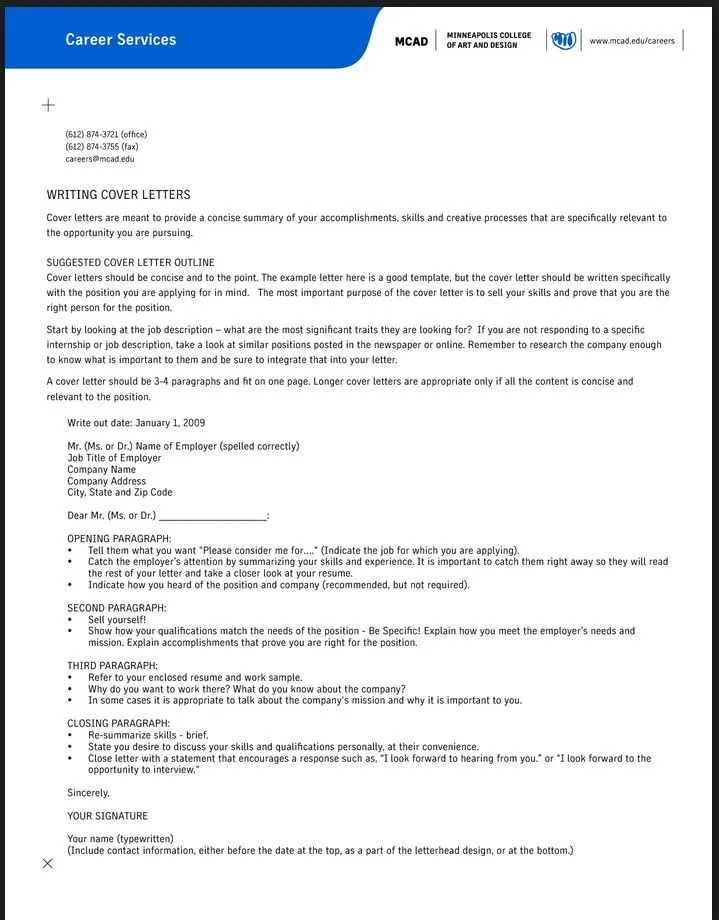
What is a Teacher Cover Letter
A teacher cover letter is a crucial document accompanying your resume when applying for teaching positions. It serves as a personal introduction, allowing you to highlight your qualifications, experiences, and passion for education. Unlike a resume, which provides a factual overview of your career, a cover letter gives you the opportunity to connect with the hiring manager on a more personal level and explain why you are the perfect fit for the specific role and school.
Why a Cover Letter Matters for Teachers
In a competitive job market, a well-crafted cover letter can make all the difference. It demonstrates your communication skills, attention to detail, and genuine interest in the position. It’s an opportunity to distinguish yourself from other applicants and showcase your unique teaching philosophy and approach. A strong cover letter can significantly increase your chances of securing an interview and ultimately landing your dream teaching job.
The Purpose of a Teacher Cover Letter

The primary purpose of a teacher cover letter is to persuade the hiring manager that you are the best candidate for the job. It should explain why you’re interested in the specific school or district, how your skills and experience align with their needs, and what you can bring to their educational environment. Your letter should also reflect your understanding of the school’s mission, values, and the specific requirements of the position. It should also compel the reader to want to learn more about you in the interview.
Key Components of a Teacher Cover Letter
A well-structured teacher cover letter includes several key components that work together to present a compelling case for your candidacy. Each section serves a specific purpose and contributes to the overall effectiveness of your application. From the header to the closing, every element should be carefully crafted to create a positive impression and increase your chances of getting hired. The key components will be discussed below.
Header of Your Cover Letter
The header is the first thing the hiring manager will see, so it’s crucial to make a good impression. It should be professional, well-organized, and easy to read. It sets the tone for the rest of your letter and demonstrates your attention to detail. The header should include your contact information and the date, and the recipients contact info.
Your Contact Information

Include your full name, phone number, email address, and LinkedIn profile URL (optional). Ensure your email address is professional and appropriate. Your contact information should be at the top left of your letter. It should be easy for the hiring manager to quickly find your contact details.
Date and Recipient Information
Below your contact information, include the date and the hiring manager’s name and title, and the school’s name and address. If you do not know the hiring manager’s name, address your letter to the ‘Hiring Committee’ or ‘Human Resources Department.’ Research the school to ensure you are sending the letter to the correct department.
Opening Paragraph
The opening paragraph is your first opportunity to capture the reader’s attention. It should clearly state the position you are applying for and where you saw the job posting. It should also include a brief statement about why you are interested in the role and the school. The goal is to make a strong first impression and encourage the reader to continue reading.
How to Grab the Reader’s Attention

Start with a compelling hook that showcases your enthusiasm and passion for education. Mention something specific about the school that resonates with you, such as its mission, values, or programs. Briefly highlight a key achievement or skill that aligns with the job requirements. Avoid generic opening statements; make your opening unique and tailored to the specific position.
Highlighting Your Skills and Experience
This is the heart of your cover letter, where you showcase your qualifications and how they align with the job requirements. Provide concrete examples of your accomplishments, skills, and experiences. Use the job description as a guide and tailor your examples to match the specific needs of the school. This section is your chance to explain why you are the best fit for the position.
Showcasing Your Qualifications
Focus on the qualifications listed in the job description, such as your teaching certifications, educational background, and relevant experience. Use specific examples to illustrate your abilities. For instance, if the job requires experience with differentiated instruction, describe how you have successfully implemented this in your classroom and the positive outcomes you achieved. Highlight your understanding of curriculum development, classroom management, and student assessment.
Quantifying Your Achievements

Whenever possible, quantify your achievements with data and statistics. Instead of saying ‘Improved student test scores,’ say ‘Improved student test scores by 15% within one year.’ Quantifiable results demonstrate your impact and credibility. Use numbers to showcase your successes, such as the number of students you’ve taught, the percentage of students who met or exceeded expectations, or any awards or recognition you received.
Expressing Your Passion for Teaching
Authenticity and passion are critical in a teacher cover letter. Share why you love teaching and what motivates you to work with students. Discuss your teaching philosophy, your approach to creating a positive learning environment, and your commitment to student success. Show your personality and let your enthusiasm shine through.
Closing the Cover Letter
The closing paragraph should reiterate your interest in the position and express your gratitude for the reader’s time and consideration. It should also include a call to action, encouraging the hiring manager to contact you for an interview.
Call to Action

End your cover letter with a clear call to action. State that you are eager to discuss your qualifications further and are available for an interview. Thank the hiring manager for their time and consideration. Include your contact information again. Always proofread before you send.
Proper Formatting and Proofreading
Formatting and proofreading are crucial for making a professional impression. Your cover letter should be well-formatted, easy to read, and free of errors. Careful attention to detail shows that you care about your application and that you are a meticulous and organized individual. It demonstrates your professionalism and attention to detail, which are important qualities for any teacher.
Formatting Best Practices
Use a professional and easy-to-read font, such as Times New Roman or Arial, with a font size between 10 and 12 points. Use single-spaced lines with a space between each paragraph. Ensure your margins are set to one inch on all sides. Use clear headings and subheadings to organize your content. Keep your letter concise, ideally no more than one page.
Proofreading Checklist

Before submitting your cover letter, carefully proofread it for any errors in grammar, spelling, and punctuation. Use a spell checker and grammar checker, but do not rely on them entirely. Read your letter aloud to catch any awkward phrasing or typos. Ask a friend, colleague, or family member to review your letter. Ensure the formatting is consistent throughout the document. Double-check all names, dates, and contact information.
Final Thoughts & Next Steps
Writing a compelling cover letter is essential for any teacher looking to advance their career. By following these guidelines, you can create a cover letter that highlights your skills, experience, and passion for teaching. Remember to tailor your letter to each specific job and school. Good luck with your job search! The next step is to tailor the cover letter to the specific role and school.