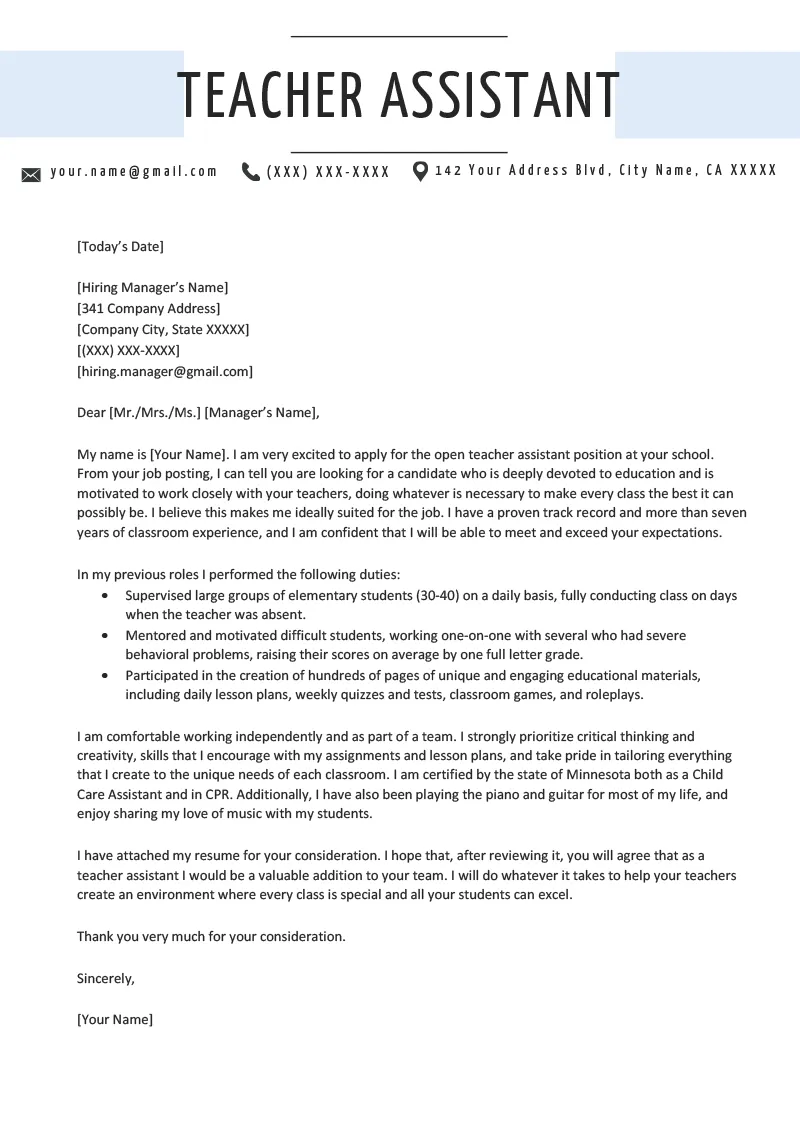
What is a Teacher Cover Letter
A teacher cover letter is a crucial document that accompanies your resume when applying for teaching positions. It serves as a personal introduction and provides an opportunity to highlight your qualifications, skills, and passion for education. Unlike a resume, which provides a factual overview of your experience, the cover letter allows you to express your personality and explain why you are the ideal candidate for the specific role. It’s your chance to make a strong first impression and convince the hiring manager to read your resume with interest. It should always be tailored to the specific job and school, demonstrating that you’ve done your research and are genuinely interested in the opportunity. This demonstrates your commitment and professionalism, making you stand out from the crowd and increasing your chances of landing an interview. The cover letter is not just a formality; it’s a strategic tool in your job application arsenal.
Why is a Teacher Cover Letter Important
The importance of a teacher cover letter lies in its ability to provide context and personality to your application. A resume alone can sometimes feel impersonal and lack the narrative that truly represents who you are as an educator. The cover letter allows you to connect with the hiring manager on a personal level, demonstrating your enthusiasm and commitment to teaching. It allows you to elaborate on your experiences, explain your teaching philosophy, and showcase your unique strengths that might not be immediately apparent from your resume. Furthermore, it allows you to tailor your application to each specific job, highlighting the skills and experiences that are most relevant to the position. This level of personalization shows that you’ve taken the time to understand the school’s needs and that you are genuinely interested in joining their team. A well-crafted cover letter can make all the difference in getting you noticed and securing an interview, thus significantly boosting your chances of success in the competitive field of education.
Key Components of a Teacher Cover Letter

A strong teacher cover letter consists of several key components that work together to create a compelling narrative. These elements include a professional header with your contact information and the date, followed by the hiring manager’s information. A personalized greeting sets the tone, showing that you have addressed the letter to the right person. The opening paragraph should immediately grab the reader’s attention by stating the position you’re applying for and expressing your enthusiasm. The body of the letter should highlight your relevant skills and experiences, providing specific examples of your accomplishments. It’s important to showcase how your qualifications align with the job description. The closing paragraph should reiterate your interest, summarize your key strengths, and include a call to action, such as expressing your availability for an interview. Finally, the letter should be professionally formatted, well-organized, and free of errors. Each component plays a crucial role in demonstrating your suitability for the position and leaving a positive impression.
Header Information
The header is the first element of your cover letter, and it should include your contact information and the date. Start with your full name, address, phone number, and email address. This ensures that the hiring manager can easily reach you. Below your information, include the date you are sending the letter. Following the date, add the hiring manager’s name, title, and the school’s address. If the name of the hiring manager is unknown, research the school’s website or call the school to find out. Using the correct name and title demonstrates your attention to detail and professionalism, setting a positive tone for the rest of your application. The header should be clean, well-formatted, and consistent with your resume’s style.
Greeting the Hiring Manager
The greeting is your initial point of contact with the hiring manager, so it’s crucial to get it right. Begin with a professional salutation, such as ‘Dear Mr./Ms./Mx. [Last Name].’ If you know the hiring manager’s name, using it shows that you’ve done your research and that you’re personalizing your application. Avoid generic greetings like ‘To Whom It May Concern’ or ‘Dear Sir/Madam,’ as they can make your letter seem less engaging. If you are unsure of the hiring manager’s name, try to find it through the school’s website or LinkedIn. If that is impossible, use a more general greeting like ‘Dear Hiring Committee’ or ‘Dear [School Name] Principal.’ This personal touch can make a significant impact, making your cover letter more memorable and showing your initiative.
Crafting the Opening Paragraph

The opening paragraph is your chance to immediately capture the reader’s attention. Start by clearly stating the specific teaching position you are applying for and where you found the job posting. Briefly express your enthusiasm for the role and the school. Make sure to mention the school name and show that you are familiar with their mission, values, or programs. This shows that you’ve taken the time to learn about the school and that you’re genuinely interested in joining their team. Avoid generic statements; instead, try to convey a sense of excitement and highlight a key aspect that aligns with the school’s needs. A strong opening paragraph sets the tone for the rest of your letter and encourages the reader to continue. This is your opportunity to leave a lasting first impression.
Highlighting Your Skills and Experience
The body of your cover letter is where you elaborate on your skills and experience, providing specific examples to demonstrate your qualifications. Use this section to align your skills with the job requirements, which can be found in the job description. Provide evidence of your accomplishments by describing your successes, such as improved student test scores, innovative teaching methods, or successful classroom management techniques. Be specific and use quantifiable data whenever possible to support your claims. This gives the hiring manager a clear picture of your capabilities and shows the value you can bring to the school. It’s also important to highlight your teaching philosophy and how it aligns with the school’s values. This section should be well-organized, easy to read, and tailored to the specific role you are applying for.
Showcasing Achievements and Qualifications
In this section, delve deeper into your achievements and qualifications. Use the STAR method (Situation, Task, Action, Result) to describe specific examples of your accomplishments. For instance, describe a situation you faced, the task you were assigned, the actions you took, and the positive results you achieved. Include your educational background, certifications, and any professional development experiences that are relevant to the position. Highlight any special skills, such as experience with specific teaching methodologies, technologies, or diverse student populations. Quantify your achievements whenever possible. For example, “Increased student engagement by 30%” or “Implemented a new reading program that improved reading comprehension scores by 15%.” This concrete evidence will demonstrate your value to the hiring team.
Tailoring Your Cover Letter to the Job Description

Tailoring your cover letter to each job description is essential to show that you are a good fit for the specific role and school. Carefully review the job posting and identify the key skills, qualifications, and requirements. Customize your letter to address these specific needs. Use the same keywords and phrases that are used in the job description, but be sure to use them naturally within your writing. Provide specific examples from your experience that demonstrate how you possess the required skills. Avoid using a generic cover letter. Tailoring shows that you have carefully considered the position and that you are genuinely interested in the opportunity. This personalized approach will make your application stand out and demonstrate your attention to detail.
Writing a Compelling Closing
The closing paragraph should reinforce your interest in the position and summarize your key strengths. Reiterate your enthusiasm for the opportunity and restate why you believe you are a good fit for the school. Include a call to action, such as expressing your availability for an interview and providing your contact information. Thank the hiring manager for their time and consideration. Maintain a professional and positive tone. Avoid sounding too eager or presumptuous. Make sure your closing reflects your genuine interest in the role and leaves the reader with a strong, positive impression. The closing should be concise, yet memorable, leaving the hiring manager with a clear understanding of why you are the best candidate for the job.
Proofreading and Formatting Your Cover Letter
Proofreading and formatting are essential steps to ensure your cover letter is professional and error-free. Carefully proofread your letter for any typos, grammatical errors, and inconsistencies. Use a spell-checker, but also read the letter aloud to catch mistakes that spell-check might miss. Pay attention to the formatting of your letter. Use a standard font, such as Times New Roman or Arial, with a readable font size (11 or 12 points). Maintain consistent margins and spacing. Ensure your letter is well-organized, with clear sections and headings. Avoid using overly elaborate fonts or distracting design elements. A clean, well-formatted letter shows that you pay attention to detail and take pride in your work. Having a friend or career advisor review your letter can also help you identify errors and improve clarity.
Common Mistakes to Avoid

Several common mistakes can undermine the effectiveness of your teacher cover letter. Avoid using generic, impersonal language; always tailor your letter to the specific job. Don’t simply repeat your resume. Instead, use the cover letter to provide context and detail about your skills and experiences. Refrain from negative statements or complaints about previous jobs or employers. Do not include irrelevant information that does not relate to the teaching position. Make sure that the tone is professional and enthusiastic. Above all, proofread your letter carefully for any errors. Errors can create a negative impression and make it difficult for your letter to be taken seriously. By avoiding these common pitfalls, you can ensure your cover letter makes a positive impact on the hiring manager.
Using Action Verbs
Using strong action verbs is crucial to making your cover letter engaging and impactful. Action verbs help to bring your achievements and responsibilities to life, making your experiences more dynamic and compelling. Start your sentences with active verbs that describe your accomplishments. For example, instead of writing “Responsible for teaching mathematics,” write “Developed and implemented a new mathematics curriculum, resulting in a 20% increase in student test scores.” Using action verbs gives your letter more energy, makes you sound more confident, and keeps the reader engaged. Common action verbs for teacher cover letters include: developed, implemented, created, managed, led, motivated, assessed, mentored, and facilitated. Using action verbs makes your letter more memorable and demonstrates your competence.
Different Types of Cover Letter Examples
Teacher cover letters can vary depending on the type of teaching position you’re applying for. The examples below provide insights and guidance based on different specializations and experiences within the educational landscape. Each should be tailored to the specific job and the school’s particular needs. Consider using examples of these types as inspiration, adapting them to fit your unique skills and qualifications. Tailor these templates to reflect your unique experiences and demonstrate why you are the best fit for the position.
Cover Letter Example for Elementary Teachers

An elementary teacher cover letter should highlight your ability to create a nurturing and engaging learning environment for young children. Focus on your experience with early childhood education, curriculum development, and classroom management. Showcase your skills in creating lesson plans, differentiating instruction, and assessing student progress. Include examples of how you’ve fostered a positive and inclusive classroom culture, emphasizing your ability to connect with students on a personal level. Demonstrate your understanding of child development and your ability to meet the diverse needs of elementary-aged children. Consider including experience with parent communication and involvement.
Cover Letter Example for High School Teachers
A high school teacher cover letter should focus on your expertise in your specific subject area. Highlight your skills in teaching complex concepts, engaging older students, and promoting critical thinking. Mention your experience with curriculum development, assessment methods, and creating a challenging and stimulating learning environment. Emphasize your ability to connect with teenagers, manage classroom behavior, and provide guidance for academic success. Show your knowledge of relevant educational standards and your experience in preparing students for college or careers. Demonstrate your experience with various instructional techniques and your ability to support a diverse student body.
Cover Letter Example for Special Education Teachers
A special education teacher cover letter needs to emphasize your experience and expertise in working with students with diverse learning needs. Highlight your knowledge of individualized education programs (IEPs), assistive technology, and differentiated instruction. Showcase your ability to create a supportive and inclusive classroom environment. Mention your experience with assessing student needs, developing and implementing IEPs, and collaborating with parents, therapists, and other professionals. Demonstrate your compassion, patience, and commitment to helping students with disabilities succeed. Your letter should also show your knowledge of relevant laws, regulations, and best practices in special education.
Cover Letter Example for Substitute Teachers

A substitute teacher cover letter should highlight your flexibility, adaptability, and ability to quickly adjust to different classroom environments. Emphasize your experience in managing classrooms, following lesson plans, and maintaining a positive learning environment in the absence of the regular teacher. Mention your ability to communicate effectively with students, staff, and parents. Showcase your organizational skills, time management, and your ability to work independently. Highlight your knowledge of classroom management techniques and your experience working with diverse student populations. Demonstrate your ability to quickly build rapport with students and maintain a respectful, learning-focused atmosphere.