What is a Scholarship Cover Letter?
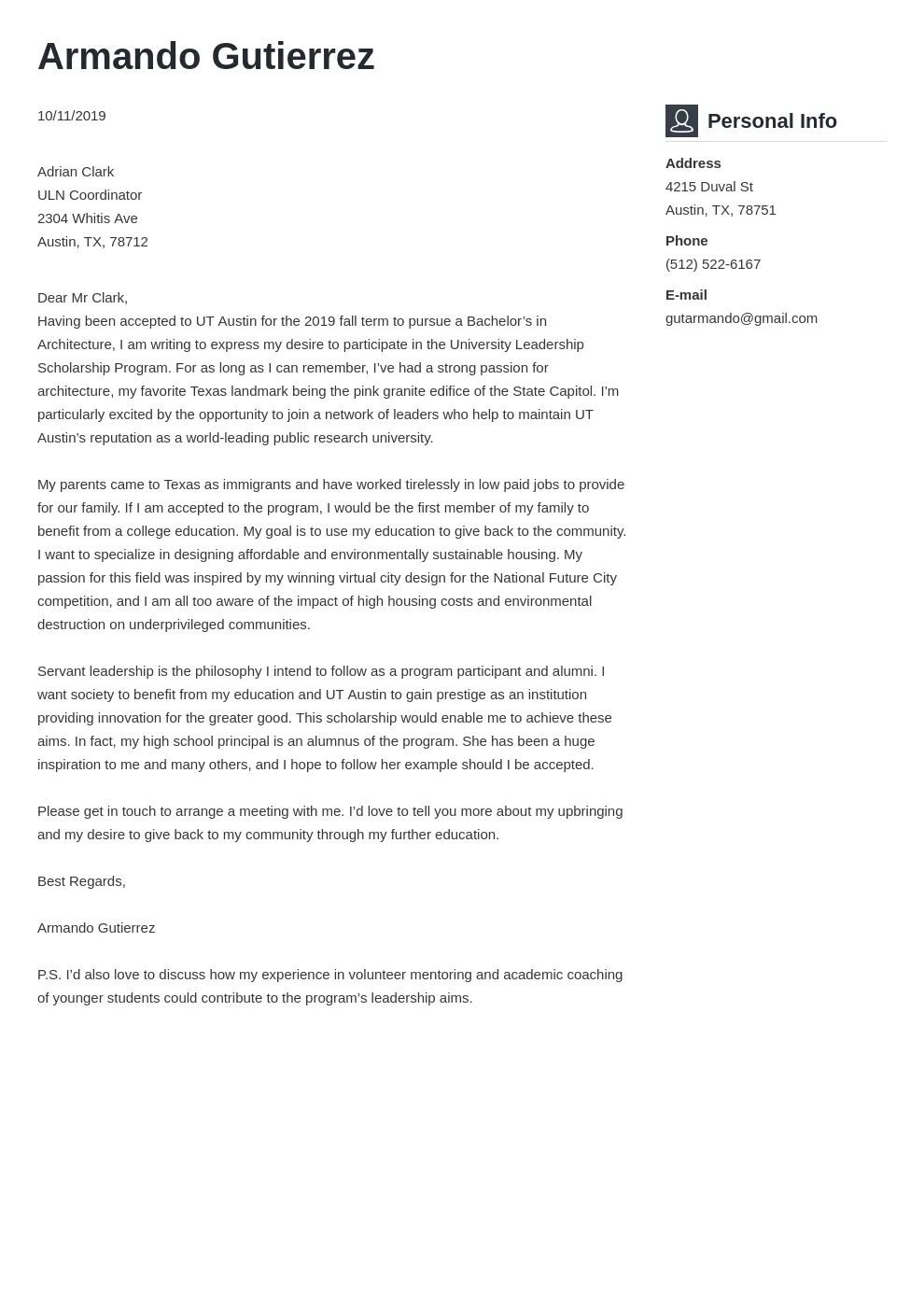
A college scholarship cover letter is a crucial document that accompanies your scholarship application. It serves as your introduction to the scholarship committee, providing them with a glimpse into your personality, aspirations, and qualifications. It’s not just a formality; it’s an opportunity to make a strong first impression and persuade the committee why you deserve the scholarship. This letter complements your application, offering a more personal touch and context to your achievements and goals. A well-crafted cover letter can significantly increase your chances of being selected for a scholarship, setting you apart from other applicants. It is a chance to showcase what the application form does not reveal about you, highlighting your unique qualities and experiences. Crafting a good letter needs some attention.
Purpose of a Cover Letter
The primary purpose of a scholarship cover letter is to introduce yourself and your application to the scholarship committee. It aims to highlight your suitability for the scholarship by emphasizing your relevant skills, experiences, and goals. The cover letter should clearly and concisely explain why you are a deserving candidate and why the scholarship aligns with your academic and career aspirations. It offers a platform to express your enthusiasm for the scholarship and the opportunities it provides. The cover letter should be persuasive, convincing the committee that you are not just qualified but also passionate about your field of study and committed to making a positive impact. It humanizes your application, creating a connection between you and the reviewers.
Key Components of a Cover Letter

A strong scholarship cover letter comprises several key components, each playing a vital role in its overall effectiveness. These include a well-structured header with your contact information, a formal and appropriate salutation, and compelling body paragraphs that highlight your achievements, goals, and financial need (if applicable). Additionally, a cover letter must conclude with a professional closing and signature. Each component should be thoughtfully crafted to create a cohesive and persuasive narrative. It’s critical that all components work together, showcasing your qualifications and enthusiasm for the scholarship. A well-structured letter is a sign of professionalism and attention to detail, both qualities that scholarship committees value. Use simple words, but a professional tone to show that you understand the process.
Formatting Your Scholarship Cover Letter
Formatting your scholarship cover letter correctly is crucial for making a positive first impression and ensuring readability. A well-formatted letter is easy to navigate and presents you as organized and professional. Following standard formatting guidelines shows attention to detail, which is a desirable trait. Ensure your formatting is consistent throughout the document. Correct formatting enhances the overall impact of your letter.
Header and Contact Information
The header of your scholarship cover letter should include your full name, address, phone number, and email address. This information should be clearly presented, often in the top left corner of the document. Ensure that the contact information is accurate and up-to-date, so the committee can easily reach you. You may also include the date of the letter. The header sets the tone for the entire letter and provides the committee with the necessary information to contact you. Use a clean, professional font for the header.
Salutation

The salutation is your formal greeting to the scholarship committee. If possible, address the letter to a specific person (e.g., “Dear Mr. Smith”). This personalizes the letter and shows you’ve done your research. If a specific name isn’t available, a general greeting like “Dear Scholarship Committee” is acceptable. Avoid informal greetings like “Hello” or “Hi.” Your salutation should be courteous and professional, setting the tone for the rest of your letter. Using the correct title and spelling the recipient’s name correctly demonstrates respect and attention to detail. Make sure to match the format of your scholarship application to the format of your letter.
Body Paragraphs
The body paragraphs are the core of your scholarship cover letter. Here, you’ll explain why you are a strong candidate and why you deserve the scholarship. The body typically consists of three to four paragraphs, each addressing a specific aspect of your qualifications and aspirations. Organize your thoughts logically, moving from general introductions to specific examples and details. These paragraphs should be clear, concise, and compelling, convincing the committee of your suitability for the scholarship.
First Paragraph
In the first paragraph, state the purpose of your letter – to apply for the scholarship. Mention the specific scholarship name, and briefly introduce yourself. Provide a concise overview of your academic background and current status. Show your enthusiasm and make it clear why you’re applying. This paragraph should grab the reader’s attention and set the stage for the rest of your letter. Clearly state that you want to apply for a specific scholarship, showing attention to detail and following instructions. Keep it short and direct, and set the tone of your application.
Second Paragraph

The second paragraph is where you highlight your achievements and qualifications. Focus on the aspects most relevant to the scholarship criteria. Mention academic accomplishments, extracurricular activities, leadership roles, and any relevant work experience. Provide specific examples to illustrate your skills and qualities. Quantify your achievements whenever possible (e.g., “achieved a GPA of 3.8,” “led a team of 10 students”). This paragraph is critical to showing that you meet the scholarship requirements and excel in areas important to the scholarship providers. Use strong action verbs and show how your achievements align with the scholarship’s goals.
Third Paragraph
The third paragraph should focus on your goals and how the scholarship will help you achieve them. Explain your academic and career aspirations. Describe how the scholarship will support your education, and any financial need, helping you reach your goals. Show how you plan to contribute to your field of study or community. Demonstrate that you have a clear vision for your future. Showing a direct link between the scholarship and your future plans makes a compelling case for your application. Be specific about how you will use the scholarship to achieve your goals, whether it is tuition or materials.
Closing and Signature
The closing paragraph summarizes your key points and expresses gratitude. Reiterate your interest in the scholarship and reiterate your suitability. Thank the scholarship committee for their time and consideration. Use a professional closing, such as “Sincerely” or “Respectfully.” Below your closing, leave space for your handwritten signature, followed by your typed name. The closing paragraph should be sincere, and the signature should be easily readable. Always ensure you are respectful, and leave a positive impression.
Content of Your Scholarship Cover Letter

The content of your scholarship cover letter should be carefully crafted to showcase your strengths and qualifications. The most critical aspects to cover include your achievements, demonstrated financial need (if applicable), and your goals for the future. The content should be tailored to the specific scholarship you are applying for. You must customize your letter for each scholarship application. Use specific details and examples to support your claims. Remember to always proofread the letter to maintain a professional tone.
Highlighting Your Achievements
Highlighting your achievements is essential in making your application stand out. Focus on academic excellence, extracurricular involvement, and leadership experiences. Provide concrete examples of your accomplishments, using quantifiable data whenever possible. Discuss how your achievements align with the scholarship’s criteria. The achievements should demonstrate your skills, dedication, and potential. Make a list and order them from most to least important. The stronger and more relevant the achievements are, the better your chances of getting the scholarship. Make sure to format each achievement so that it is easy to read.
Academic Excellence
Showcase your academic excellence by highlighting your GPA, relevant coursework, and any academic awards or honors you’ve received. Mention any specific projects or research experiences that demonstrate your knowledge and skills. If you have struggled and overcome any academic challenges, briefly explain these and how you have shown resilience. Include any relevant details that demonstrate your dedication to learning and academic success. Ensure that you mention any achievements that would show your capabilities to your scholarship providers. Any honors or awards would be good to mention.
Extracurricular Activities

Discuss your involvement in extracurricular activities, such as clubs, sports, volunteer work, or community service. Explain your roles and responsibilities, and how you contributed to each activity. Highlight skills such as teamwork, communication, or leadership. If you have any awards or recognition for extracurricular involvement, be sure to mention these. The more you explain your involvement the better. Focus on the significance of each activity, and how it has shaped you.
Leadership Experience
Describe any leadership roles you have held in school, community, or work settings. Provide examples of how you have led teams, managed projects, or inspired others. Demonstrate your ability to take initiative and make a positive impact. Share any outcomes or achievements that resulted from your leadership. Explain how your leadership experience has prepared you for future success. Show what you are capable of achieving by leading a team. Do not be afraid to mention your strengths, such as planning, communication, and organization.
Demonstrating Financial Need
If the scholarship considers financial need, provide a concise and honest explanation of your financial situation. Explain any circumstances that make it difficult for you to finance your education, such as family income, cost of living or other financial burdens. You do not need to go into excessive detail, but give sufficient context to show why you need the scholarship. Be clear and straightforward in your explanation. Ensure that you are honest and transparent about your financial situation, and how the scholarship will help you. This may be essential for your application to go through.
Explaining Your Goals

Clearly articulate your academic and career goals. Explain what you intend to study and what you hope to achieve after graduation. Describe how the scholarship will support your goals. The more specific you are, the more compelling your letter will be. Demonstrate your long-term vision for yourself and your commitment to your field of study. Explain how you plan to use your education to make a difference, whether it’s in your community, or in your chosen profession. Be sure to express how the scholarship will enable you to achieve these goals, whether it is by paying for your education or providing you with financial freedom.
Proofreading and Editing Your Cover Letter
Proofreading and editing your scholarship cover letter is critical to ensuring that your letter is polished and professional. A cover letter with errors is a sign of carelessness. Thoroughly review your letter for any grammatical errors, spelling mistakes, and formatting inconsistencies. Correct any mistakes and ensure your writing is clear, concise, and easy to read. Proofreading shows the committee that you care about your application and that you are detail-oriented. Taking the time to polish your writing can significantly improve the impact of your letter.
Checking for Grammatical Errors
Carefully check your cover letter for grammatical errors, such as subject-verb disagreements, incorrect punctuation, and misused words. Use a grammar checker tool to help identify any potential mistakes. However, don’t rely solely on these tools. Read your letter aloud to catch any errors you might miss when reading silently. Ensure your sentences are grammatically correct and that your writing flows smoothly. Correcting grammatical errors ensures that your letter presents you as a careful and thoughtful writer.
Ensuring Clarity and Conciseness
Ensure that your writing is clear, concise, and easy to understand. Avoid using jargon or overly complex language. Get straight to the point and communicate your ideas effectively. Revise any sentences that are too long or wordy. Eliminate any unnecessary information that doesn’t directly support your points. A clear, concise letter shows that you can communicate effectively and that you respect the committee’s time. Always remember to write in a direct manner, and get to the point quickly. The easier it is to read your letter, the better.
Seeking Feedback
Ask a trusted friend, family member, or teacher to review your cover letter. They can provide an objective perspective on your writing and identify any areas that need improvement. Ask for feedback on clarity, grammar, and overall effectiveness. Be open to their suggestions and willing to revise your letter based on their input. Getting a second opinion helps ensure that your letter is the best it can be. A fresh pair of eyes can catch errors you might have missed, and give you ideas. Always follow the advice.
Examples of Scholarship Cover Letters
Reviewing examples of successful scholarship cover letters can provide valuable insights into the structure, content, and tone of a winning application. Analyze how other applicants have presented their qualifications, achievements, and goals. Pay attention to the language they used and the overall impact of their letters. Examples can help you understand what makes a cover letter effective. Use examples as a guide, but make sure your letter is unique.
Example 1
This example showcases a student who is applying for a merit-based scholarship. The letter highlights academic achievements, such as a high GPA, relevant coursework, and academic awards. It also mentions involvement in extracurricular activities and demonstrates leadership skills. The letter clearly states how the scholarship will help the student continue to excel academically and pursue their career goals. The example should show all these things in a short manner.
Example 2
This example showcases a student applying for a need-based scholarship. The letter provides a clear explanation of the student’s financial situation and why the scholarship is essential to their education. It emphasizes the student’s dedication and goals. The letter also explains the challenges and how they are working to overcome them. The example is intended to demonstrate the student’s resilience, and show the importance of the scholarship.
Tips for a Winning Cover Letter
To increase your chances of success, consider these tips. Tailor your letter to each scholarship, show don’t tell, and express your enthusiasm. Following these tips will help you write a compelling cover letter. These will show the committee why you are a good applicant. It is important to follow the guidelines for each scholarship, to give yourself the best chance of getting accepted. Following all of these tips will give you the best chance.
Tailoring Your Letter
Customize your cover letter for each scholarship. Read the scholarship guidelines carefully. Identify the specific criteria and requirements. Highlight the achievements, skills, and experiences that align with the scholarship’s goals. Demonstrate that you understand the scholarship’s values and the qualities they are looking for in an applicant. Tailoring your letter shows you’ve done your research and that you are genuinely interested in the scholarship. Take the time to understand the scholarship, and what it is looking for.
Show, Don’t Tell
Instead of simply stating your qualities, such as being a leader, provide specific examples that demonstrate those qualities. Describe the activities, projects, or situations that showcase your skills and experiences. Use vivid language to bring your experiences to life. Show, don’t tell, creates a more compelling and memorable impression. This will show that you know what you are doing, and that you are the right candidate.
Expressing Enthusiasm
Express your genuine enthusiasm for the scholarship and the opportunities it provides. Show how the scholarship aligns with your goals and aspirations. Convey your passion for your field of study and your commitment to making a positive impact. Enthusiasm is infectious. It can make the scholarship committee more likely to support your application. Make the committee feel like you want to succeed.