What is a Retail Cover Letter?
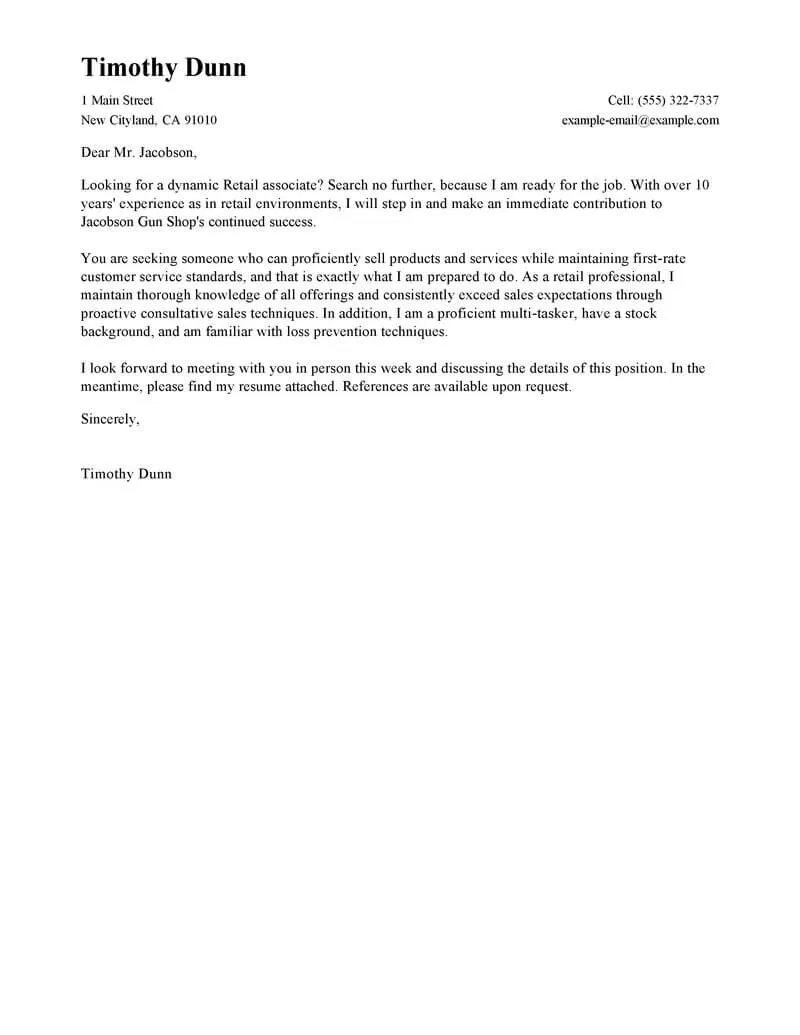
A retail cover letter is a crucial document accompanying your resume when applying for a retail position. It serves as your introduction to the hiring manager, providing a personalized overview of your qualifications, experience, and enthusiasm for the role and the company. Unlike a resume, which is a concise summary of your skills and experience, a cover letter allows you to expand on specific achievements, demonstrate your personality, and explain why you are a perfect fit for the job. Think of it as your opportunity to make a strong first impression and persuade the hiring manager to read your resume and consider you for an interview. A well-crafted cover letter can significantly increase your chances of landing a retail job, showcasing your unique value proposition and setting you apart from other candidates.
Why is a Cover Letter Important in Retail?
In the competitive retail job market, a cover letter can be a game-changer. It offers a platform to go beyond the basic information presented in your resume, allowing you to highlight your specific skills, relevant experience, and personality traits that align with the requirements of the role and the values of the company. A cover letter shows you have taken the time and effort to understand the job and the company, demonstrating your genuine interest in the position. It gives you a chance to explain any gaps in your employment history, address any concerns the hiring manager might have, and showcase your communication skills. By using a cover letter, you can differentiate yourself from other applicants who may only submit a resume. A well-written cover letter demonstrates your professionalism, attention to detail, and genuine enthusiasm for the opportunity.
Key Components of a Winning Retail Cover Letter

Creating a winning retail cover letter involves several key components. Each section plays a vital role in conveying your qualifications and enthusiasm. Attention to detail and a tailored approach are critical to make a positive impression on the hiring manager. From the layout to the content, every aspect should be carefully considered to increase your chances of success in the job application process. A structured, professional, and personalized approach ensures that your letter captures attention and conveys your value proposition.
Your Contact Information
Start your cover letter with your contact information. Include your full name, phone number, email address, and optionally, your LinkedIn profile URL. This information should be clearly displayed at the top of the document, allowing the hiring manager to quickly and easily reach you. Make sure the contact information is accurate and up-to-date. Presenting accurate contact information is a basic professional requirement. It ensures that potential employers can contact you without any difficulty. A clean and professional presentation gives a positive first impression, indicating that you are organized and detail-oriented.
Hiring Manager’s Contact Information
Always address your cover letter to a specific person if possible. Research the hiring manager’s name and title and include it below your contact information. If you cannot find the hiring manager’s name, use a professional salutation like ‘Dear Hiring Manager.’ Addressing the letter to a specific person shows you have taken the initiative to learn about the company and its staff. This personal touch demonstrates attention to detail and a genuine interest in the role. If you are unable to find a specific name, double-check the job posting or the company’s website. Personalized letters significantly increase your chance of getting noticed.
Professional Salutation

Start your cover letter with a professional salutation, such as “Dear Mr./Ms./Mx. [Last Name]” or “Dear Hiring Manager,” if you don’t know the specific name. Avoid overly casual greetings. A professional salutation sets the tone for your cover letter and conveys respect for the recipient. Using the correct form of address shows that you are serious about the opportunity and respect the professionalism of the company. It is essential to maintain a professional tone throughout the entire document.
The Introduction: Grabbing Their Attention
The introduction is your chance to make a strong first impression. Briefly state the position you’re applying for, where you saw the job posting, and a captivating statement that grabs the reader’s attention. You might mention your enthusiasm for the brand, a relevant skill, or a brief anecdote that highlights your retail experience. The introduction should immediately showcase your interest in the role and the company and sets the tone for the rest of the letter. Avoid generic opening statements; aim for something unique that makes you stand out. The goal is to make the hiring manager want to read the rest of your letter.
Highlighting Your Skills and Experience
This is the core of your cover letter, where you highlight your skills and experience relevant to the retail position. Focus on the skills and experience the employer has outlined in the job description. Match your skills and experiences to the requirements listed by the employer. Provide concrete examples and achievements to support your claims. This section should demonstrate your ability to perform the job and contribute to the company’s success. Be specific and provide context, showing the hiring manager exactly what you bring to the table. The goal is to demonstrate your potential value and suitability for the role.
Showcasing Relevant Retail Experience
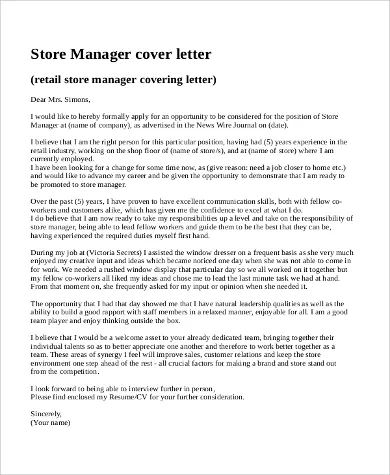
Detail your previous retail experience, focusing on roles and responsibilities that align with the job requirements. Highlight your achievements, such as exceeding sales targets, providing excellent customer service, or efficiently managing store operations. Include the name of the store or company, your job title, and the duration of your employment. Tailor this section to match the specific job you’re applying for. If the job description emphasizes customer service, focus on your customer service accomplishments. This section should demonstrate your prior success in retail, showing the hiring manager that you are a capable candidate.
Quantifying Achievements
Whenever possible, quantify your achievements with numbers and data. Instead of saying ‘Increased sales,’ say ‘Increased sales by 15% within six months.’ Use metrics to demonstrate your impact on previous employers. This can include sales figures, customer satisfaction scores, the number of customers served, or any other quantifiable results. Quantifying your achievements provides tangible evidence of your skills and capabilities, making your application more compelling. It shows the hiring manager that you not only have experience but have also achieved results. Data-driven achievements showcase your value to the employer.
Demonstrating Soft Skills
Retail positions require strong soft skills, such as communication, teamwork, problem-solving, and customer service. Provide examples of how you have demonstrated these skills in previous roles. Describe situations where you successfully resolved a customer issue, collaborated with colleagues to achieve a goal, or managed a difficult situation. Use the STAR method (Situation, Task, Action, Result) to structure your examples and provide clarity. Demonstrating soft skills is crucial for retail jobs as they involve constant interaction with customers and colleagues. Focusing on your soft skills, and the ways you’ve applied them, shows the hiring manager you are a well-rounded candidate.
Expressing Enthusiasm for the Company

Show genuine enthusiasm for the company and the role. Explain why you are interested in working there and how your values align with the company’s mission. Highlight what excites you about the opportunity and how you see yourself contributing to the team. Demonstrating your interest will help the hiring manager understand why you’re a good fit for the company. Your enthusiasm shows you’ve put thought and effort into your application. This section helps you to stand out from other applicants and positions you as someone truly interested in the job.
Researching the Company
Before writing your cover letter, thoroughly research the company. Visit their website, read about their mission and values, and learn about their products or services. Understand the company’s culture and what they are looking for in an employee. Mention specific aspects of the company that appeal to you, such as their commitment to sustainability, their customer service approach, or their community involvement. Researching the company allows you to personalize your cover letter and demonstrate your genuine interest in working there. Showing that you have done your homework is impressive to potential employers.
Tailoring Your Letter
Customize your cover letter for each job application. Don’t use a generic template. Review the job description carefully and tailor your letter to match the specific requirements and keywords. Highlight the skills and experiences that are most relevant to the position. Demonstrating that you have carefully read the job description and addressed its specific requirements shows the hiring manager that you are attentive and serious about the opportunity. Tailoring your letter increases your chances of being noticed, highlighting your understanding of the role.
The Call to Action and Closing

Conclude your cover letter with a strong call to action and a professional closing. Reiterate your interest in the position and express your eagerness to discuss your qualifications further. Thank the hiring manager for their time and consideration. The call to action should encourage the hiring manager to take the next step, such as reviewing your resume or contacting you for an interview. End your letter on a positive note, demonstrating your enthusiasm and making it easy for the hiring manager to follow up. Your closing should be polite, professional, and leave a lasting impression.
Formal Closing and Signature
Use a formal closing, such as ‘Sincerely,’ ‘Best regards,’ or ‘Thank you.’ Type your full name beneath the closing. If you are submitting a printed cover letter, leave space for your handwritten signature above your typed name. The formal closing and signature add a professional touch to your cover letter. They show respect for the recipient and complete the document in a professional manner. A clean and professional finish shows you have paid attention to detail.
Proofreading and Editing
Before submitting your cover letter, carefully proofread and edit it for any errors in grammar, spelling, and punctuation. Use a spell checker, but also read the letter aloud to catch any mistakes the spell checker might miss. Ask a friend or family member to review your letter for a second opinion. Proofreading is a crucial step to ensure your professionalism. Typos and grammatical errors can undermine your credibility and make a bad first impression. By carefully reviewing your letter, you demonstrate your attention to detail. A polished and error-free cover letter shows that you care about the quality of your work.
In conclusion, a well-crafted retail cover letter is a powerful tool in your job search arsenal. By following these guidelines and tailoring your letter to each specific opportunity, you can significantly increase your chances of landing an interview and ultimately, securing your dream retail job. Remember to highlight your skills, showcase your achievements, and express your genuine enthusiasm for the company. A strong cover letter is an investment that can yield substantial returns in your career.