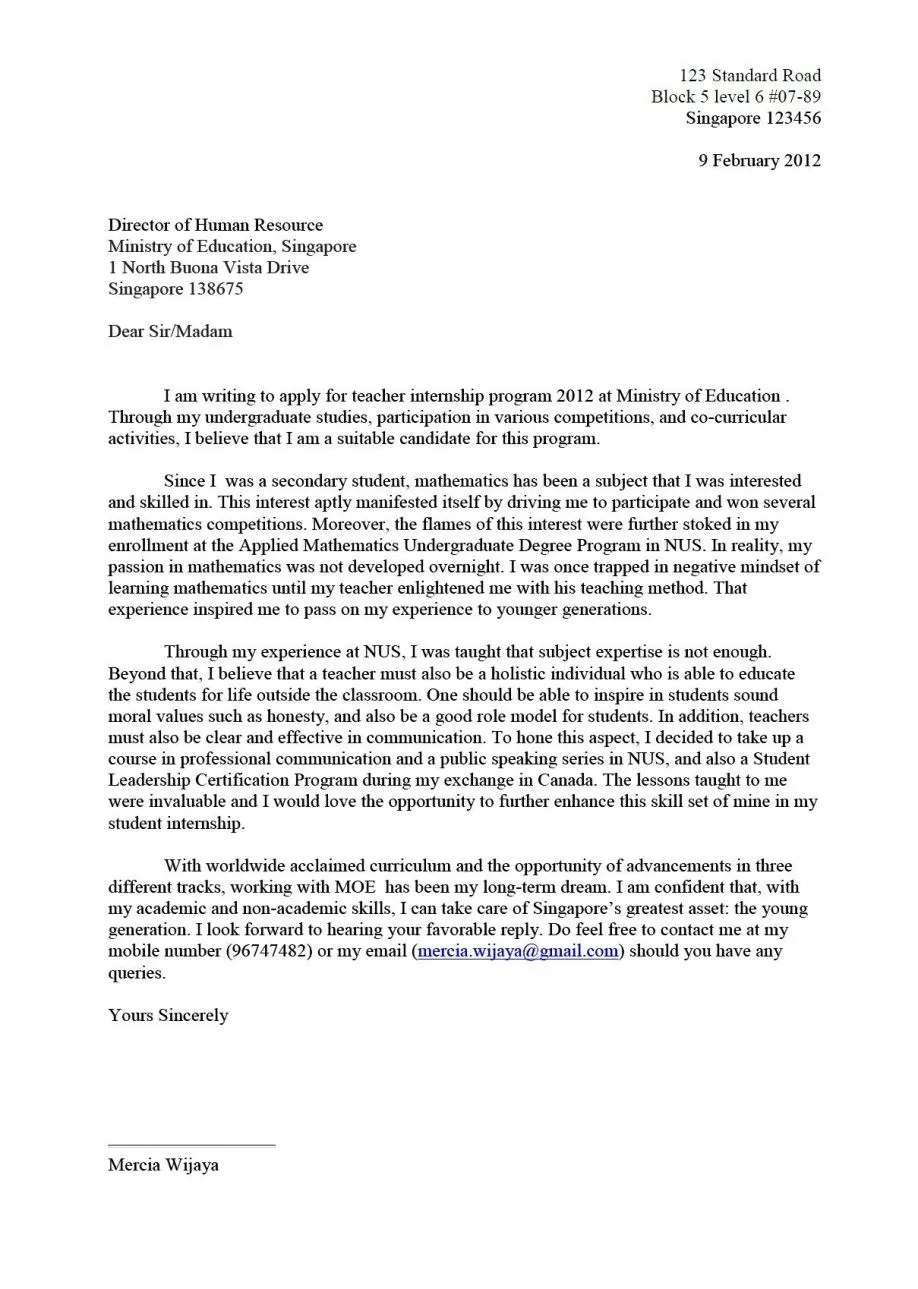
The Power of Your Resume Cover Letter Salutation
The salutation of your resume cover letter is often the first impression you make on a potential employer. It sets the tone for the entire document and can significantly influence how the reader perceives you. A well-crafted salutation demonstrates attention to detail, professionalism, and a genuine interest in the opportunity. Conversely, a poorly chosen salutation can immediately disqualify you, signaling a lack of care or a generic approach to the application process. This initial greeting is more than just a formality; it’s a critical element in showcasing your communication skills and making a positive impact.
Why the Salutation Matters
The salutation’s importance extends beyond a mere greeting. It establishes a connection with the recipient and demonstrates that you’ve taken the time to personalize your application. In a sea of generic applications, a tailored salutation helps you stand out. It shows that you’re not just sending out mass emails but are genuinely interested in the specific role and the company. This small detail speaks volumes about your dedication and professionalism.
First Impressions and Professionalism

First impressions are lasting, and your salutation is the cornerstone of that initial encounter. A professional salutation, such as ‘Dear Mr./Ms. [Last Name]’ (if you know the name), immediately conveys respect and attention to detail. It signals that you understand the importance of formality and the norms of professional communication. This can set a positive tone, making the hiring manager more receptive to your application and increasing the likelihood that they will read the rest of your letter with a favorable mindset. Failing to adhere to these basic etiquette standards can create a negative impression.
When done right, the salutation can create a positive first impression. (cover-letter-salutation-image1.webp)
The Significance of the Recipient
Knowing who you are addressing is crucial. If the job posting specifies a contact person, make every effort to find their name and use it in your salutation. This shows that you are meticulous and that you paid attention to the details of the job posting. Addressing the letter to the hiring manager by name personalizes your application and shows that you’ve done your research. If the name is not provided, use other professional alternatives, but avoid generic greetings that may suggest you are not putting in the effort to tailor your application to a specific position. Failing to know the recipient can undermine your efforts.
Addressing your letter to the right person can be the most impactful. (cover-letter-salutation-image2.webp)
Top 5 Powerful Salutations
Dear [Name]

This is the most personal and preferred salutation. It shows that you’ve researched the hiring manager’s name and demonstrates a level of respect. Always use the person’s title (Mr., Ms., Dr., etc.) if known. Using the name correctly is crucial; misspellings or incorrect titles can have a negative impact. When possible, always aim to address the letter to an individual, because this establishes a connection from the very beginning. A personal salutation creates a stronger initial impression, so it’s worth the effort to find the correct information.
How to Find the Hiring Manager’s Name
Check the job posting carefully; the name may be included. If not, look on the company website, check LinkedIn, or search for press releases. Even a quick phone call to the company can sometimes yield this information. Making the effort to find the name demonstrates initiative. When searching online, use keywords such as ‘[Company Name] hiring manager’ or ‘[Job Title] contact.’ The extra step shows the hiring manager your attention to detail. This dedication to personalization can give you an edge over applicants who opt for a generic greeting.
Using online resources is a great way to find your hiring manager. (cover-letter-salutation-image3.webp)
Tips for Addressing Someone You Don’t Know
If you are unsure of the gender of the hiring manager, it is better to use a gender-neutral title (e.g., ‘Dear [First Name] [Last Name]’ or, if you are not sure of the name, move on to the next salutation). Always double-check the spelling of the name and the accuracy of the title. Professionalism is key in all interactions. Before sending, ensure the salutation is accurate and appropriate.
Dear Hiring Manager

This is a safe and widely accepted option when you cannot find the hiring manager’s name. It is more professional than a generic greeting like ‘To Whom It May Concern.’ It shows that you are addressing the letter to someone directly involved in the hiring process. If possible, try to personalize it slightly. For example, if the job posting indicates the department, you could say ‘Dear Hiring Manager, [Department Name]’ to show that you are paying attention to specifics. While it is the second-best option, it’s better than taking a shot in the dark.
When to Use This Salutation
Use this salutation when the hiring manager’s name is not available in the job posting or online, or when you are unable to locate a name after reasonable research. This ensures the letter is addressed to someone in charge of the hiring process. While not as personalized as knowing the name, it’s a clear and direct way to address the letter. This option communicates your respect for the hiring team. It offers a good balance between professionalism and practicality.
Alternatives to ‘Dear Hiring Manager’
If the job posting lists a specific role, you can use ‘Dear [Job Title],’ but only if it feels right. If the job ad mentions a recruitment team, it is also acceptable to greet them by name. You can personalize it based on the information at your disposal. The important thing is to have a professional greeting at the beginning of the letter.
Dear [Job Title]

This option is appropriate when you know the specific role of the person reviewing applications. It is a more specific alternative than ‘Dear Hiring Manager.’ However, make sure the job title is correct. This is a good option when you want to be precise in your greeting, ensuring you are reaching the right person. This method can be more effective if the company is large, making it more likely the application will be routed to the correct individual.
Pros and Cons of This Approach
Pros include being specific and professional if the job title is readily available in the job posting. Cons include potentially being too generic if the job title is not a standard one. However, if the role is clear, this salutation is a good option. In the absence of a name, it can be better than a generic salutation. It is important to take advantage of the information available in the job posting to better address the recipient.
Tailoring Your Salutation
When using this salutation, tailor it to the job posting. Ensure that the job title is an exact match to the one listed in the advertisement. If the job posting includes the department name, you can include this for an added touch, such as ‘Dear [Job Title], [Department Name].’ Personalization shows you have given careful consideration. It can set a positive tone for the rest of your application.
To Whom It May Concern

This salutation should generally be avoided. It’s impersonal and suggests you haven’t made an effort to identify the hiring manager. While it is still acceptable in some very formal settings, it conveys a lack of effort. The goal of your cover letter is to showcase your interest and attention to detail, and this salutation undermines those efforts. It is often perceived as generic, which can work against you.
When to Use This Salutation
In very specific situations, it might be acceptable, like when applying for a government job or a position at a very large corporation. However, it is always preferable to find a more specific greeting. When the hiring process is anonymous or when you are unsure, this salutation is safe. However, it should always be the last resort, and you should try to find out who will be reading your letter.
Drawbacks of This Salutation
The main drawback is that it is impersonal. It can give the impression that you have not put in the necessary effort. Recruiters can be very picky about these details. This salutation does not create any positive impact, because it provides no evidence of any research. It is a generic greeting. It does not enhance your chances of getting an interview. Always prioritize finding the name, job title, or the company team to enhance your impression.
Hello, [Company Name] Team

This can work well for more modern or creative companies. This salutation is a bit less formal. It suggests that you understand their culture. However, it is important to research the company to ensure this greeting aligns with its values. If the company culture is more casual and collaborative, this can be a good way to establish rapport. Be careful to select the right tone.
Ensure your company research is up to date. (cover-letter-salutation-image4.webp)
Understanding Company Culture
Researching the company’s culture is essential. Check their website, social media profiles, and any news articles about the company. If the tone is more relaxed and team-oriented, then this salutation might be a good fit. If the company values formality, it’s safer to go with ‘Dear Hiring Manager’ or ‘Dear [Name]’. Pay attention to the style of their communications, and then tailor your salutation accordingly. Research the company’s brand to choose the right salutation.
When This Salutation Works Best
This salutation can be very effective if the company culture is informal, collaborative, and team-focused. It is a friendly, yet professional way to show that you are aware of the company’s values. You can also use this salutation if the job description emphasizes teamwork. If you are applying for a role in a creative industry, this may work too. This greeting conveys a sense of camaraderie and enthusiasm.
Best Practices for a Winning Salutation

Researching the Company and the Role
Before writing your cover letter, thoroughly research the company and the specific role. This will help you tailor your salutation. Review the job posting to see if a contact person is listed. Visit the company website, LinkedIn, and other online resources to find information about the company’s culture and values. Showing that you have taken the time to do your research sets you apart from other applicants. Then, you will be able to write a salutation that is appropriate for the opportunity.
Thorough research of the company is key. (cover-letter-salutation-image5.webp)
Personalizing Your Salutation
Personalize your salutation as much as possible. If you know the hiring manager’s name, use it. Even if you don’t, tailor the salutation to the company. If you do not know the hiring manager’s name, opt for “Dear Hiring Manager.” Avoid generic greetings. Doing so will make your application stand out. Demonstrating that you have paid attention to detail is crucial for success. This shows that you are not simply sending out a mass email.
Personalization is key to a successful cover letter. (cover-letter-salutation-image6.webp)
Proofreading and Attention to Detail
Always proofread your cover letter, especially the salutation. Check the spelling of the hiring manager’s name, the company name, and the job title. Errors in the salutation demonstrate a lack of attention to detail. It undermines your credibility. Careful proofreading is vital. Any mistake can result in your resume being rejected. Double-check everything before submitting your application. A small error in the salutation is enough to create a bad impression.
Carefully proofread all information and all details in your cover letter. (cover-letter-salutation-image7.webp)
Make your first impression count. (cover-letter-salutation-image8.webp)
Conclusion
The salutation of your resume cover letter is the first point of contact, and choosing the right one is essential. By following these guidelines, you can create a strong first impression and increase your chances of getting noticed. Always personalize your greeting to the recipient, demonstrating your attention to detail. By applying these strategies, you can effectively use this introductory element to significantly enhance the overall impact of your application. Take the time to choose the perfect salutation, and it will pay off.