Why a Cover Letter Matters
A well-crafted resume cover letter is your first impression, a crucial opportunity to showcase your personality, skills, and enthusiasm for a specific job. While your resume provides a summary of your experience, a cover letter allows you to tell a story, connecting your qualifications to the employer’s needs and demonstrating why you’re the perfect fit. It’s your chance to expand on your accomplishments, highlight relevant skills, and express your interest in the position. Without a compelling cover letter, your resume might not even get a second glance, so it’s essential to make it count. Consider it as a crucial part of your application package, giving you an edge over other applicants.
Highlighting Your Skills
Focus on the skills that align with the job description. This involves carefully reviewing the job posting and identifying the key requirements. Then, choose skills from your repertoire that directly address those requirements. Don’t just list your skills; provide concrete examples of how you’ve used them to achieve results. This approach shows the employer that you’re not just claiming to have certain skills, but you’ve actually demonstrated them in real-world situations. For example, instead of stating ‘Proficient in project management,’ you could write ‘Successfully managed three cross-functional projects, delivering them on time and within budget.’ This provides the employer with valuable evidence of your abilities.
Tailoring Your Letter

Generic cover letters are easily spotted and often discarded. Tailoring your cover letter to each specific job is critical. Start by researching the company and the specific role. Understand their mission, values, and what they are looking for in a candidate. Then, customize your letter to directly address the needs of the employer. This shows you’ve taken the time to understand the company and are genuinely interested in the position. It should reflect your enthusiasm, highlighting how your skills and experience align with their requirements. This personalized approach significantly increases your chances of getting noticed and moving forward in the hiring process. Adapt your skills and achievements to the language of the job description, using keywords to demonstrate your understanding of their needs. Always mention the job title and where you found the job posting.
Formatting Your Cover Letter
The format of your cover letter is very important. A clean, professional layout makes your letter easy to read and shows attention to detail. Choose a standard font, such as Times New Roman, Arial, or Calibri, and keep the font size between 10 and 12 points. Use single spacing with a space between paragraphs. Always left-align your text and avoid any creative or unusual formatting. Use clear headings to break up the text and make it easy for the reader to find the information they need. Your cover letter should generally be one page long, so it’s important to be concise and focused. Use bullet points for key achievements or skills, but make sure to provide context. Finally, save your cover letter as a PDF file to ensure that the formatting remains consistent, regardless of the recipient’s software or device.
Essential Cover Letter Elements
A cover letter typically includes several key elements that work together to present a compelling case for your candidacy. These elements, when combined correctly, give you the best chance of making a positive impression on a hiring manager. Ensure to address each element with care and precision for maximum impact on the reader.
Contact Information

Start with your contact information at the top of the letter. Include your full name, phone number, email address, and optionally, your LinkedIn profile URL. This allows the hiring manager to quickly reach you. Make sure your email address is professional (e.g., firstname.lastname@email.com) and that your voicemail greeting is also professional. It’s important to keep this information updated and readily available. If you have a professional website or online portfolio, you can also include the link. Be certain your information is accurate to make it easy for the hiring manager to reach you for an interview.
Professional Salutation
Address the hiring manager by name if possible. Research the hiring manager’s name via LinkedIn or the company website. If you are unable to find the name, use a general salutation such as ‘Dear Hiring Manager’ or ‘Dear [Department Name] Team’. Avoid overly casual greetings like ‘Hi there’. Always maintain a professional tone throughout your cover letter to demonstrate respect and professionalism. Ensure the salutation matches the tone of the job and the company culture. If the company uses a more informal tone, you may adjust your salutation accordingly. Use the correct spelling and title (Mr., Ms., Dr., etc.) for the hiring manager’s name.
Compelling Introduction
The introduction is the first impression you make, so it must grab the reader’s attention. State the specific position you are applying for and where you found the job posting. Briefly mention your key skills or experiences that make you a great fit for the role. Express your enthusiasm for the opportunity and the company. Explain why you are interested in the position and what you hope to achieve. Make sure the introduction is concise and engaging, providing a clear and compelling reason for the reader to continue reading. Your goal is to immediately capture the hiring manager’s interest and make them want to learn more about you.
Body Paragraphs

The body paragraphs should showcase your qualifications and demonstrate how your skills and experience align with the job requirements. Use specific examples to support your claims, such as quantifiable achievements and describe the impact of your work. Tailor each paragraph to the job description, emphasizing the skills and experiences most relevant to the position. Your letter is a bridge between your resume and the job description, so highlight key accomplishments from previous roles. Structure your body paragraphs logically, so your points are easy to follow. Make sure to highlight the achievements that align with the job requirements to help the hiring manager understand the value you bring to the company.
Showcasing Achievements
Instead of simply listing your responsibilities, focus on your accomplishments. Use the STAR method (Situation, Task, Action, Result) to frame your achievements. The STAR method gives a clear picture of the context, your role, the actions you took, and the measurable results you achieved. Quantify your results whenever possible. For instance, instead of saying ‘Improved customer satisfaction,’ write ‘Increased customer satisfaction by 15% through implementing a new feedback system.’ This shows the value you can bring to a company and how you can contribute. Include specific examples that illustrate your skills and how you’ve applied them successfully in the past. Include a mix of hard and soft skills to create a complete picture of your professional capabilities.
Matching Skills to Job Requirements
Carefully analyze the job description and identify the key skills and qualifications the employer is looking for. Then, match your skills and experiences to these requirements. Use keywords from the job description naturally throughout your cover letter. Use specific examples to show how you have demonstrated these skills in the past. By directly addressing the employer’s needs, you demonstrate that you understand the role and are a strong fit. Focus on the skills and experiences that directly align with the requirements outlined in the job posting. Show, don’t tell, how you possess the desired qualities by providing concrete examples of your achievements and contributions.
Writing a Strong Conclusion

In your conclusion, reiterate your interest in the position and the company. Express your enthusiasm for the opportunity and summarize your key qualifications. Thank the hiring manager for their time and consideration. Include a call to action, such as ‘I look forward to the opportunity to discuss my qualifications further’ or ‘I am eager to learn more about this role.’ Be sure to mention your availability for an interview. Keep your conclusion brief, professional, and memorable. End on a positive note, leaving a lasting impression that encourages the hiring manager to contact you.
Proofreading and Editing
Before you submit your cover letter, proofread it carefully to ensure it is free of errors. Spelling and grammar mistakes can undermine your credibility. Check for typos, grammatical errors, and inconsistencies in formatting. It’s also a good idea to have a second pair of eyes review your letter. Ask a friend, family member, or career counselor to read it over for you. This can help you catch any errors you might have missed. Make sure the tone and language are appropriate for the job and the company. Ensure that the formatting is consistent and easy to read. A polished cover letter is more likely to impress a hiring manager and significantly increase your chances of getting an interview.
Keywords and SEO
Optimize your cover letter with relevant keywords to increase your chances of getting noticed by Applicant Tracking Systems (ATS). Include keywords from the job description throughout your letter. This helps ensure that your application is properly screened. Research industry-specific keywords and incorporate them where appropriate. However, avoid keyword stuffing, as this can make your cover letter sound unnatural. Maintain a natural flow while incorporating important keywords. Place keywords strategically in your introduction, body paragraphs, and conclusion. Using the right keywords ensures your application gets noticed by both the system and the hiring manager.
Optimize for Applicant Tracking Systems (ATS)

Many companies use Applicant Tracking Systems (ATS) to scan resumes and cover letters. To increase your chances of passing an ATS, use a clear and simple format. Use a standard font like Arial or Times New Roman and avoid fancy formatting. Use keywords from the job description naturally throughout your cover letter. Avoid using tables, graphics, or complex formatting that might confuse the system. Save your cover letter as a PDF, if the application allows it. If not, submit in the required format. By following these guidelines, you can maximize the chances that your cover letter gets read by a human.
Cover Letter Examples
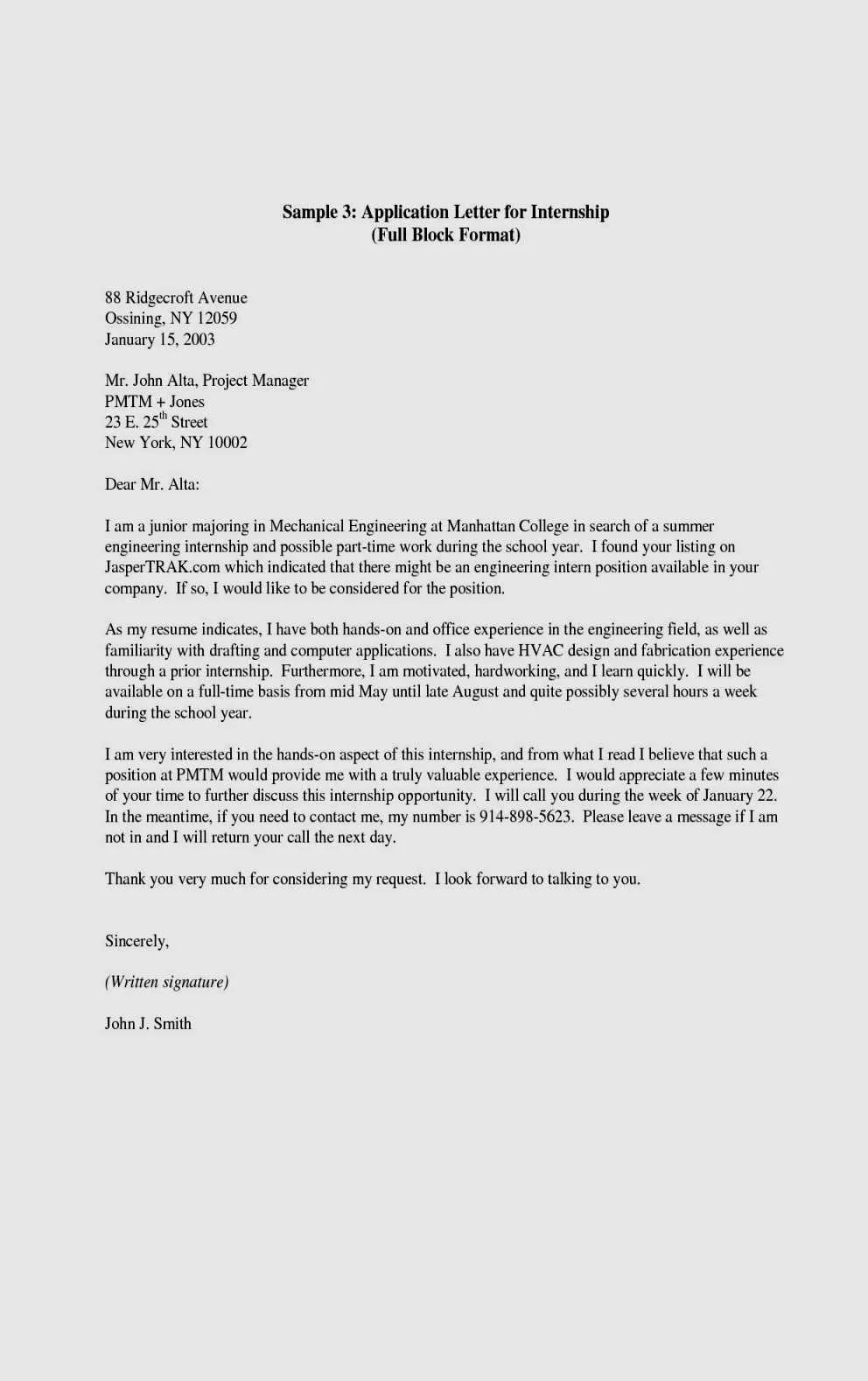
Reviewing cover letter examples can provide valuable guidance. Look at successful cover letters for similar roles and industries. These examples can help you understand how to structure your letter, highlight your skills, and tailor your content. Pay attention to the language used, the tone, and the overall format. Customize these examples to reflect your unique skills and experiences. Be mindful of the context, tailoring examples to suit your specific circumstances. Remember to always create an original cover letter, personalizing it to reflect your individual abilities and style.