Understanding the Resume Cover Letter
A resume cover letter is more than just a formality it’s your first introduction to a potential employer and your chance to make a strong, positive impression. It is a concise document that accompanies your resume, offering a personalized glimpse into your qualifications, skills, and enthusiasm for a specific job. This guide will walk you through the essential elements of crafting a compelling cover letter that significantly increases your chances of landing an interview and ultimately, securing your dream job. Understanding the nuances of a well-written cover letter is key to standing out in a competitive job market. Let’s dive into what makes a cover letter effective and how you can create one that gets results.
What is a Cover Letter
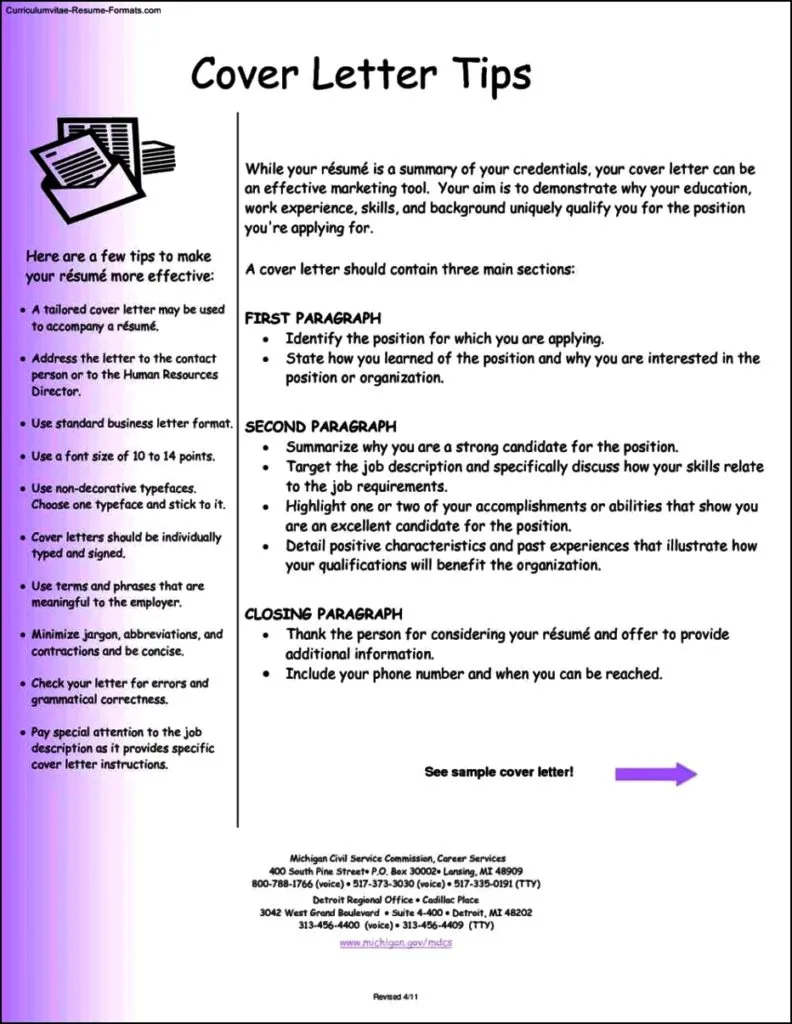
A cover letter is a formal business document that introduces your resume to a hiring manager. It’s a tailored document, specifically crafted for the job you are applying for, highlighting your most relevant skills and experiences. Unlike a resume, which is a factual summary of your work history, a cover letter is an opportunity to tell your story, to connect your skills to the specific job requirements, and to express your genuine interest in the company and the role. It’s a sample of your written communication skills, a critical element that can significantly influence the first impression you make on a recruiter. This allows you to connect the dots for the hiring manager, illustrating how your qualifications align with their needs and why you are the perfect fit.
Why is a Cover Letter Important

The importance of a cover letter cannot be overstated. It serves multiple crucial functions. Firstly, it provides context for your resume. It allows you to explain gaps in your employment history, career changes, or any other unique circumstances that might need clarification. Secondly, it demonstrates your communication skills and attention to detail. A well-written cover letter showcases your ability to articulate your thoughts clearly and concisely. Thirdly, it reflects your genuine interest in the position and the company. A generic resume can be easily identified, while a customized cover letter proves that you have taken the time to understand the role and are enthusiastic about it. Finally, it increases your chances of getting noticed. In a pile of applications, a compelling cover letter can make you stand out and prompt the hiring manager to delve deeper into your qualifications.
Essential Components of a Cover Letter
A strong cover letter consists of several key components that work together to create a compelling narrative. Each part plays a vital role in conveying your suitability for the job and making a positive impression on the hiring manager. The layout and content of a cover letter should be carefully considered to ensure clarity, professionalism, and impact. Understanding these components is critical for crafting a cover letter that is both effective and memorable. Remember, your cover letter is a representation of your attention to detail and communication skills.
Header Information
The header is the first thing a hiring manager will see, so it’s important to get it right. It sets the tone for the entire letter and provides essential contact information. A clear, well-formatted header is crucial for making a professional impression. It helps the reader easily identify you and find ways to contact you if they are interested in your application.
Your Name Contact Information

Begin with your full name, followed by your phone number, email address, and optionally, your LinkedIn profile URL. Ensure that your email address is professional. This is a straightforward presentation of your personal details, allowing recruiters immediate access to your contact information. Accuracy here is paramount, as incorrect details can lead to lost opportunities. Double-check that all information is up-to-date and accurate.
Date
Include the date you are sending the cover letter. This indicates when you are applying for the position, which is important for tracking purposes. Format the date consistently with the other elements in your header, typically at the top, either left-aligned or right-aligned, depending on the chosen style.
Recipient’s Information
Include the hiring manager’s name and title, the company name, and the company’s address. Addressing your letter to a specific person is always best, as it shows that you have done your research and are genuinely interested in the position. If you are unable to find a specific name, use a professional salutation such as ‘Dear Hiring Manager’ to avoid being too generic. Researching the hiring manager’s name can significantly increase the impact of your application.
Opening Paragraph Crafting a Strong Start

The opening paragraph is your first opportunity to capture the hiring manager’s attention and set the tone for the rest of your letter. It should be concise, engaging, and make it clear why you are writing. It should immediately convey your interest in the specific position and company and highlight your most relevant qualifications. Avoid generic openings and instead, focus on creating a personalized statement that resonates with the job requirements. The opening paragraph must quickly convince the reader to continue reading your cover letter.
Highlighting Your Interest
Express your enthusiasm for the position and the company. Briefly mention where you saw the job posting and why it specifically caught your eye. This demonstrates your proactive approach and genuine interest. Mentioning specific aspects of the role or company that appeal to you can make your application more compelling. Ensure your interest is evident from the start, setting a positive tone for the rest of your cover letter.
Mentioning the Position
Clearly state the position you are applying for and where you saw the job posting. Be specific and avoid ambiguity. This confirms that you understand the job requirements and are a good fit for the specific role. Make it easy for the hiring manager to quickly understand which position you are targeting. Proper formatting for the job title adds to the professionalism.
Body Paragraphs Showcasing Your Skills

The body paragraphs are the meat of your cover letter, where you demonstrate how your skills and experience align with the job requirements. Focus on providing specific examples that highlight your accomplishments and showcase your ability to deliver results. Tailor these paragraphs to the job description, emphasizing the skills and experiences that are most relevant. The most effective cover letters provide compelling evidence of your capabilities. Remember to show, don’t just tell, and back up your claims with quantifiable achievements whenever possible.
Matching Skills to Job Requirements
Carefully review the job description and identify the key skills and qualifications the employer is seeking. Then, in your cover letter, provide examples of how you have demonstrated these skills in your previous roles. This alignment shows the hiring manager that you possess the necessary abilities to succeed in the position. Show how your skills meet the specific requirements. This demonstrates your understanding of the role and your ability to excel in it.
Providing Relevant Experience
Highlight the experiences that are most relevant to the job you are applying for. Briefly describe your previous roles and responsibilities, focusing on the achievements and results you delivered. Quantify your accomplishments whenever possible to provide concrete evidence of your value. Choose experiences that align with the job requirements, showcasing your understanding of the work involved. Make sure your experience is directly related to the job requirements.
Quantifying Achievements

Use numbers and data to quantify your achievements and demonstrate your impact in previous roles. Instead of simply stating that you improved sales, provide specific figures such as ‘increased sales by 20% in one year.’ Quantifiable achievements make your cover letter more persuasive and show potential employers the value you can bring to their organization. Show the positive impact of your work.
Closing Paragraph Making a Lasting Impression
The closing paragraph is your last chance to leave a positive impression. It should be concise, enthusiastic, and include a call to action. It reinforces your interest in the position and makes it clear how you wish to proceed. The closing paragraph should provide a confident and forward-looking end to your letter.
Expressing Enthusiasm
Reiterate your enthusiasm for the position and the company. Express your genuine interest in the opportunity. This reinforces the positive impression you’ve made throughout your cover letter. Use words that show your excitement. Highlighting your interest will make your letter more memorable.
Call to Action

Include a call to action, such as ‘I am eager to discuss my qualifications further in an interview’ or ‘Thank you for your time and consideration. I look forward to hearing from you soon.’ This prompts the hiring manager to take the next step in the hiring process. Be clear about your desire for an interview. This makes it easy for the hiring manager to know what you expect.
Formatting and Design Tips
The formatting and design of your cover letter are crucial for making a positive first impression. A well-formatted letter is easy to read and visually appealing, showcasing your professionalism and attention to detail. Formatting isn’t just about appearance it also influences how your content is received. Consider font choice, readability, and structure when designing your letter. A well-designed cover letter enhances your overall presentation.
Font Choice and Readability
Choose a professional and easy-to-read font such as Arial, Calibri, or Times New Roman. Ensure the font size is between 10 and 12 points for optimal readability. Use consistent formatting throughout your letter and maintain a clean, uncluttered design. Your font selection directly impacts how easily your content is absorbed. The right font choice will improve the reader’s experience.
Length and Structure
Keep your cover letter concise and focused, ideally fitting on one page. Use clear headings, bullet points (where appropriate), and ample white space to break up the text and improve readability. The structure of your cover letter matters, and organized content is easier to digest. Make sure your cover letter has a clear beginning, middle, and end.
Proofreading and Editing
Proofreading and editing are essential steps in crafting a flawless cover letter. Errors, whether grammatical or typographical, can undermine your credibility and diminish your chances of landing an interview. Take the time to carefully review your cover letter for any mistakes. A polished cover letter shows your attention to detail and commitment to quality. Don’t underestimate the impact of meticulous editing. Proofreading is a crucial step in the writing process.
Common Mistakes to Avoid
Avoiding common mistakes is critical to ensuring your cover letter makes a positive impression. Simple errors can lead to rejection, so it’s essential to be aware of what to avoid. By taking the time to review your cover letter, you can eliminate mistakes and enhance your chances of success. Recognizing these common pitfalls will help you create a better cover letter.
Generic Letters
Do not send a generic cover letter to multiple employers. Customize each letter for the specific job and company. Generic letters show that you are not genuinely interested in the position. Customize your letter to align with the company’s specific needs. Each application should be personalized to the particular role.
Typos and Grammatical Errors
Proofread your cover letter carefully for any typos, grammatical errors, and inconsistencies. Mistakes can create a negative impression and make you appear unprofessional. Use spell-check and grammar-check tools, and consider having a friend or colleague review your letter as well. Typos can easily undermine your credibility.
Ignoring the Job Description
Carefully read the job description and tailor your cover letter to match the requirements. Highlight relevant skills and experiences, and avoid mentioning irrelevant information. Ignoring the job description indicates a lack of attention to detail. Use the job description to guide your writing.
Cover Letter Examples
Studying cover letter examples can provide valuable insights into formatting, content, and tone. Use these examples as a starting point, and customize them to match your specific situation. Analyzing various examples helps you understand the different approaches to crafting an effective cover letter. These examples show various ways to present your qualifications.
Example 1 Entry-Level Position
This example focuses on highlighting academic achievements and relevant coursework for a recent graduate applying for an entry-level role. It emphasizes enthusiasm, transferable skills, and a willingness to learn. The goal is to show potential, even with limited experience. Focus on skills and education.
Example 2 Experienced Professional
This example showcases a professional with several years of experience. It emphasizes accomplishments, quantifiable results, and how previous roles align with the job requirements. The focus is on demonstrating a proven track record of success and expertise. Highlight your achievements.
Example 3 Career Change
This example illustrates how to write a cover letter when making a career change. It focuses on transferable skills and explains how previous experience can be applied to the new role. It emphasizes the candidate’s adaptability and a strong desire to succeed. Show how your skills apply to a new field.
Final Thoughts
Crafting a winning cover letter takes time and effort, but the investment is well worth it. By following the guidelines and examples provided, you can create a cover letter that effectively showcases your skills and increases your chances of landing your dream job. Remember to tailor each cover letter to the specific job and company, and always proofread carefully. Good luck with your job search! Focus on what makes you the best fit.