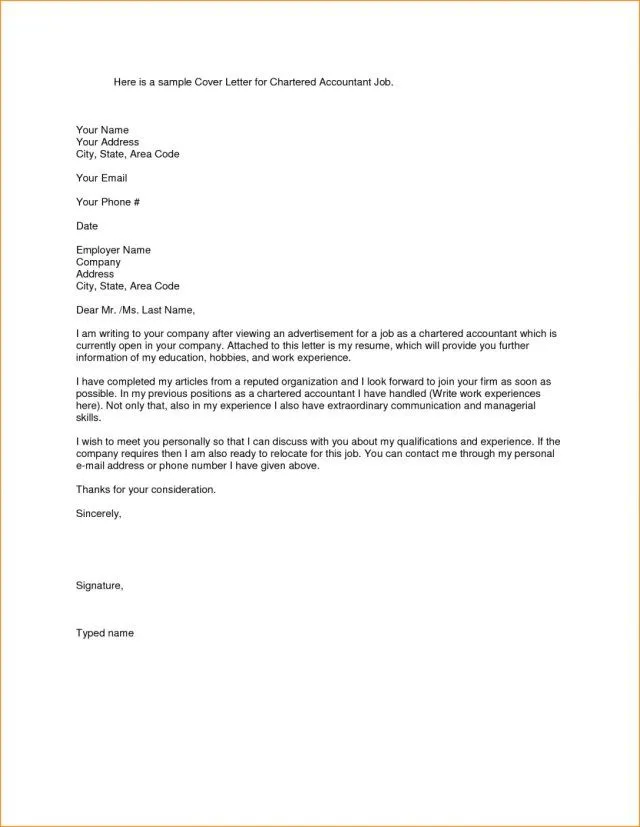
What is a Resume Cover Letter
A resume cover letter is a document you send alongside your resume when applying for a job. It serves as an introduction, a way to highlight your skills, and an opportunity to express your interest in the specific role and company. Think of it as your personal sales pitch to a potential employer. It’s a crucial tool in your job search, providing context to your resume and helping you stand out from other applicants. The cover letter offers a chance to personalize your application and demonstrate your understanding of the job requirements, setting the stage for a favorable first impression.
Purpose of a Cover Letter
The primary purpose of a cover letter is to persuade the hiring manager to read your resume. It offers a concise overview of your qualifications, emphasizing how your skills and experience align with the job requirements. The cover letter is also designed to showcase your enthusiasm for the position and the company. A well-written cover letter helps you communicate your unique value proposition, making it easier for employers to understand why you’re the right fit. In essence, it bridges the gap between your resume and the employer’s needs, increasing your chances of getting an interview.
Highlighting Skills and Experience

A cover letter allows you to elaborate on the skills and experiences listed in your resume. It provides an opportunity to provide context, explaining how your past roles have prepared you for the job you’re applying for. Instead of merely listing your qualifications, you can use specific examples to illustrate your abilities. This helps the hiring manager to understand how your skills translate into tangible results. By strategically highlighting the most relevant skills and experiences, you make a compelling case for your candidacy, increasing the likelihood that you’ll be considered for an interview. This focused approach is crucial for capturing attention and demonstrating your suitability for the role.
What Should a Cover Letter Include
A well-structured cover letter typically includes a personalized greeting, an opening paragraph stating your interest in the position, a body section that highlights your relevant skills and experiences, and a closing paragraph that expresses your enthusiasm and calls for action. The body should demonstrate how your skills align with the job requirements, using specific examples to support your claims. The cover letter should also demonstrate your understanding of the company and its values, showing that you’ve done your research. It should always be tailored to the specific job and the company. Remember to proofread carefully to catch any typos or grammatical errors.
Contact Information and Salutation
At the top of your cover letter, include your contact information, such as your name, address, phone number, and email address. The salutation should be professional, and, if possible, address the hiring manager by name. If you’re unable to find a specific name, use a general greeting like ‘Dear Hiring Manager’. This initial greeting sets the tone of your letter and shows that you’ve taken the time to personalize your application. Ensuring the salutation is appropriate and the contact details are current makes a strong professional impression from the beginning of the letter.
Why is a Resume Cover Letter Important

A cover letter is important because it provides the context that your resume may lack. It allows you to explain career gaps, elaborate on specific achievements, and demonstrate your passion for the role. Many hiring managers consider a cover letter an essential part of the application process, using it to gauge your communication skills, attention to detail, and overall fit for the company culture. Moreover, a well-crafted cover letter demonstrates that you’ve taken the time and effort to tailor your application. It shows that you’re genuinely interested in the position and willing to go the extra mile, setting you apart from candidates who may have only submitted a resume.
Increasing Your Chances
A strong cover letter significantly increases your chances of landing an interview. By highlighting your skills and experiences that align with the job description, you make it easier for the hiring manager to see your potential. The cover letter helps you to articulate your value proposition, emphasizing what makes you a unique and ideal candidate. A well-written and tailored cover letter provides a compelling introduction, setting the stage for the employer to be interested in the qualifications listed on your resume. It shows that you’ve done your research and understand the company’s needs, increasing the chances of you getting an invitation to interview.
Showcasing Personality and Enthusiasm
The cover letter is your chance to showcase your personality and express your enthusiasm for the job. While your resume provides a factual overview of your qualifications, the cover letter allows you to inject some of your personality into your application. Use a professional but authentic tone and convey your genuine interest in the role and the company. This can include describing why you are excited about the opportunity, and what aspects of the job or the company attract you. By showing your enthusiasm and passion, you can create a memorable impression, and make the hiring manager see you as someone who will be a great fit for their team.
Resume Cover Letter Best Practices

To make sure your cover letter is as effective as possible, follow some best practices. Always tailor your cover letter to each specific job application; never use a generic template. Highlight the skills and experiences most relevant to the job description, using specific examples to support your claims. Keep it concise, focusing on the most important points. Proofread carefully for any spelling or grammatical errors. Also, ensure the tone of the letter is professional and reflects your personality. Make sure your contact information is correct, so the recruiter can easily reach you. Also, consider using keywords from the job description to align your application with the employer’s needs.
Tailoring to the Job
Tailoring your cover letter to each specific job is crucial for demonstrating your genuine interest and qualifications. Begin by carefully reviewing the job description, identifying the key skills and experiences that the employer is seeking. Then, customize your cover letter to highlight how your qualifications align with these requirements. Use keywords and phrases from the job description. The goal is to show the hiring manager that you’re not just sending out a generic application, but that you have thoroughly researched the role and company. This personalization can significantly increase your chances of getting an interview.
Proofreading and Editing
Proofreading and editing your cover letter is essential for making a positive first impression. Errors, typos, and grammatical mistakes can undermine your credibility and suggest a lack of attention to detail. Carefully review your cover letter for any spelling errors, grammatical errors, and punctuation mistakes. Read your letter aloud, and consider asking a friend or colleague to proofread it for you. Use grammar-checking software, but don’t rely on it completely. A polished and error-free cover letter demonstrates your professionalism and shows that you care about the quality of your work, significantly improving your chances of getting an interview.
Resume Cover Letter Common Mistakes

Avoid common mistakes that can hurt your chances of getting noticed. Sending a generic cover letter that isn’t tailored to the job or company is a major pitfall. Another mistake is including irrelevant information or exceeding the recommended length. Also, avoid using jargon or overly complex language. The cover letter should be easy to read and understand. Neglecting to proofread for errors is another serious mistake. A poorly written cover letter can create a negative impression, so always double-check for any spelling or grammatical errors. The cover letter is your first impression, so ensuring it is clear, and well-written is essential.
Generic Cover Letters
Using a generic cover letter is a common mistake that can significantly reduce your chances of getting an interview. A generic cover letter is one that isn’t tailored to a specific job or company, which tells the hiring manager that you haven’t put the effort into applying. These letters often lack personalization and fail to highlight your skills and experience in a way that’s relevant to the job description. Instead of using a generic template, invest time in customizing your cover letter to each application. Research the company, understand the job requirements, and tailor your letter to demonstrate how your qualifications match the needs of the role. This personalized approach significantly increases your chances.
Errors and Typos
Errors and typos in your cover letter are a major red flag for potential employers. They suggest a lack of attention to detail, carelessness, and a lack of professionalism. Before submitting your application, carefully proofread your cover letter for any spelling, grammatical, or punctuation errors. Read the letter aloud, or ask a friend or colleague to review it. Double-check your contact information, and ensure that everything is accurate and up-to-date. Even a small mistake can create a negative impression, so take the time to ensure your cover letter is error-free. A clean, well-edited letter shows that you are detail-oriented, which is a critical skill in most professional roles.