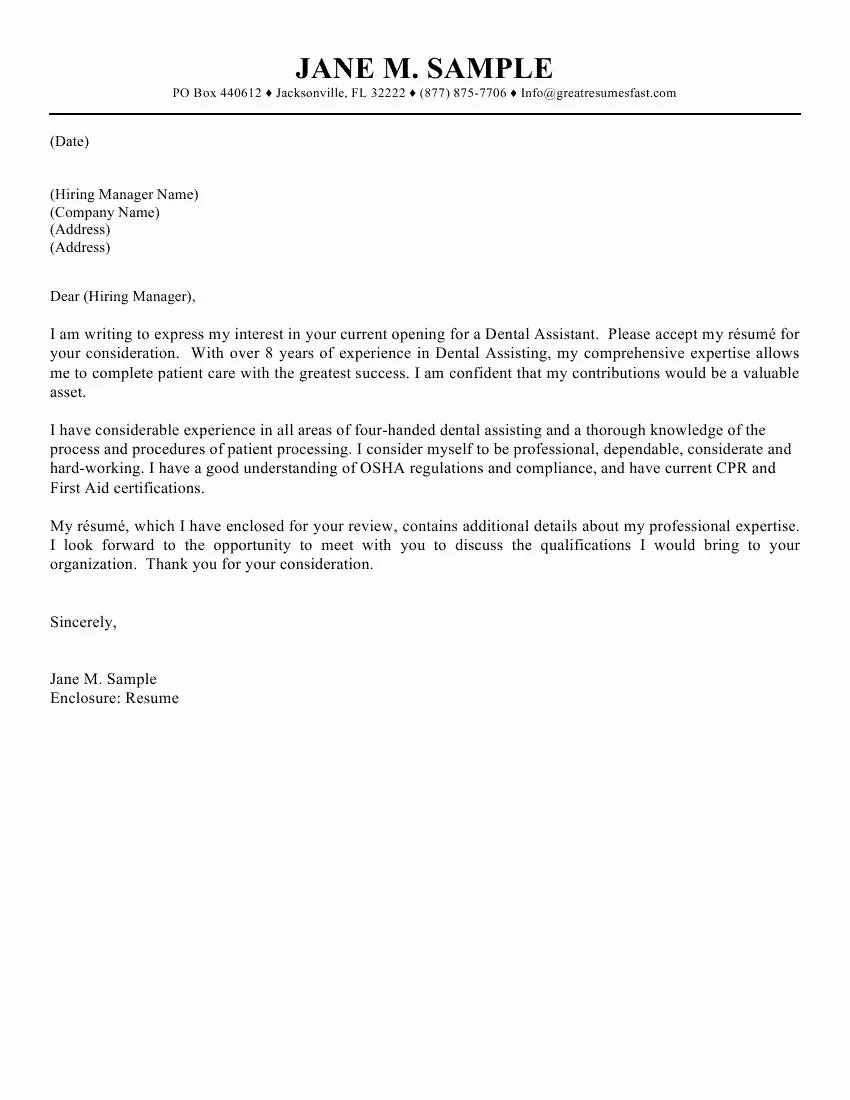
Reentering the workforce can be a daunting task, but a well-crafted cover letter can significantly increase your chances of landing an interview. Many individuals face the challenge of re-entering the workforce after a period of absence, be it for personal reasons, caregiving responsibilities, or further education. Your cover letter is your first impression, a critical tool to demonstrate your value and readiness to potential employers. It’s your chance to articulate your skills, experiences, and aspirations, while also addressing any concerns an employer might have. This guide provides five key strategies to create a compelling cover letter, maximizing your chances of success and helping you navigate the path back to employment.
Crafting a Compelling Reentering Workforce Cover Letter
The core of your reentering the workforce cover letter should be a powerful and convincing narrative that highlights your strengths and addresses any potential concerns regarding your employment gap. This section outlines strategies to help you do just that, ensuring your cover letter captures the hiring manager’s attention and showcases your value.
Highlighting Relevant Skills and Experience
One of the most important elements of a cover letter for reentering the workforce is showcasing your relevant skills and experience. Even if your previous work experience is not directly related to the job you’re applying for, the skills you’ve developed throughout your career, education, and personal experiences are transferable and valuable. Focus on the skills that are most pertinent to the job requirements and demonstrate how you have used them successfully in the past. Make a list of your key skills, then identify examples where you used those skills effectively.
Transferable Skills

Identifying and emphasizing your transferable skills is crucial. These are the skills you’ve gained that can be applied to various job roles and industries. Examples include communication, problem-solving, leadership, time management, and adaptability. If you’ve been a stay-at-home parent, highlight organizational skills, project management (managing family schedules), and financial planning (managing a household budget). If you’ve been pursuing further education or training, mention the new skills you’ve acquired and how they align with the job requirements. Always align the skills with the job description.
Quantifiable Achievements
Whenever possible, quantify your achievements to demonstrate your impact and value. Use numbers, percentages, and specific metrics to illustrate your accomplishments. Instead of saying “Improved customer service,” say “Improved customer satisfaction scores by 15% through implementing a new training program.” Quantifiable results are more impactful and provide concrete evidence of your capabilities. This helps the employer understand the value you brought in your previous experiences.
Addressing the Employment Gap
Acknowledge the employment gap in your cover letter and address it proactively. The key is to provide a positive and concise explanation without making excuses or dwelling on the past. Explain what you were doing during the gap and focus on the positive aspects, such as the skills you acquired, the personal growth you experienced, or the reasons for your absence. Always focus on the future.
Providing a Positive and Concise Explanation

Keep your explanation brief and focused. Avoid overly detailed explanations or negative language. Instead, use positive and straightforward language. For instance, instead of saying, “I was laid off,” say “I took some time to focus on professional development.” State the reason for the gap simply and move on. Show the employer that you took your time off for a productive purpose and that you are now ready and eager to return to work.
Focusing on Growth and Adaptability
Emphasize the skills and experiences you gained during your time away from the workforce. If you volunteered, took courses, or engaged in any personal development activities, highlight those experiences. Focus on how these activities have helped you grow as a person and professional. Highlight how they’ve made you more adaptable, resilient, and prepared for the challenges of the job. Showing adaptability is a major asset to any company.
Showcasing Your Enthusiasm
Demonstrating your enthusiasm for the role and the company is critical. Hiring managers want to see that you are genuinely interested in the opportunity and that you are excited about contributing to their team. This helps them envision you succeeding at the job. Your passion and interest can make you stand out, even if your work experience is not a perfect fit.
Expressing Genuine Interest in the Role and Company

Research the company and the specific job you are applying for, then tailor your cover letter to show that you understand the company’s mission, values, and needs. Mention specific aspects of the role that excite you and explain how your skills and experience align with the company’s goals. Explain why this particular job is something you have been waiting for and express eagerness to contribute to the company’s success. Make sure your interests align with the company and role.
Tailoring Your Cover Letter
A generic cover letter is unlikely to make a strong impression. Always tailor your letter to each specific job application. This requires some extra effort, but it’s a worthwhile investment. Personalization demonstrates that you care enough to understand the employer’s needs and tailor your skills and experience to meet those needs.
Researching the Company and Position
Thoroughly research the company and the specific job you’re applying for. Review the company’s website, social media profiles, and any recent press releases or news articles about the company. Understand the company’s culture, values, and recent projects or initiatives. Then, carefully read the job description and identify the key requirements and responsibilities. This information will guide you in tailoring your cover letter to match the employer’s needs and expectations.
Personalizing Your Letter

Once you have a good understanding of the company and the job, personalize your cover letter by mentioning specific details that show you’ve done your research. Reference the company’s recent accomplishments, their mission statement, or any company values that resonate with you. In your cover letter, show how your skills and experiences align with the specific requirements of the job. This demonstrates your genuine interest in the role. This will show them you are prepared and have a good idea of what the role entails.
Using the Right Tone and Formatting
The tone and formatting of your cover letter are just as important as the content. They contribute to your professional image and can significantly impact how your application is received. It is important to select an appropriate tone and adhere to professional formatting best practices.
Professional Language
Use professional and positive language throughout your cover letter. Avoid slang, jargon, and overly casual expressions. Your tone should be confident and enthusiastic, but never arrogant or overly familiar. Use clear, concise sentences and avoid grammatical errors. Proofread your cover letter carefully to ensure there are no spelling or punctuation mistakes.
Formatting Best Practices

Follow standard formatting practices for cover letters. Use a professional font, such as Times New Roman, Arial, or Calibri. Ensure the font size is between 10 and 12 points for easy readability. Use single-spaced lines and add a space between paragraphs. Use left alignment. Include your contact information at the top of your letter. Use the recipient’s name and title if possible. The right formatting will make your cover letter visually appealing and easy to read.
Proofreading for Errors
Proofread your cover letter multiple times for any errors in grammar, spelling, and punctuation. Errors can undermine your credibility and make a negative impression. Carefully review your letter, and consider asking a friend or family member to proofread it as well. Ensure your cover letter is perfect before submitting it.
Adding a Strong Call to Action
End your cover letter with a strong call to action that encourages the hiring manager to take the next step. This could be a request for an interview or an invitation to discuss your qualifications further. A clear call to action ensures the reader knows what you want them to do next and increases your chances of getting a response.
Requesting an Interview

Make a clear and direct request for an interview. For example, you could state, “I am eager to discuss my qualifications further and would welcome the opportunity to interview for this position.” or “I am available for an interview at your earliest convenience and look forward to the chance to speak with you.” Always express your enthusiasm and eagerness to learn more about the role. This final step reinforces your interest and shows your dedication to the opportunity.
In conclusion, reentering the workforce requires a strategic approach, and a well-crafted cover letter is a critical first step. By highlighting your relevant skills, addressing any employment gaps positively, showcasing your enthusiasm, tailoring your letter, and using the right tone and formatting, you can significantly improve your chances of securing an interview. Remember to always proofread carefully and include a strong call to action. Good luck with your job search!