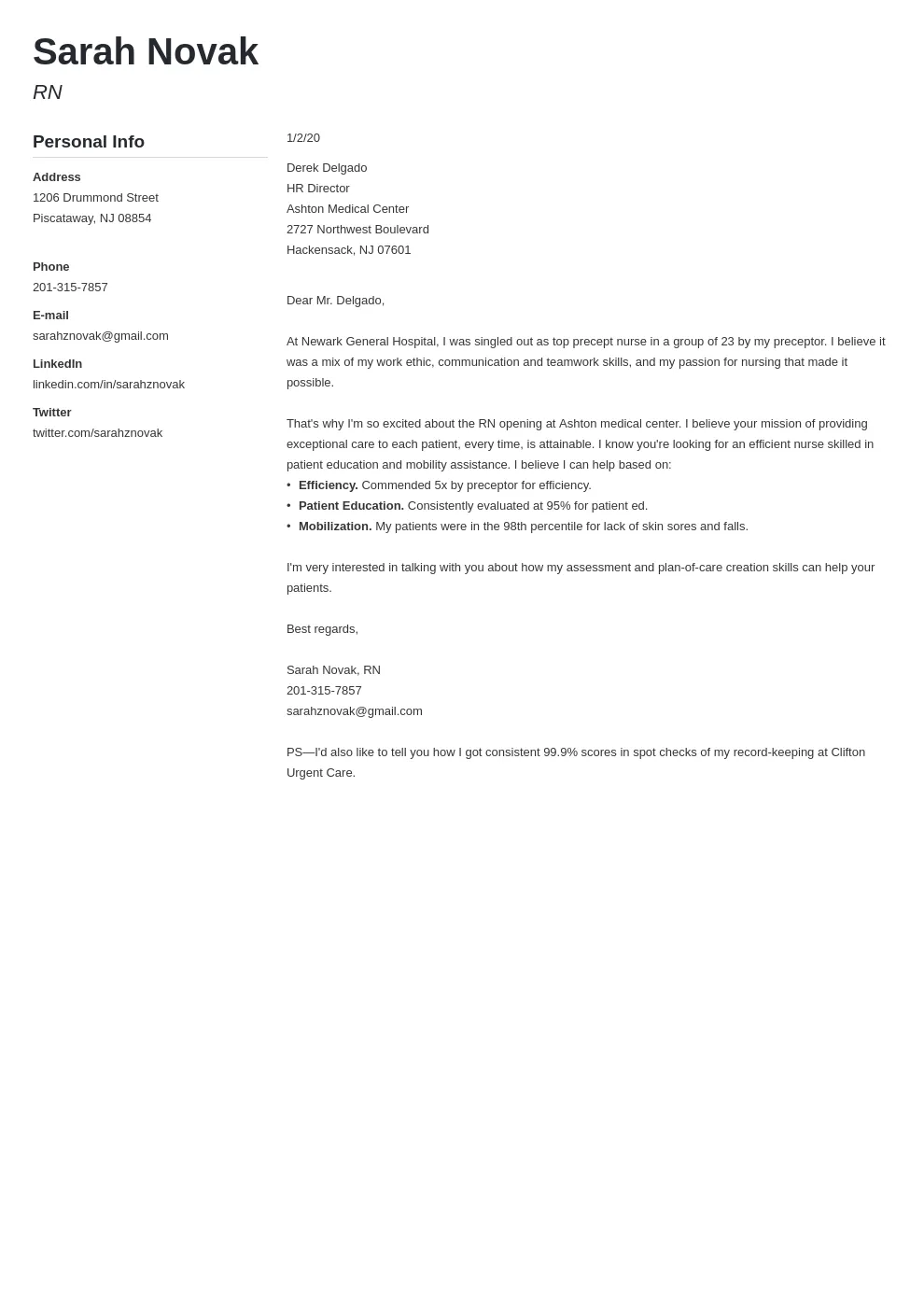
Crafting Your Nursing Internship Cover Letter
A well-crafted cover letter is your first opportunity to make a strong impression and secure a nursing internship. It serves as your introduction, a snapshot of your personality, and a testament to your potential as a future nurse. Remember, a compelling cover letter is more than just a formality; it’s a crucial tool that can differentiate you from other applicants. Before you even begin writing, take the time to research the specific requirements and preferences of the internship program or healthcare facility. Tailor your cover letter to align with their needs, highlighting the skills and experiences most relevant to their goals. Pay close attention to detail, proofread carefully for any grammatical errors or typos, and ensure a professional tone throughout. By focusing on these key areas, you’ll significantly increase your chances of making a positive impact and advancing your career in the nursing field. Always remember your cover letter is what get you the chance to shine and take your next steps!
Highlighting Your Relevant Skills
Your cover letter is the perfect place to showcase the skills you’ve acquired through your education, volunteer work, and any clinical experiences. Focus on the skills most relevant to the nursing internship you’re applying for. Include skills such as patient communication, critical thinking, and the ability to work effectively in a team. If you’re proficient in any specific medical software or technologies, be sure to highlight those as well. Use concrete examples to illustrate your skills, describing situations where you successfully demonstrated these skills. For instance, you might describe how you effectively communicated with a patient to alleviate their anxiety, or how you used critical thinking to address a challenging medical situation. Quantify your achievements whenever possible. Did you assist in a specific number of patient procedures? Did you receive any positive feedback from supervisors or patients? Including specific numbers and positive feedback demonstrates the impact and value you can bring to the nursing internship. This is your chance to make your skills stand out, showcasing your abilities and experience, increasing your chances of securing that highly coveted internship.
Showcasing Your Clinical Experience

Your clinical experience is a critical component of your nursing internship cover letter. It provides tangible evidence of your skills and experience in a healthcare setting. Highlight any relevant clinical experiences you’ve had, such as volunteer work in hospitals, shadowing healthcare professionals, or participating in clinical rotations during your nursing education. Describe the specific tasks and responsibilities you handled during these experiences. What were your roles and duties? What patient populations did you work with? What specific procedures did you assist with or observe? Provide details to demonstrate your understanding of the healthcare setting. Discuss any positive outcomes you contributed to, or any challenges you overcame, to highlight your commitment to nursing. Mention any specialized training or certifications you have, like Basic Life Support (BLS) or Advanced Cardiac Life Support (ACLS). This demonstrates your preparedness and readiness for a nursing internship, showing you’ve taken initiative to improve your skills and qualifications. Make sure you showcase how this hands-on experience has shaped your passion for nursing, demonstrating your readiness and eagerness to begin your career.
Expressing Your Enthusiasm
Your cover letter should clearly express your enthusiasm for the nursing internship and for the nursing profession itself. Let your passion shine through! Explain why you are interested in this specific internship program and why you believe it’s the right fit for your career goals. Mention specific aspects of the program that appeal to you, such as the opportunity to work in a specific department, or the chance to learn from experienced nurses. Share your personal motivations for pursuing a career in nursing. What inspires you about the profession? What do you hope to achieve as a nurse? If you’ve had personal experiences that have influenced your decision to become a nurse, don’t hesitate to share them. These experiences can add depth and authenticity to your cover letter, showing your genuine commitment to the field. This helps you to connect with the reader on an emotional level, making them remember you. Demonstrate your eagerness to learn and contribute to the team. Let them know you are excited about the prospect of working in their environment.
Demonstrating Your Research
Before submitting your cover letter, conduct thorough research on the specific nursing internship program or healthcare facility. Demonstrate this research within your letter to personalize it and showcase your genuine interest. Mention specific aspects of the program or facility that resonate with you, such as their mission, values, or the specialized services they provide. Use this information to tailor your cover letter and explain how your skills and experiences align with their specific needs. Refer to any recent achievements or recognitions the program or facility has received. Highlighting these achievements demonstrates your attention to detail and your understanding of the healthcare landscape. It shows that you are prepared to join a well-regarded institution. Use keywords and phrases from the job description throughout your cover letter. This will help your letter stand out to the reader. By demonstrating that you’ve done your homework, you’ll impress the program and increase your chances of being selected.
Formatting Your Cover Letter

The format of your nursing internship cover letter is just as important as its content. A well-formatted letter is easy to read and professional. Begin by using a standard business letter format. Include your contact information, the date, and the contact information for the hiring manager or the program coordinator. Keep the tone of your cover letter professional and polite. Maintain a consistent font style and size throughout your letter. Choose a font that is easy to read, such as Times New Roman or Arial, and use a font size between 10 and 12 points. Break up large blocks of text with clear paragraphs. Use headings and bullet points to organize your information and make it easier for the reader to scan. Proofread your cover letter carefully for any spelling, grammar, or punctuation errors. Ask a friend or mentor to review it as well. A polished, well-formatted cover letter demonstrates your attention to detail and professionalism. This will reflect positively on you and increase your chances of success.