Crafting a Winning MBA Cover Letter
The MBA application process is a highly competitive one, and a compelling cover letter can significantly increase your chances of acceptance. Your cover letter serves as your first impression, a chance to showcase your personality, aspirations, and suitability for the program. This guide provides a comprehensive approach to crafting a winning MBA cover letter, covering everything from understanding its purpose to formatting and proofreading. A well-written cover letter is not just a formality; it’s a strategic tool to present yourself as an ideal candidate, differentiating you from the many other applicants. It’s a chance to tell your story, highlighting the experiences and skills that make you a strong fit for the specific MBA program you’re targeting. Remember that each school may have specific expectations, so tailor your letter accordingly. Furthermore, it is essential to research each program meticulously and demonstrate why you’re a good fit.
Understanding the Purpose of an MBA Cover Letter
The primary function of an MBA cover letter is to introduce you to the admissions committee and provide context to your application. It goes beyond the resume, allowing you to elaborate on your experiences, explain any discrepancies, and articulate your goals and motivations for pursuing an MBA. This letter is your opportunity to showcase your personality, passion, and unique qualities that set you apart. Think of it as a personal narrative that complements the more factual details presented in your resume and transcripts. It must clearly articulate why you want to attend their specific program and what contributions you hope to make. It should reflect your genuine enthusiasm for both the program and the broader opportunities an MBA can unlock. The goal is not just to list achievements, but to weave a compelling story that convinces the admissions committee you are worthy of consideration and ready for the challenge of an MBA program.
Highlighting Your Achievements and Skills

Your MBA cover letter is a chance to provide evidence of the skills and experiences you have gained. This is done to demonstrate that you are ready for the demands of a rigorous MBA program. Focus on accomplishments rather than just listing job responsibilities. Quantify your achievements whenever possible, using data to demonstrate the impact you’ve made. Show how you’ve solved problems, led teams, or initiated positive changes. These accomplishments should illustrate leadership, analytical thinking, and interpersonal skills, which are highly valued in MBA programs. Moreover, it is crucial to show how your skills and achievements align with the MBA program’s values and goals. Always choose the experiences that highlight relevant skills and demonstrate your potential for success in business. Do not just list your achievements but provide context, detailing how you achieved them, what challenges you overcame, and the results of your actions.
Quantifying Your Accomplishments
Numbers speak volumes. Whenever you describe an achievement, use metrics to quantify your impact. Did you increase sales? Specify the percentage increase. Did you streamline a process? Indicate how much time or money was saved. Did you lead a project? Mention the budget and the team size. Quantifiable results provide concrete evidence of your capabilities and demonstrate your ability to deliver results. Admissions committees are looking for candidates who can analyze data, make informed decisions, and drive positive outcomes. Quantifying your accomplishments makes your cover letter more credible and memorable. If you’re writing about a leadership role, specify the team size, the project’s budget, or the percentage of success. This adds weight to your claims and gives the admissions committee a clear understanding of your capabilities. Always provide specific results that showcase your impact.
Demonstrating Leadership Potential
MBA programs seek individuals with strong leadership potential. In your cover letter, provide examples of how you’ve led teams, managed projects, or taken initiative. Describe your leadership style, the challenges you faced, and how you overcame them. Highlight instances where you’ve motivated others, made strategic decisions, or taken calculated risks. Show how you influenced others to achieve a common goal, whether through formal leadership roles or informal initiatives. The ability to inspire, delegate, and make tough calls is highly valued. Share specific situations where you demonstrated these traits, detailing the context, your actions, and the outcomes. The best cover letters show that you can guide others through difficult situations and consistently deliver results. Discuss how you’ve fostered collaboration and resolved conflicts, demonstrating your ability to lead effectively. Also, discuss instances where you took initiative to solve problems or improve processes.
Tailoring Your Letter to the Program

A generic cover letter is unlikely to impress the admissions committee. Tailor your letter to each specific program, highlighting the aspects that resonate with the school’s values, mission, and curriculum. Show that you’ve researched the program and understand its strengths. Demonstrate your knowledge of the faculty, courses, and specializations. Mention any specific professors whose work excites you or any particular aspects of the program that align with your career goals. Customization shows genuine interest and demonstrates that you’re not just sending out a mass application. Programs want to enroll students who are enthusiastic about their offerings and are prepared to contribute to the community. A customized letter indicates that you have thought carefully about your goals, what you want to gain from the MBA, and how the school is the best fit to achieve them. Also, your letter must highlight what you expect to gain from the MBA and how this degree will allow you to reach your professional goals.
Researching the MBA Program
Before you start writing, thoroughly research each MBA program. Visit the school’s website, read program brochures, and attend information sessions. Familiarize yourself with the curriculum, faculty, and specializations offered. Look at the program’s mission and values. Understand the school’s culture and what makes it unique. This research will help you tailor your letter to the specific program and demonstrate your genuine interest. Also, look at the program’s website for any instructions on the cover letter and ensure that you meet all of the requirements. Furthermore, review the alumni profiles, the faculty’s research interests, and any program initiatives. Then, identify how your skills, experiences, and aspirations align with the school’s specific offerings. The better you understand the program, the more effectively you can demonstrate why you’re a perfect fit. This deep understanding is crucial for writing a compelling cover letter.
Addressing Specific Program Requirements
Some MBA programs may have specific prompts or requirements for the cover letter. Carefully read the application instructions and address these prompts directly. This may include discussing your career goals, explaining your motivations, or highlighting a particular achievement. Be sure to follow the stated guidelines for length, formatting, and content. If the program asks specific questions, answer them thoughtfully and thoroughly. Failing to address the specific requirements can negatively impact your application. By following these instructions, you show your attention to detail and your ability to follow directions. When the program provides clear guidelines, your cover letter needs to show that you’ve taken the time to read and understand them. Furthermore, tailoring your cover letter demonstrates your genuine interest in the program and ensures that you meet all of the requirements, which is a sign of a conscientious applicant.
Structuring Your MBA Cover Letter

A well-structured cover letter is easy to read and highlights your key qualifications. Follow a standard business letter format with a clear introduction, body paragraphs, and a conclusion. Use strong action verbs, concise sentences, and avoid jargon. Structure your letter to tell a cohesive story that leads the reader through your experiences, goals, and suitability for the program. Each section must serve a purpose, ensuring that your letter clearly presents your value as a candidate. A well-structured cover letter shows attention to detail and professional communication skills, both of which are essential in business. Ensure that your letter flows logically and maintains the reader’s interest from beginning to end. Make sure it is easy to read and shows your ability to organize information effectively.
The Opening Paragraph
The opening paragraph is your first opportunity to grab the reader’s attention. Clearly state the purpose of your letter, identify the MBA program you are applying to, and briefly mention why you’re interested. You should also provide a quick overview of your relevant experience or a compelling reason for your application. The opening must be engaging and must quickly convey the essence of who you are and why you’re a good fit. Make sure that the introduction immediately establishes a connection with the reader. A strong opening sentence or two can significantly affect how the admissions committee perceives the rest of your letter. It sets the tone and gives the reader a preview of what is to come. Briefly summarize your most significant accomplishments and career goals in the introduction, and convey your enthusiasm for the program. This opening should also express your genuine interest in the MBA program and the school’s mission.
The Body Paragraphs
The body paragraphs are where you elaborate on your key qualifications, experiences, and goals. Use separate paragraphs to discuss different aspects of your background. Highlight your achievements, skills, and leadership experiences. Provide specific examples to support your claims. Explain how your experiences have prepared you for the challenges of an MBA program. Focus on how your experiences align with the program’s values and goals. Each paragraph should cover a specific aspect of your story. Emphasize the skills that are relevant to business and leadership. Relate your experiences and your goals to the value of the program and what it has to offer. Show that you have the ability to communicate professionally and clearly. Ensure that your letter provides a well-rounded view of your qualifications, capabilities, and personality.
The Closing Paragraph

The closing paragraph should reiterate your interest in the MBA program and summarize your key qualifications. Reiterate your enthusiasm and reiterate your commitment. Briefly restate your career goals and how the MBA will help you achieve them. Thank the admissions committee for their time and consideration, and express your eagerness to learn more about the program. Make sure your closing paragraph is just as impactful as your opening. Then, add your contact information and make sure to sign off professionally. The closing paragraph is your last opportunity to leave a positive impression on the admissions committee, restating your enthusiasm for the program and your career goals.
Formatting and Proofreading Your Letter
Formatting and proofreading are crucial steps in creating a professional cover letter. Proper formatting makes your letter easy to read, while careful proofreading eliminates errors that could undermine your credibility. Always present a polished and professional document that is free of mistakes. Make sure you follow the standards for business correspondence. Furthermore, ensure that the final product is error-free and professionally presented, which is a testament to your attention to detail and your commitment to excellence. A clean and polished cover letter will make the admissions committee value your application. It leaves a favorable and memorable impression, highlighting your respect for the process and your dedication to the application.
Choosing the Right Font and Style
Select a professional and readable font, such as Times New Roman, Arial, or Calibri, and maintain a consistent font size (typically 11 or 12 points) throughout the letter. Use a clear and easy-to-read font. Ensure that your letter has adequate margins (1 inch on all sides) and single or 1.15 line spacing. Use a professional business letter format, with your contact information at the top, the date, and the admissions committee’s address. Maintain a professional tone and avoid slang or overly casual language. A clean layout makes your letter visually appealing and easy to read. A well-formatted cover letter is a sign of your attention to detail and commitment to professionalism. Ensure that your letter has consistent formatting throughout the document to give a professional appearance.
Proofreading for Errors

Carefully proofread your cover letter for any errors in grammar, spelling, punctuation, and sentence structure. Read the letter multiple times, and consider having a friend, family member, or career advisor review it. Errors can undermine your credibility and make it seem as though you lack attention to detail. Also, check for consistency in formatting and style. Proofreading is essential in ensuring that your application shows you as a polished and capable candidate. Spelling and grammatical errors can create a negative first impression and detract from the content of your letter. Proofread your cover letter multiple times and consider having a friend or colleague review it. Then, eliminate typos and grammatical errors. Make sure your cover letter reflects your ability to communicate effectively.
Examples of Excellent MBA Cover Letters
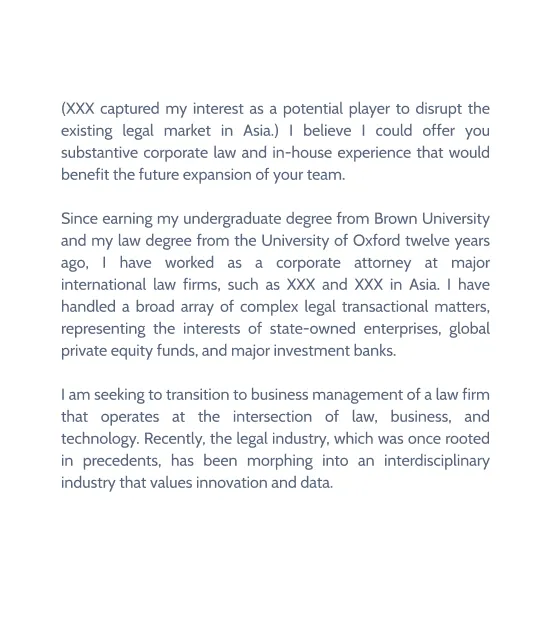
Reviewing examples of successful MBA cover letters can provide valuable insights and inspiration. Look for letters that effectively highlight achievements, articulate goals, and demonstrate a good fit with the program. Analyze the structure, language, and tone of these letters. Use them as a guide to creating your own compelling letter. Remember to avoid plagiarism; use these examples as inspiration, not as a template to copy. Adapt the strategies and insights to reflect your unique background, goals, and personality. Pay close attention to how these letters are tailored to specific programs and demonstrate a strong understanding of the school’s mission and values. Then, you can get a good understanding of how to craft a letter that is engaging and effective. Use examples to improve your own writing.