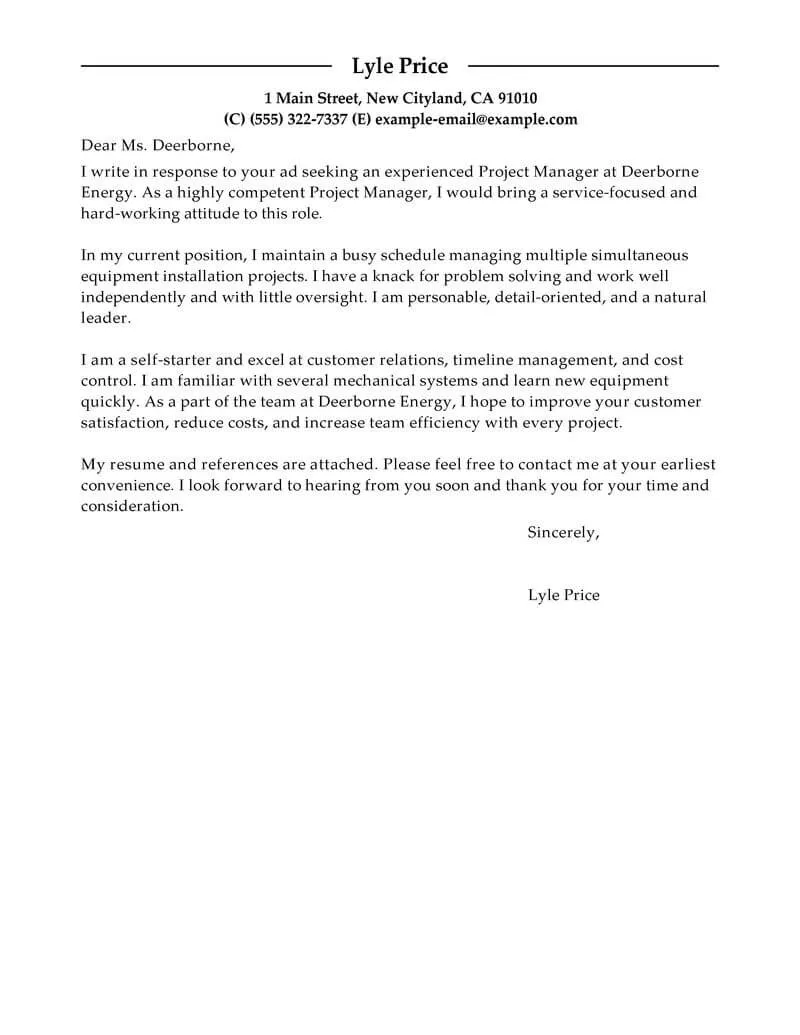
Crafting a Compelling Manager Cover Letter
A well-crafted manager cover letter is your key to unlocking the door to your dream job. It’s more than just a formality; it’s your first opportunity to make a strong impression and convince potential employers that you possess the skills, experience, and personality they’re looking for. This guide will walk you through every step of creating a cover letter that not only gets noticed but also sets you apart from the competition. We’ll cover everything from understanding the core components to tailoring your letter to specific job descriptions, ensuring you’re equipped to showcase your best self and secure that all-important interview.
Understanding the Importance of a Cover Letter for Manager Jobs
In the competitive landscape of manager job applications, a cover letter serves as your personal introduction, providing context to your resume and allowing you to elaborate on your qualifications. For managers, the cover letter is crucial because it allows you to demonstrate leadership qualities, communication skills, and strategic thinking – aspects that aren’t always fully captured in a resume. It shows your proactive approach, attention to detail, and genuine interest in the specific role and the company. A well-written cover letter is an opportunity to present a compelling narrative that showcases your unique value proposition and why you are the ideal candidate.
Key Components to Include in Your Manager Cover Letter

A strong manager cover letter is composed of several key elements, each designed to highlight a different aspect of your qualifications. These include your contact information, a professional greeting, a compelling opening, details of your relevant skills and achievements, a demonstration of your leadership abilities, and a clear and concise closing. Ensuring that each of these sections is well-written and tailored to the specific job description is critical to making a positive impression. Let’s explore these components in more detail to help you craft a cover letter that stands out.
Your Contact Information and the Date
Start your cover letter with your contact information in the top left or right corner. This should include your full name, phone number, email address, and optionally, your LinkedIn profile URL. Below this, include the date. This ensures that the hiring manager knows how to reach you and when the letter was written. Accuracy and professionalism in this section set the tone for the rest of your letter.
Addressing the Hiring Manager
Always address the hiring manager by name if possible. Research the company to find out the name of the hiring manager or the person who will be reviewing your application. Addressing the letter to a specific person demonstrates your attention to detail and your genuine interest in the company. If you cannot find a specific name, use a professional salutation like “Dear Hiring Manager.” Avoid generic greetings like “To Whom It May Concern.”
Highlighting Your Relevant Skills and Experience

The body of your cover letter should focus on highlighting your skills and experience that align with the job requirements. Review the job description carefully and identify the key skills and qualifications the employer is seeking. Provide specific examples from your past roles that demonstrate your ability to meet these requirements. Use action verbs to describe your accomplishments and quantify your achievements whenever possible.
Quantifying Your Achievements for Impact
To make your cover letter even more compelling, quantify your achievements. Instead of simply stating that you “improved sales,” specify by how much: “Increased sales by 20% in one year.” Use numbers, percentages, and specific metrics to demonstrate the tangible results you’ve achieved in previous roles. This gives the hiring manager a clear understanding of your impact and the value you can bring to their organization. Including specific metrics can significantly increase the impact of your cover letter, allowing you to stand out from other applicants.
Demonstrating Leadership and Management Abilities
For manager positions, demonstrating your leadership and management abilities is crucial. Provide examples of how you’ve led teams, motivated employees, resolved conflicts, and made strategic decisions. Share instances where you successfully implemented new strategies, improved team performance, or fostered a positive work environment. Your cover letter is the perfect place to illustrate your ability to manage, mentor, and drive results.
Showcasing Your Problem-Solving Skills

Managers are often faced with complex challenges, so showcasing your problem-solving skills is essential. Describe situations where you identified a problem, analyzed it, and implemented effective solutions. Highlight your analytical abilities, your ability to think critically, and your resourcefulness. Provide specific examples of how you’ve overcome obstacles, made difficult decisions, and achieved positive outcomes. This will demonstrate your ability to handle the responsibilities associated with a management role. Use keywords from the job description to resonate with the requirements.
Expressing Enthusiasm and Company Alignment
Show genuine enthusiasm for the role and the company. Research the company’s mission, values, and recent achievements, and express how your skills and experience align with their goals. Explain why you are excited about the opportunity and what you can bring to the team. Showing that you understand and appreciate the company’s culture and objectives demonstrates your commitment and increases your chances of being selected for an interview.
Structuring Your Cover Letter Effectively
The structure of your cover letter is just as important as its content. A well-structured letter is easy to read and highlights the most important information quickly. The general format includes an opening paragraph, body paragraphs, and a closing paragraph. Each section serves a specific purpose in conveying your qualifications and enthusiasm. Proper formatting makes it easier for the hiring manager to understand your qualifications and is a reflection of your attention to detail.
The Opening Paragraph

The opening paragraph should immediately capture the reader’s attention. State the position you are applying for and how you learned about the opportunity. Briefly mention your key qualifications and express your enthusiasm for the role and the company. This paragraph sets the tone for the rest of your letter and encourages the hiring manager to continue reading. Keep it concise and engaging, highlighting your initial interest.
The Body Paragraphs
The body paragraphs should expand on your skills and experience, providing specific examples to support your claims. Use these paragraphs to highlight your achievements, demonstrate your leadership abilities, and showcase your problem-solving skills. Tailor these paragraphs to the specific requirements of the job description, using keywords from the job posting. Use clear and concise language, avoiding jargon that the hiring manager may not be familiar with. Ensure that your writing is focused, relevant, and impactful.
The Closing Paragraph
In the closing paragraph, reiterate your interest in the position and the company. Thank the hiring manager for their time and consideration. State your availability for an interview and provide your contact information again. End on a confident note, expressing your eagerness to discuss your qualifications further and emphasize your commitment to contributing to the company’s success. A strong closing paragraph leaves a lasting impression and encourages the hiring manager to take the next step.
Formatting and Proofreading Your Cover Letter

Proper formatting and proofreading are critical to creating a professional cover letter. These elements ensure that your letter is easy to read and free of errors. Formatting reflects your attention to detail, while proofreading ensures that your letter presents you in the best possible light. Taking the time to refine these details can make a significant difference in your application.
Formatting Guidelines for Readability
Use a clear, professional font such as Times New Roman, Arial, or Calibri. Maintain a font size between 10 and 12 points for easy readability. Use standard one-inch margins on all sides. Ensure there is adequate spacing between paragraphs and sections, and use a single space after periods. The formatting should be consistent throughout the document. Use bolding sparingly to emphasize key points and headings. Overall, the formatting should enhance the readability of the document, making it easier for the hiring manager to review your application and understand your qualifications.
Proofreading for Errors and Clarity
Carefully proofread your cover letter for any grammatical errors, spelling mistakes, or typos. Read your letter aloud to check for awkward phrasing or unclear sentences. It is also a good idea to have someone else proofread your letter, as they may catch errors that you have overlooked. Ensure that your writing is clear, concise, and professional. A well-proofread cover letter demonstrates your attention to detail and commitment to quality. Accurate and clear writing demonstrates professionalism.
Tailoring Your Cover Letter to the Job Description

A generic cover letter will likely be overlooked. Tailoring your cover letter to each job description is essential for demonstrating your interest and qualifications. This involves researching the company, identifying the key requirements of the job, and matching your skills and experiences to those needs. A customized cover letter is more likely to catch the hiring manager’s attention and showcase your suitability for the role.
Researching the Company and Its Needs
Before you start writing your cover letter, research the company to understand its mission, values, and recent achievements. Visit their website, read news articles, and check their social media profiles. This will provide valuable insights into the company’s culture and needs. Understand what the company values and its current challenges. This research will enable you to tailor your cover letter to specifically address the company’s goals and demonstrate how you can contribute to its success. Demonstrating this knowledge sets you apart from generic applicants.
Matching Your Skills to the Job Requirements
Carefully review the job description and identify the key skills and qualifications the employer is seeking. Highlight the skills and experiences that align with the job requirements. Provide specific examples from your past roles that demonstrate your ability to meet those requirements. Use the same keywords and phrases that are used in the job description to show that you are a perfect fit. Tailoring your letter to the requirements in this manner ensures that the hiring manager can quickly see your suitability for the role.
Using Keywords Effectively
Use keywords from the job description throughout your cover letter. Keywords are the words and phrases that employers use to describe the skills and qualifications they are seeking. Incorporating these keywords increases the chances that your cover letter will pass through applicant tracking systems (ATS) and be noticed by the hiring manager. Use keywords naturally and strategically to enhance your cover letter’s relevance and demonstrate your understanding of the job requirements. Use the keywords in your descriptions of experience, skills and achievements.
Manager Cover Letter Examples to Inspire You
Reviewing sample manager cover letters can provide valuable inspiration and guidance. These examples can help you understand how to structure your letter, highlight your skills, and showcase your achievements effectively. Analyze how successful candidates have tailored their letters to specific job descriptions and what language they have used to make a strong impression. Keep the examples in mind while writing and tailor them to your specific skills and experience. Tailor each example to your specific skills and the job description.
Example 1: Highlighting Experience and Leadership
In this example, the candidate emphasizes their extensive experience and leadership capabilities. They might start by mentioning the number of years they have been in management and the size of teams they have led. They would then provide specific examples of how they have successfully led teams, mentored employees, and driven positive change. Highlighting projects or initiatives they have spearheaded, and the outcomes, can be effective. The goal is to convey a strong leadership presence and a history of successful team management. This example demonstrates a clear ability to lead, motivate, and achieve results.
Example 2: Focusing on Results and Achievements
This example focuses on quantifiable results and achievements. The candidate should use numbers and percentages to demonstrate their impact in previous roles. Examples could include increasing sales, reducing costs, improving customer satisfaction, or streamlining processes. This is an opportunity to detail specific projects and initiatives that yielded measurable success. This approach effectively showcases the candidate’s ability to deliver tangible results and is compelling to hiring managers. This approach emphasizes the candidate’s ability to achieve business objectives.
Example 3: Showcasing Problem-Solving Skills
This example highlights a candidate’s problem-solving abilities. The candidate will need to describe situations where they identified a problem, analyzed the situation, and implemented effective solutions. They should outline the steps taken to resolve complex issues, improve processes, or overcome challenges. This might involve strategic thinking, data analysis, or collaboration. Examples could include successfully navigating difficult decisions, driving innovation, or managing risk. The example should showcase a proactive approach to problem-solving. This example shows the candidate’s ability to handle challenges and implement effective solutions.
Finalizing and Submitting Your Manager Cover Letter
The final steps involve ensuring that your cover letter is in the correct format, saved properly, and submitted along with your resume. Proper preparation and submission are critical for making a positive impression. Taking the time to finalize your cover letter demonstrates your attention to detail and professional approach. Follow these steps to make sure you make the best possible impression and increase the chance of landing an interview.
Saving Your Cover Letter in the Correct Format
Save your cover letter in a widely compatible format, such as PDF. PDF files preserve the formatting of your document and ensure that it looks the same on any device. Use a clear and descriptive file name, such as “YourName_CoverLetter_ManagerPosition.” This allows the hiring manager to easily identify your application and keep it organized. Choosing the right format will ensure that your cover letter appears professional and is easy for the recruiter to read.
Submitting Your Cover Letter with Your Resume
Always submit your cover letter along with your resume unless the job posting explicitly states otherwise. Most employers expect to receive a cover letter, and it demonstrates your attention to detail and commitment. Follow the application instructions carefully and submit both documents in the required format. Ensure that your resume and cover letter are consistent in terms of design and branding. This shows that you are organized and prepared for the role.
Following Up After Submitting Your Application
After submitting your application, consider following up with the hiring manager. Send a brief email or phone call a week or two after submitting your application to reiterate your interest and inquire about the status of your application. This demonstrates your enthusiasm and initiative. Express your continued interest in the role and confirm that you have submitted all required documents. A follow-up shows genuine interest and the initiative to keep things moving forward. Following up may help ensure that your application is reviewed.