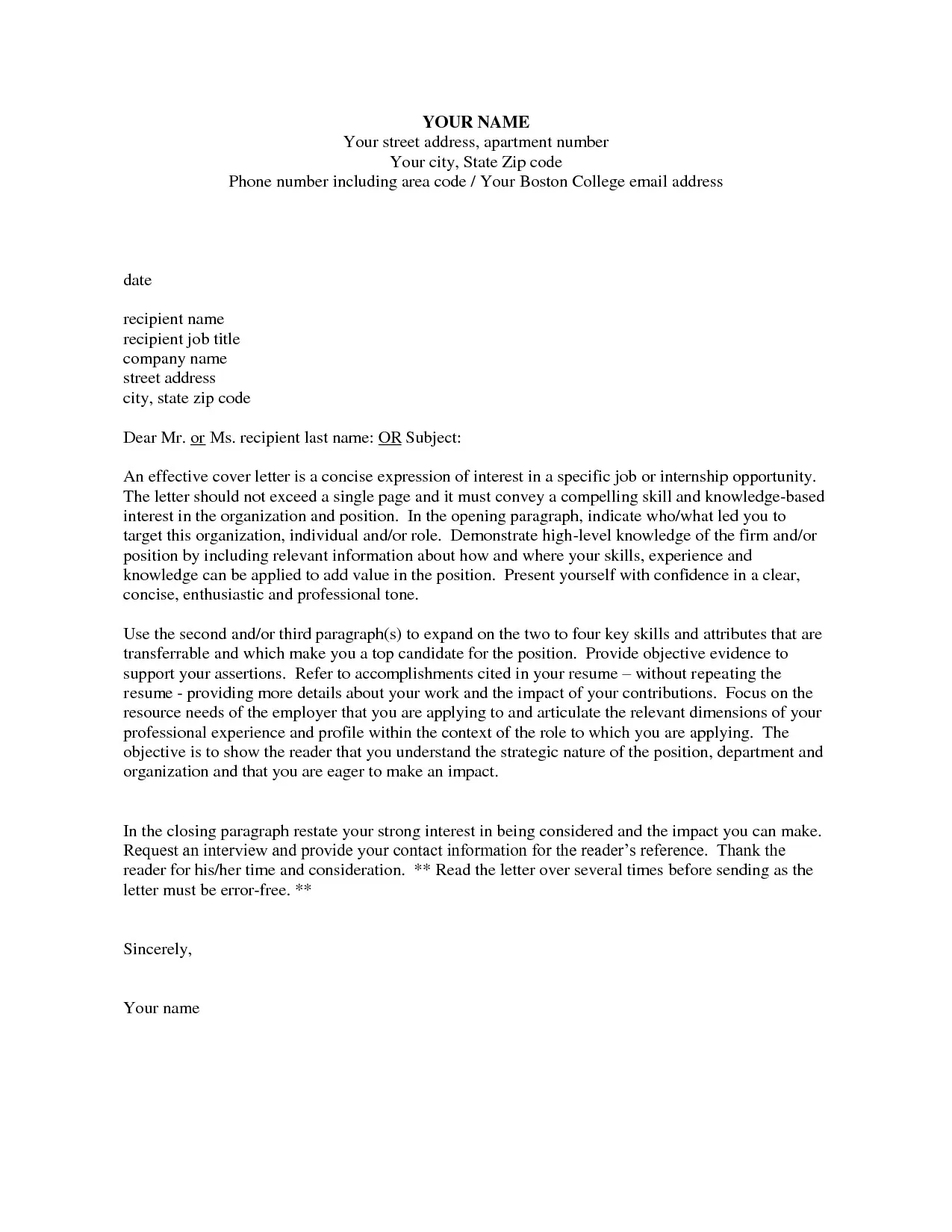
What is a Letter of Interest
A letter of interest, often mistakenly called a cover letter, is a proactive document you send to a company to express your interest in working there, even if they haven’t advertised any open positions. It’s a way to introduce yourself, showcase your skills, and demonstrate your enthusiasm for a specific company or industry. This letter allows you to make a first impression and potentially open doors to future opportunities. Unlike a cover letter, which is tailored to a specific job opening, a letter of interest aims to create opportunities where none may have been explicitly advertised.
Letter of Interest vs Cover Letter
The key difference between a letter of interest and a cover letter lies in their purpose and timing. A cover letter is a reactive document, responding to a specific job advertisement. It highlights how your skills and experience align with the job requirements. A letter of interest, however, is a proactive document sent to a company where you’re interested in working, even if they don’t have a current opening. A cover letter is always specific, while a letter of interest can be more general, expressing your overall interest in the company and its industry.
When to Use a Letter of Interest

A letter of interest is a valuable tool in several situations. You can use it to inquire about potential job opportunities in companies you admire, even if they have no openings listed. It’s useful for networking, introducing yourself to professionals, and expressing your interest in specific departments or roles. Consider sending a letter of interest if you’re changing careers, targeting a company with a strong reputation, or seeking internships or volunteer positions. It allows you to initiate contact and demonstrate your proactive job search approach.
Essential Components of a Letter of Interest
A well-structured letter of interest should contain certain key components. These components work together to clearly and effectively communicate your interest to the recipient. Including each of these elements helps to demonstrate your professionalism and genuine interest in the company. A clear, concise letter of interest will significantly increase your chances of receiving a positive response.
Contact Information
At the top of your letter, include your full name, address, phone number, and email address. This makes it easy for the recipient to contact you. If you’re sending a physical letter, ensure that your address is current and that you are easily reachable at the phone number provided. Double-check your email address for accuracy to avoid any missed communication.
Introduction Paragraph

Start with a compelling introduction that states your purpose clearly. Mention the specific position or department you’re interested in (if applicable), or express your general interest in the company. Show your enthusiasm and explain why you’re contacting them. This opening paragraph is crucial as it grabs the reader’s attention and sets the tone for your letter. Keep it concise, and make sure to personalize the introduction for the company or individual to whom you are writing.
Body Paragraphs
The body paragraphs should highlight your skills, experience, and achievements relevant to the company. Explain why you’re a good fit for their organization. Provide specific examples to support your claims, and connect your skills to the company’s needs or goals. Focus on what you can bring to the table. If you are referencing past work, quantify your accomplishments whenever possible. Use action verbs to show your contribution and your potential value.
Closing Paragraph
In the closing paragraph, reiterate your interest in the company and express your desire to learn more. Thank the reader for their time and consideration. Include a call to action, such as stating that you will follow up or are available for an interview. Ensure the tone is professional and courteous, indicating that you value their time and the opportunity.
Formatting Your Letter of Interest

The formatting of your letter of interest can significantly affect its readability and professionalism. Proper formatting shows that you pay attention to detail and respect the recipient’s time. Choose a format that is clear, concise, and easy to read. Correct formatting helps make a positive impression. Properly formatted documents communicate your professionalism and attention to detail.
Font and Style
Use a professional and readable font, such as Times New Roman, Arial, or Calibri. Keep the font size between 10 and 12 points. Ensure the font style is consistent throughout the letter. Avoid using overly decorative fonts. The goal is to maintain a professional and easy-to-read document that presents the information clearly.
Margins and Spacing
Use standard 1-inch margins on all sides of the page. Single-space your letter, but double-space between paragraphs. This allows for a clean and organized layout. Ensure the spacing is consistent throughout the document. Consistent margins and spacing are key to a polished appearance. Proper spacing enhances readability and ensures that the letter is visually appealing and professional.
Proofreading and Editing

Proofread your letter carefully for any grammatical errors, spelling mistakes, or typos. Errors can detract from your professionalism and make you appear careless. Consider using a grammar checker and have a friend or colleague review your letter for clarity and accuracy. A well-edited letter shows that you pay attention to detail and take pride in your work. Ensure your letter is clear, concise, and free of errors, leaving a strong positive impression.
Writing a Compelling Letter of Interest
Writing a compelling letter of interest involves several key elements that work together to capture the reader’s attention. The more you tailor your letter, the better your chances. The goal is to show genuine interest and demonstrate your value to the company. Researching the company, highlighting relevant skills, and expressing your enthusiasm are crucial elements. Follow these guidelines to greatly improve the impact of your letter.
Research the Company
Before writing your letter, thoroughly research the company. Understand its mission, values, recent news, and any relevant products or services. Tailor your letter to demonstrate your knowledge and show that you understand the company’s goals. This research allows you to highlight how your skills and experience align with the company’s needs. Use this information to personalize your letter, showing you’re genuinely interested in their work. The more informed you are, the better you can articulate your reasons for wanting to work there.
Highlight Relevant Skills and Experience

Identify the skills and experiences that are most relevant to the company and the type of work you’re interested in. Provide specific examples of your accomplishments to demonstrate your capabilities. If possible, quantify your achievements using metrics or data. Tailor your letter to the specific company’s needs, highlighting how your skills can benefit them. Showcase your expertise and demonstrate the value you bring to their team. Focus on what makes you a strong candidate and the impact you can have on the organization. This increases your chances of standing out.
Showcase Your Enthusiasm
Express your genuine enthusiasm for the company and the industry. Explain what excites you about their work and why you want to contribute. Show that you are passionate about the company’s mission or products. This passion is often as important as experience. Share your excitement and be sincere. Express your personal connection to the work and organization. A sincere display of enthusiasm can make a lasting impression.
Examples of Letter of Interest
Reviewing examples of letters of interest can provide valuable insights into different approaches and formats. Examples can help you understand how to structure your letter and how to tailor it to various situations. These examples serve as a guide, but remember to customize your letter to your unique qualifications and the company you’re targeting. Consider various scenarios, such as applying for a job, an internship, or networking purposes, to find the best example for you.
Letter of Interest for Job Application

In this case, although there is no job posted, you will write to the company to express your interest in a specific role or department. Highlight your relevant skills and experience. Show that you have thoroughly researched the company. Be specific about the position you’re seeking or mention your desire to be considered for a role that aligns with your skills. Tailor your letter to the company’s specific needs and demonstrate why you’d be a valuable asset. This approach can increase your chances of being considered for potential openings.
Letter of Interest for Internship
If you’re seeking an internship, a letter of interest can introduce you to a company. Highlight your academic background, relevant coursework, and any related skills. Mention your interest in gaining experience in a specific field or department. Express your enthusiasm for the company and what you hope to learn. Tailor your letter to the company and internship. This can open doors to opportunities. Showcase your eagerness to learn and contribute to their projects. This proactive approach can set you apart from other applicants.
Letter of Interest for Networking
Use a letter of interest to connect with professionals in your desired field. Express your admiration for their work and ask for informational interviews or networking opportunities. State your professional goals and what you hope to achieve. This approach allows you to expand your network and gain valuable insights into the industry. Personalize the letter, and focus on building a genuine relationship. Be respectful of their time, and express your appreciation for their guidance and expertise. Networking is a powerful tool.
Letter of Interest Templates

Using templates can save time and ensure that you include all the essential components in your letter of interest. Templates provide a basic framework. Customize them to reflect your skills and the company’s requirements. These templates also provide an outline of the letter’s structure, helping you stay organized. Properly use the templates to highlight your unique value proposition and make your letter stand out.
Letter of Interest Template for Job Application
A job application template generally includes an introduction, body paragraphs highlighting skills, and a closing with a call to action. It is important to research the company. Clearly state your interest in working for the company. Highlight your relevant experience and achievements and how they align with the company’s goals. Thank the reader for their time and include your contact details and a call to action.
Letter of Interest Template for Internship
For internships, the template will emphasize academic background, coursework, and related skills. Clearly state your interest in an internship opportunity. Express your enthusiasm for the company and the field of work. Demonstrate your eagerness to learn and contribute. Customize the template. Thank the reader and provide your contact information.
Letter of Interest Template for Networking
For networking, a letter template focuses on building a relationship. Express your admiration for the recipient’s work and company. Request an informational interview or networking opportunity. Clearly state your career goals and express what you hope to learn. Customize the template with specific details. Thank the reader for their time. Provide your contact details and a call to action.