What is a Job Searching Cover Letter?
A job searching cover letter is a crucial document that accompanies your resume when applying for a job. It serves as an introduction, a way to showcase your personality, and a means to highlight your most relevant skills and experiences. Unlike a resume, which is a factual summary of your qualifications, a cover letter allows you to tell a story and connect with the hiring manager on a more personal level. It’s your opportunity to explain why you’re the perfect fit for the role and why the company should consider you.
Why is a Cover Letter Important
In today’s competitive job market, a well-crafted cover letter can make a significant difference. It provides an edge over other applicants by offering a glimpse into your communication skills, writing abilities, and genuine interest in the position. Many hiring managers consider cover letters essential for assessing a candidate’s fit for the company culture and their motivation to join the team. A compelling cover letter demonstrates that you’ve taken the time to research the company and understand the role, setting you apart from those who simply submit a resume.
Key Components of a Cover Letter

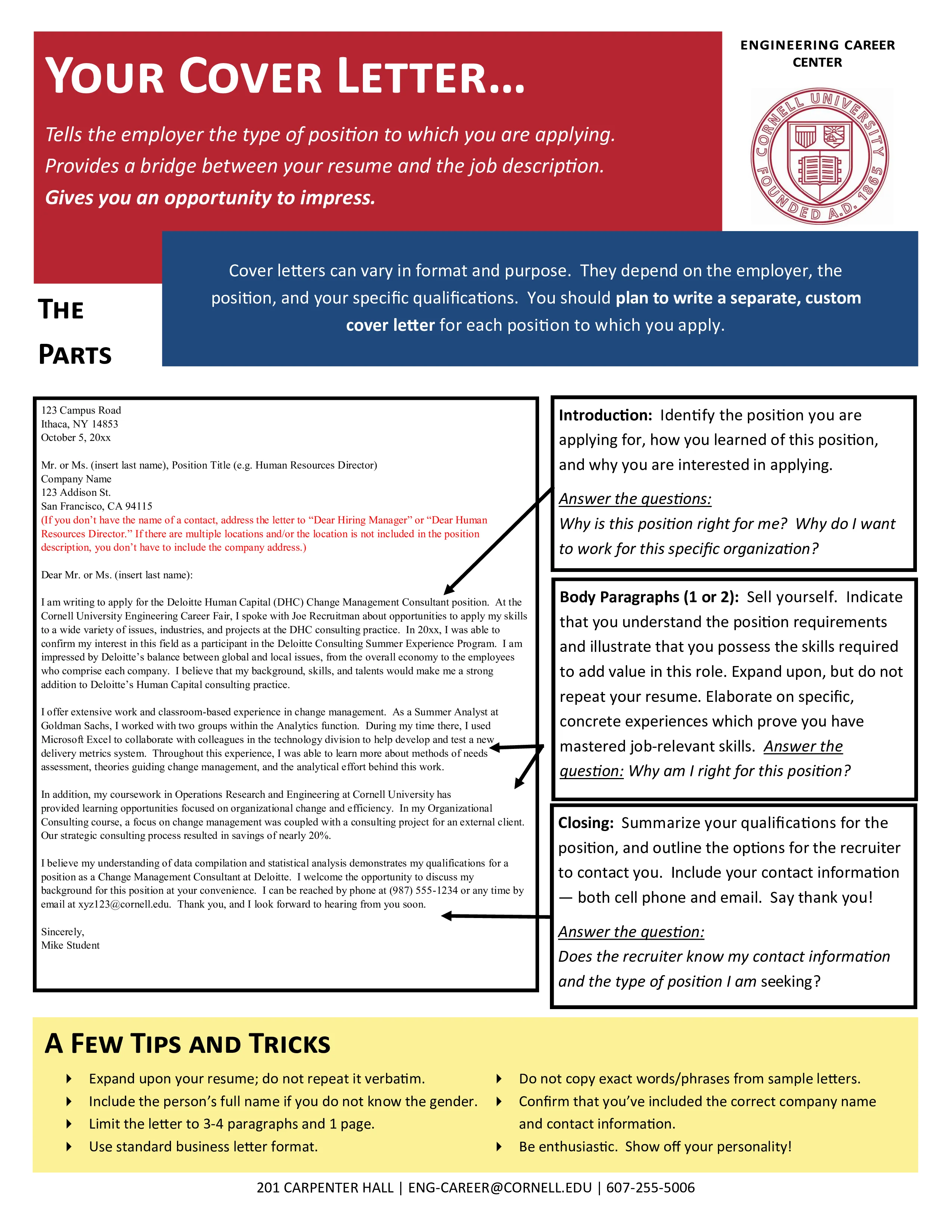
A standard job searching cover letter typically consists of several key components, each serving a specific purpose. Understanding these elements is crucial for constructing an effective letter that captures the hiring manager’s attention and increases your chances of securing an interview. Let’s break down the essential parts of a cover letter and explore what goes into each section.
Header
The header of your cover letter should include your contact information. This ensures that the hiring manager can easily reach you. Include your name, phone number, email address, and sometimes your LinkedIn profile URL. Make sure this information is accurate and up-to-date. A clean and professional header sets a positive tone from the start.
Your Contact Information
Your contact information is the first thing that should be visible. This part is usually located at the top of the letter. Include your full name, address, phone number, and professional email address. Make sure your email address sounds professional; avoid using nicknames or unprofessional language. This section ensures the hiring manager can quickly find out how to contact you.
The Hiring Manager’s Contact Information

If possible, address the cover letter to a specific person. Research the hiring manager’s name and title on the company website or LinkedIn. Use their full name and correct title. If you can’t find a specific name, use a general greeting like ‘Dear Hiring Manager’. Addressing the letter to a specific person demonstrates that you’ve taken the time to research the company and the role, showing your initiative.
Greeting
Start your cover letter with a professional greeting. ‘Dear Mr./Ms. [Last Name]’ is a standard choice when you know the hiring manager’s name. If you don’t know their name, opt for ‘Dear Hiring Manager’ or ‘Dear [Department Name] Team’. Avoid generic greetings like ‘To Whom It May Concern’, as they can come across as impersonal. Ensure the greeting matches the tone of the company and the job description.
The Body Paragraphs
The body of your cover letter is where you highlight your skills, experience, and enthusiasm. This section typically consists of three to four paragraphs, each focusing on a specific aspect of your qualifications. The body paragraphs are your opportunity to persuade the hiring manager that you are the ideal candidate for the job. Each paragraph needs to be concise, well-written, and tailored to the specific job.
First Paragraph: Hook the Reader

Begin with a strong opening that captures the hiring manager’s attention. State the position you’re applying for and where you found the job posting. Briefly mention something that excites you about the role or the company. You might also include a brief statement about your key qualifications or a compelling achievement. The aim is to make them want to read further.
Second Paragraph: Showcase Your Skills
In this paragraph, highlight the skills and experiences that make you a good fit for the job. Refer back to the job description and identify the key requirements. Provide specific examples of how you’ve demonstrated those skills in the past. Use the STAR method (Situation, Task, Action, Result) to explain your experiences and achievements. Quantify your accomplishments whenever possible, using numbers and data to showcase your impact.
Third Paragraph: Express Enthusiasm
Use the third paragraph to express your enthusiasm for the company and the role. Explain why you’re interested in working for this specific organization and what you admire about their mission, values, or products. Show that you’ve researched the company and understand their needs. This demonstrates your genuine interest and commitment to the opportunity, and also explains how your goals align with the company’s objectives.
Fourth Paragraph: Call to Action

End with a clear call to action. Reiterate your interest in the position and express your eagerness to discuss your qualifications further. Thank the hiring manager for their time and consideration. Include a polite request for an interview. Provide your contact information again, making it easy for them to get in touch with you. Close with a professional closing, such as ‘Sincerely’ or ‘Best regards’.
Closing
Conclude your cover letter with a professional closing. Use phrases such as ‘Sincerely’, ‘Best regards’, or ‘Thank you for your time and consideration’. Include your full name below the closing. Ensure the tone of your closing matches the overall tone of your letter. A strong closing leaves a lasting impression and reinforces your interest in the position.
Formatting Your Cover Letter
Formatting your cover letter properly is crucial for making a positive first impression. A well-formatted letter is easy to read and reflects professionalism. Proper formatting guides the reader’s eye and highlights important information. Poor formatting can distract from the content and give the impression that you lack attention to detail. Here are some key formatting elements to consider.
Font and Size

Choose a professional and readable font, such as Times New Roman, Arial, or Calibri. Keep the font size between 10 and 12 points. These fonts are widely recognized and easy on the eyes. Avoid using overly decorative or unusual fonts, as they can be distracting and make your letter look unprofessional. Consistent use of font and size throughout the document creates a polished and organized appearance.
Margins and Spacing
Use standard 1-inch margins on all sides of your cover letter. This ensures that the text is not crammed and provides enough white space. Double-space between paragraphs to improve readability. Proper spacing and margins help create a clean and uncluttered look. Maintain a consistent layout throughout the document. This makes your cover letter more visually appealing and easier to scan.
Proofreading and Editing
Proofread your cover letter carefully for any grammatical errors, spelling mistakes, and typos. Even minor errors can undermine your credibility. Use a grammar checker and ask a friend or family member to review your letter. Pay attention to sentence structure, punctuation, and word choice. A well-written and error-free cover letter demonstrates your attention to detail and professionalism. Consider reading the letter aloud to catch any awkward phrasing or errors that you might miss by simply reading it silently.
Tips for Writing a Compelling Cover Letter

Writing a compelling cover letter requires careful planning and execution. To create a cover letter that stands out, consider these valuable tips. These strategies will help you tailor your letter, highlight your skills, and make a lasting impression on potential employers. Focus on what makes you unique and how you align with the job requirements.
Tailor to Each Job Application
Avoid sending generic cover letters. Customize each letter to the specific job and company. Research the company and understand their needs. Refer to the job description and highlight the skills and experiences that match their requirements. Tailoring your letter demonstrates your genuine interest and that you’ve put in the effort to understand the role and the company. This personalized approach significantly increases your chances of getting noticed.
Highlight Relevant Skills and Experience
Focus on the skills and experiences that are most relevant to the job requirements. Review the job description and identify the key qualifications. Provide specific examples of how you’ve demonstrated these skills in the past. Use action verbs to describe your achievements and quantify your results whenever possible. Tailor the examples to align with the needs of the company to create a strong and persuasive narrative.
Use Action Verbs
Start your sentences with strong action verbs to make your cover letter more dynamic and engaging. Instead of saying ‘Responsible for managing projects’, write ‘Managed projects, resulting in…’ or ‘Led a team to achieve…’. Action verbs make your descriptions more vivid and demonstrate your accomplishments. This creates a strong impression and makes your achievements more memorable. Using a variety of action verbs will enhance the overall impact of your cover letter.
Quantify Your Achievements
Whenever possible, quantify your achievements to demonstrate your impact. Instead of saying ‘Improved customer satisfaction’, write ‘Increased customer satisfaction by 15%’. Use numbers and data to showcase your accomplishments and demonstrate the value you bring to the table. Quantifying your achievements provides tangible evidence of your skills and abilities. Numbers add credibility and make your claims more persuasive.
Proofread Carefully
Before submitting your cover letter, proofread it carefully for any errors. Check for spelling mistakes, grammatical errors, and typos. A single error can undermine your credibility. Ask a friend or family member to review your letter as well, as a fresh pair of eyes can catch mistakes you might miss. Proofreading ensures that your cover letter presents you in the best possible light and demonstrates your attention to detail. Always double-check the company name and the hiring manager’s name for accuracy.
Cover Letter Examples
Seeing examples can help you understand the format and content of effective cover letters. Here are a few examples to guide you, each designed for a different situation. Review these examples to understand how to tailor your letter to various scenarios and positions. Remember to adapt these examples to your specific skills, experiences, and the job you are applying for.
Example 1 Entry-Level Position
This example is suitable for recent graduates or those with limited work experience. The focus is on education, relevant coursework, and any internships or volunteer experiences. Highlight transferable skills and express enthusiasm for the entry-level opportunity. Use this example as a starting point, then tailor it to the specific requirements of the job you are targeting.
Example 2 Career Change
If you are transitioning to a new career, this example will help you emphasize transferable skills and explain your career change. Focus on how your previous experiences and skills are relevant to the new role. Highlight your enthusiasm for the new field and your commitment to learning. This is designed to show employers why the career change is the right move.
Example 3 Applying for a Specific Role
This example is designed for a specific job. The key is to address the specific job requirements and highlight relevant skills and achievements. Show how your qualifications align with the needs of the position. This ensures that the hiring manager knows that you have taken the time to fully understand the requirements of the role. Customize the letter for each role.