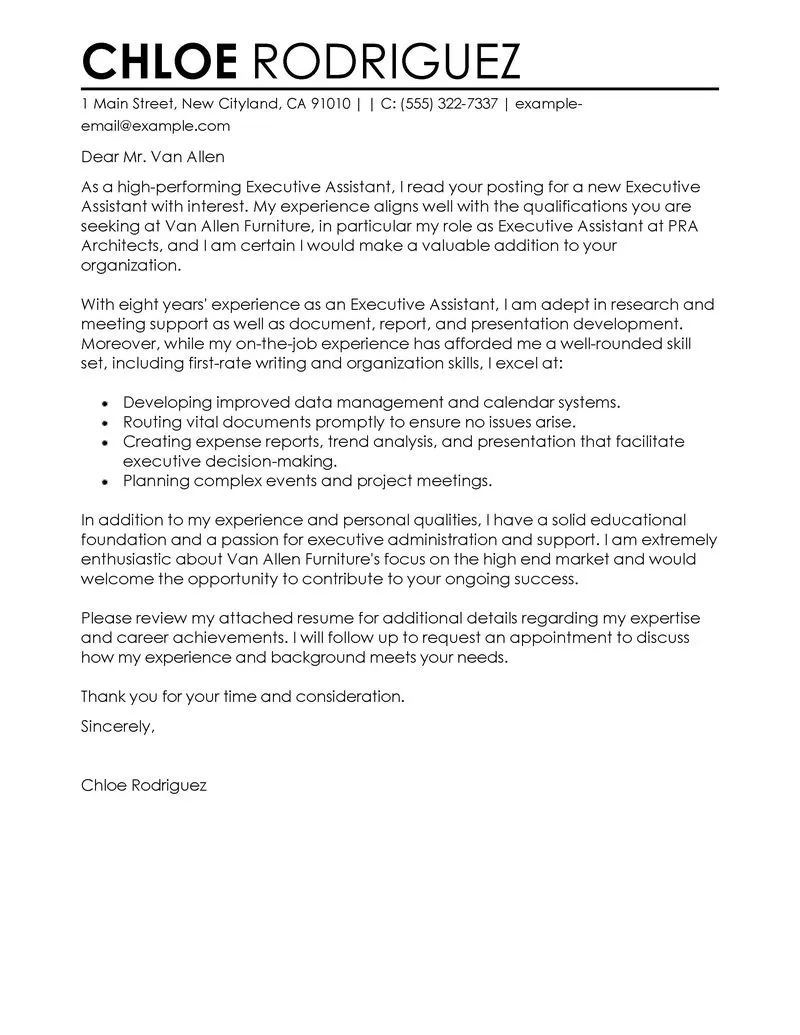
Understanding the Purpose of a Cover Letter
A cover letter serves as your first introduction to a potential employer, offering a glimpse into your personality, skills, and experience beyond what is presented in your resume. It’s an opportunity to make a strong first impression and persuade the hiring manager to invite you for an interview. Think of it as your personal sales pitch, where you highlight why you’re the perfect fit for the administrative assistant position. The primary goal is to capture the reader’s attention, demonstrate your understanding of the job requirements, and express your genuine interest in the opportunity. A well-crafted cover letter significantly increases your chances of landing an interview by showcasing your communication skills, attention to detail, and enthusiasm.
Why a Cover Letter Matters for Admin Assistants
For administrative assistant roles, a cover letter is particularly crucial. This position requires strong communication, organizational skills, and attention to detail – all of which can be demonstrated effectively through your cover letter. It allows you to elaborate on your skills and experiences in a narrative format, providing context and showcasing how you’ve successfully performed similar tasks in the past. Unlike a resume, which lists your qualifications, the cover letter lets you explain how those qualifications align with the specific requirements of the job. A compelling cover letter can set you apart from other applicants by highlighting your unique strengths and demonstrating your understanding of the role and the company’s needs. This is a chance to show your personality and communicate your enthusiasm for the opportunity, making you more memorable to the hiring manager.
Key Components of a Winning Cover Letter

A winning cover letter comprises several key elements that work together to create a strong and persuasive application. Start with a professional header that includes your contact information, followed by a personalized greeting to the hiring manager, if possible. The body of the letter should be structured into well-defined paragraphs, each addressing a specific aspect of your qualifications and demonstrating your understanding of the job requirements. Highlight your relevant skills and experiences, showcasing your accomplishments with quantifiable results whenever possible. Tailor your letter to the specific job description, emphasizing the skills and experiences that align with the employer’s needs. Conclude with a strong closing that expresses your enthusiasm, reiterates your interest, and includes a call to action, such as a request for an interview. Finally, proofread your letter meticulously to eliminate any errors in grammar and spelling, which can undermine your credibility.
Header Format and Contact Information
The header of your cover letter is the first thing a hiring manager sees, so it must be professional and well-organized. Begin by including your full name, followed by your contact information. This typically includes your phone number, email address, and optionally, your LinkedIn profile URL. Ensure that your email address is professional-sounding; avoid using nicknames or informal language. The date should follow, indicating when the letter was written. After the date, include the hiring manager’s name (if known), their title, and the company’s name and address. If you cannot find the hiring manager’s name, use a general greeting like ‘Dear Hiring Manager’. Using the correct format demonstrates attention to detail, a crucial skill for an administrative assistant. Double-check all the information to make sure it is accurate and up-to-date.
Formatting Your Admin Assistant Cover Letter
The formatting of your cover letter should be clean, easy to read, and professional. Use a standard font, such as Times New Roman, Arial, or Calibri, in a size between 10 and 12 points. Set your margins to one inch on all sides. The text should be left-aligned with single-line spacing between lines and a double space between paragraphs. The letter should be no more than one page long. Use clear and concise language to express your ideas. Break up large blocks of text into smaller paragraphs to improve readability. Use bullet points or lists to highlight key skills or accomplishments, making it easier for the reader to scan the document. Ensure your cover letter has a consistent and professional look throughout. Proofread carefully to correct any errors in grammar and spelling, as these mistakes can negatively impact your application.
Greeting the Hiring Manager

The greeting sets the tone for your cover letter. It’s important to address the hiring manager by name whenever possible. This shows that you have taken the time to research the company and that you’re genuinely interested in the position. If you can’t find the name of the hiring manager, use a general greeting such as ‘Dear Hiring Manager’ or ‘Dear [Company Name] Team’. Avoid generic greetings like ‘To Whom It May Concern,’ as they can make your letter seem impersonal. If you know the hiring manager’s name, double-check the spelling and ensure you’re using their correct title (e.g., Mr., Ms., Dr.). A personalized greeting can significantly increase the impact of your letter by immediately establishing a connection and showing that you have paid attention to detail. This detail is essential for an administrative assistant position. This personalized approach can make a favorable impression.
The Body Paragraphs
The body paragraphs are the core of your cover letter. They should be well-structured and compelling, highlighting your skills and experience relevant to the administrative assistant role. Start with an introductory paragraph that states the position you are applying for and how you found the job opening. In the following paragraphs, showcase your key skills and experiences, providing specific examples of how you have successfully performed similar tasks in the past. For instance, describe your experience with scheduling, managing correspondence, or handling office logistics. Quantify your accomplishments whenever possible. For example, mention how you improved office efficiency by a certain percentage or managed a specific number of projects simultaneously. Each paragraph should focus on a specific skill or accomplishment, making your letter easy to read and understand. This structured approach ensures that the hiring manager can quickly grasp your qualifications.
Highlighting Your Skills and Experience
When highlighting your skills and experience, focus on the abilities and experiences that align most closely with the job description. Administrative assistant roles typically require a range of skills, including strong communication (both written and verbal), organizational skills, proficiency in office software (such as Microsoft Office Suite), attention to detail, and the ability to multitask. Provide specific examples of how you have demonstrated these skills in your previous roles. For example, describe a time when you successfully managed a complex schedule or resolved a customer issue. Mention your experience with specific software or tools, such as CRM systems or project management software. Use action verbs to describe your accomplishments. For example, instead of saying ‘Responsible for managing files,’ say ‘Managed and organized files, improving retrieval efficiency by 20%.’ This approach will make your accomplishments sound much more impressive.
Showcasing Relevant Accomplishments

Demonstrate your value by showcasing your accomplishments. Instead of just listing your job duties, highlight specific achievements that demonstrate your capabilities. Provide quantifiable results whenever possible to make your accomplishments more impactful. For example, if you improved office efficiency, state by what percentage. If you reduced costs, specify the amount. If you implemented a new system, mention how it improved productivity or accuracy. If you have received any awards or recognition for your work, include those as well. Focus on accomplishments that are directly relevant to the administrative assistant role and that align with the requirements of the job description. This is the most convincing part of your cover letter. Use the STAR method (Situation, Task, Action, Result) to structure your examples: describe the situation, the task you faced, the action you took, and the positive result you achieved.
Tailoring Your Letter to the Job Description
One of the most important steps in writing a winning cover letter is to tailor it to the specific job description. Carefully review the job posting and identify the key skills, qualifications, and experiences that the employer is seeking. Use the language and keywords from the job description in your cover letter to show that you understand the role and are a good fit. Address each of the requirements mentioned in the job posting, and provide specific examples of how your skills and experience align with them. Avoid using a generic cover letter that you send to every company. Instead, customize your letter for each position you apply for. Research the company and mention something specific that interests you about their mission, values, or recent achievements. This demonstrates that you have taken the time to learn about the company and that you are genuinely interested in working there.
Closing Your Cover Letter
Your closing paragraph should leave a lasting positive impression. Express your enthusiasm for the position and reiterate your interest in the opportunity. Thank the hiring manager for their time and consideration. Include a call to action, such as a request for an interview. For example, you could say, ‘I am eager to learn more about this opportunity and discuss how my skills and experience can contribute to your team. I am available for an interview at your earliest convenience.’ Provide your contact information again, making it easy for the hiring manager to reach you. Keep your closing paragraph concise and professional, and ensure it leaves a positive and memorable impression. A strong closing is crucial to encourage the employer to contact you and move forward with the hiring process.
Expressing Enthusiasm and Next Steps

End your cover letter by expressing your genuine enthusiasm for the role and the company. Show that you are excited about the opportunity and that you believe you would be a valuable asset. Reiterate your interest in the position and restate how your skills align with the job requirements. Clearly state your availability for an interview and provide your contact information again. This makes it easy for the hiring manager to reach out to you. Use positive and confident language. Avoid sounding overly eager or desperate. Ensure you’re ready to answer a call and follow up if you don’t hear back within a reasonable timeframe. A well-written closing will not only summarize your key points but also leave a strong final impression, increasing your chances of moving to the next stage of the hiring process.
Proofreading and Editing
Proofreading and editing are crucial steps in creating a winning cover letter. Errors in grammar, spelling, or punctuation can make your letter appear unprofessional and can negatively impact your chances of getting an interview. After you have finished writing your cover letter, carefully review it for any mistakes. Use a spell checker and grammar checker, but don’t rely on them completely; they may not catch all errors. Read your letter out loud to catch any awkward phrasing or sentence structure. Ask a friend or family member to review your letter and provide feedback. They can often spot errors that you may have missed. Ensure that your formatting is consistent and that your letter is easy to read. Pay special attention to the details, as attention to detail is a key skill for administrative assistants. A well-proofread and edited cover letter demonstrates your professionalism, attention to detail, and commitment to excellence.