Why a Student Cover Letter Matters
As a student, the job market can seem daunting, but a well-crafted cover letter is your secret weapon. Unlike a resume, which provides a snapshot of your experience, a cover letter allows you to tell a story. It’s your chance to express your personality, explain why you’re interested in the specific role, and highlight the skills and experiences that make you a strong candidate. It’s not just about listing your qualifications; it’s about demonstrating your enthusiasm and connecting with the employer on a personal level. This is particularly important for students who may have limited professional experience. A compelling cover letter can showcase your potential and make a lasting impression, setting you apart from other applicants and significantly increasing your chances of landing an interview. Always remember the importance of making a great first impression to the employers.
Highlighting Your Skills and Experiences
Even if your resume lacks extensive professional experience, your cover letter is where you can shine by highlighting transferable skills. Think about skills you’ve gained through coursework, extracurricular activities, volunteer work, or part-time jobs. For instance, if you’ve led a project in a student club, emphasize your leadership, organizational, and communication skills. If you’ve worked in customer service, highlight your ability to interact with people and solve problems. Consider using the STAR method (Situation, Task, Action, Result) to describe your experiences. This helps you provide concrete examples of how you’ve used your skills to achieve results. Always tailor the skills you highlight to match the requirements of the job you’re applying for, ensuring the employer can see how your abilities align with their needs. Remember, employers seek candidates that are able to take initiative. Show that you are one of them.
Showcasing Academic Achievements

Your academic achievements are a significant part of your profile as a student. In your cover letter, provide a brief overview of your relevant coursework, academic projects, and any honors or awards you’ve received. If you have a high GPA, mention it. Highlight any specialized knowledge or skills gained through your studies. For instance, if you’ve excelled in a particular subject or completed a challenging research project, be sure to mention it. These details demonstrate your dedication, knowledge, and ability to learn. If you’ve been involved in research, internships, or any other experiences that show how you apply your knowledge, emphasize those as well. Always show how these academic accomplishments are relevant to the job and explain how they’ve prepared you for the role. Never underestimate the power of your education as it also showcase that you are a hardworking person.
Tailoring Your Letter to the Job
A generic cover letter is a quick way to end up in the rejection pile. Customization is key. Before you start writing, carefully review the job description and identify the key requirements and qualifications. Then, tailor your letter to specifically address those requirements. Show the employer that you understand their needs and are the perfect fit. Use the job description’s keywords and phrases to demonstrate that you have the skills and experience they seek. Don’t just reiterate what’s in your resume; expand on your skills and experiences, providing examples of how you’ve used them to achieve results. Research the company and explain why you’re interested in them. Demonstrating your specific interest in the role and the company’s mission shows that you’re serious about the opportunity and have taken the time to learn about them. Show your ability to research and prepare yourself.
Understanding the Structure of a Cover Letter
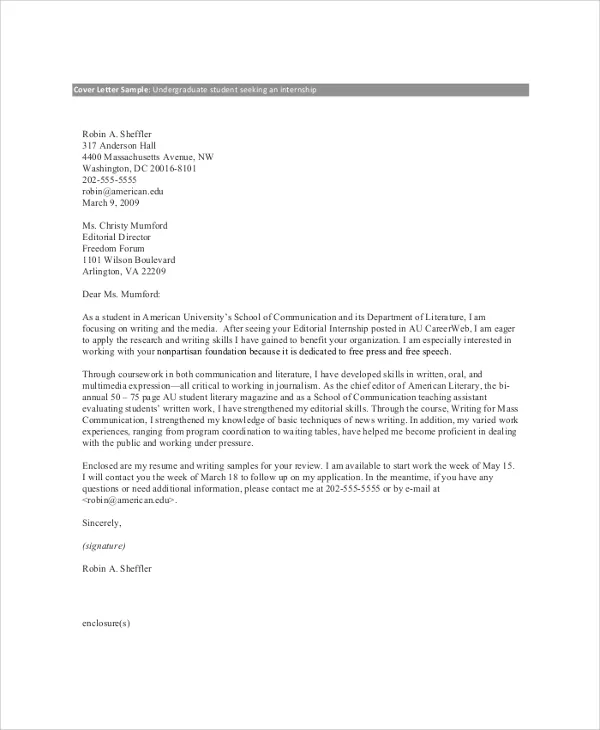
A well-structured cover letter is easy to read and conveys your message effectively. A standard cover letter typically includes a header, an opening paragraph, body paragraphs, and a closing paragraph. Each section serves a specific purpose, contributing to the overall impact of your letter. Proper formatting, clear language, and concise writing are essential for keeping the reader engaged. Always aim for a letter that’s easy to read, well-organized, and highlights your key strengths. Ensuring your cover letter follows a logical flow will help make a strong impression on the recruiter. Avoid any irrelevant content or unnecessary details. Proofread the content to guarantee its clarity and precision.
Header and Contact Information

Your header should include your name, address, phone number, and email address. Ensure your contact information is up-to-date and professional. Also include the date and the recipient’s name, title, and company address if you have it. A clean, organized header shows attention to detail and professionalism. Use a professional email address. If you don’t have one, it’s a good idea to create one. This is the very first thing an employer will see when they open the letter, so it is essential to leave a good impression. Always double-check the address to ensure it is correct. Proofread every detail.
Opening Paragraph
The opening paragraph sets the tone for your letter. Begin by stating the position you’re applying for and where you found the job posting. Then, capture the reader’s attention with a brief statement about why you’re interested in the role and the company. It is important to show your enthusiasm right from the beginning. Consider mentioning a key skill or experience that aligns with the job requirements. Keep your opening concise and focused, making a strong first impression. You might also want to include a mutual connection if you have one, such as a professor or a current employee. This will help you immediately establish credibility and show that you have done your research. Ensure the opening is tailored to the specific job.
Body Paragraphs
The body paragraphs are where you provide more detail about your skills, experiences, and qualifications. Use these paragraphs to elaborate on the key points from your resume, providing specific examples to illustrate your abilities. When describing your skills, don’t just list them; explain how you’ve used them and what results you achieved. Use the STAR method to structure your answers. Demonstrate how you meet the job’s requirements and emphasize your most relevant skills. Tailor your content to the specific job and company. Show how your skills and experiences align with the job description. Structure your paragraphs logically, keeping them focused and concise. Maintain a clear, professional tone throughout your letter.
Closing Paragraph

The closing paragraph should reiterate your interest in the position and company. Express your enthusiasm and summarize your qualifications. Include a call to action, such as requesting an interview. Thank the employer for their time and consideration. Reiterate your contact information. Keep your closing paragraph brief and professional. Proofread the content of your closing paragraph. The closing paragraph gives the final impression, so make it a strong one. Show your appreciation and express confidence in your ability to contribute to the company. End with a polite and professional closing.
Proofreading and Editing
Proofreading and editing are essential to ensure your cover letter is free of errors. Before submitting your cover letter, proofread it multiple times, paying close attention to grammar, spelling, and punctuation. Check for any typos or inconsistencies. Consider asking a friend, career counselor, or professor to review your letter. They can provide a fresh perspective and catch any mistakes you might have missed. Ensure your letter is well-formatted and easy to read. Correct any grammatical errors. A clean, polished cover letter demonstrates attention to detail and professionalism, increasing your chances of getting an interview. Ensure your cover letter conveys a professional image.
Dos and Don’ts for Student Cover Letters
To improve your cover letter, follow these tips. First, always tailor your letter to the specific job and company. Highlight your relevant skills and experiences. Proofread your letter carefully. Use a professional tone and language. Keep your letter concise and easy to read. Second, avoid these mistakes. Don’t use a generic cover letter. Don’t include irrelevant information. Don’t make spelling or grammar errors. Don’t be overly casual or informal. Never exaggerate or lie about your skills or experience. Remember that your cover letter is a reflection of your professionalism and attention to detail. A well-crafted cover letter can significantly increase your chances of landing an interview and securing your dream job. Always be yourself.