Crafting a Stellar Cover Letter
In today’s competitive job market, a well-crafted cover letter is essential for making a strong first impression. It’s your opportunity to introduce yourself, highlight your qualifications, and showcase your personality in a way that a resume alone cannot. This guide will walk you through the process of writing a stellar cover letter in minutes, helping you stand out from the competition and increase your chances of landing your dream job. We’ll cover everything from understanding the purpose of a cover letter to formatting and presentation, ensuring your letter is polished, professional, and persuasive. A cover letter is not just a formality, it’s your chance to connect with the hiring manager on a more personal level.
Understanding the Purpose of a Cover Letter
Before diving into the specifics, it’s crucial to understand why a cover letter matters. Its primary purpose is to provide context to your resume. It allows you to elaborate on your skills and experiences, explain your career goals, and demonstrate your enthusiasm for the specific role and company. A cover letter is also your chance to address any potential gaps in your resume or explain why you’re a great fit, even if your background isn’t a perfect match on paper. It humanizes your application, giving the hiring manager a glimpse into your personality and communication style. This is particularly important because most candidates often struggle with properly highlighting their potential with a resume alone.
Highlighting Your Skills and Experience

One of the main functions of a cover letter is to highlight your relevant skills and experiences. Go beyond simply listing your qualifications and explain how your skills align with the job requirements. Provide specific examples of your accomplishments and quantify your achievements whenever possible. Instead of saying ‘Managed projects,’ you might say ‘Managed three projects simultaneously, resulting in a 15% increase in efficiency and on-time delivery.’ Tailor your letter to each job application by carefully reviewing the job description and identifying the key skills and qualifications the employer is seeking. Then, use your cover letter to demonstrate how you possess those skills and how you’ve used them to achieve successful outcomes in previous roles. This targeted approach will significantly increase your chances of getting noticed.
Why a Cover Letter Matters
A cover letter is more than just a formality; it’s a strategic tool in your job search arsenal. It provides a platform to express your personality, convey your enthusiasm, and differentiate yourself from other applicants. Without a cover letter, your application might seem impersonal and generic. A well-written cover letter demonstrates your attention to detail, your communication skills, and your genuine interest in the opportunity. It gives the hiring manager a reason to read your resume more closely and consider you for an interview. It shows that you’ve taken the time to understand the company’s needs and are committed to contributing to their success. In short, a cover letter can be the deciding factor in whether you get an interview or get overlooked.
Key Components of a Cover Letter
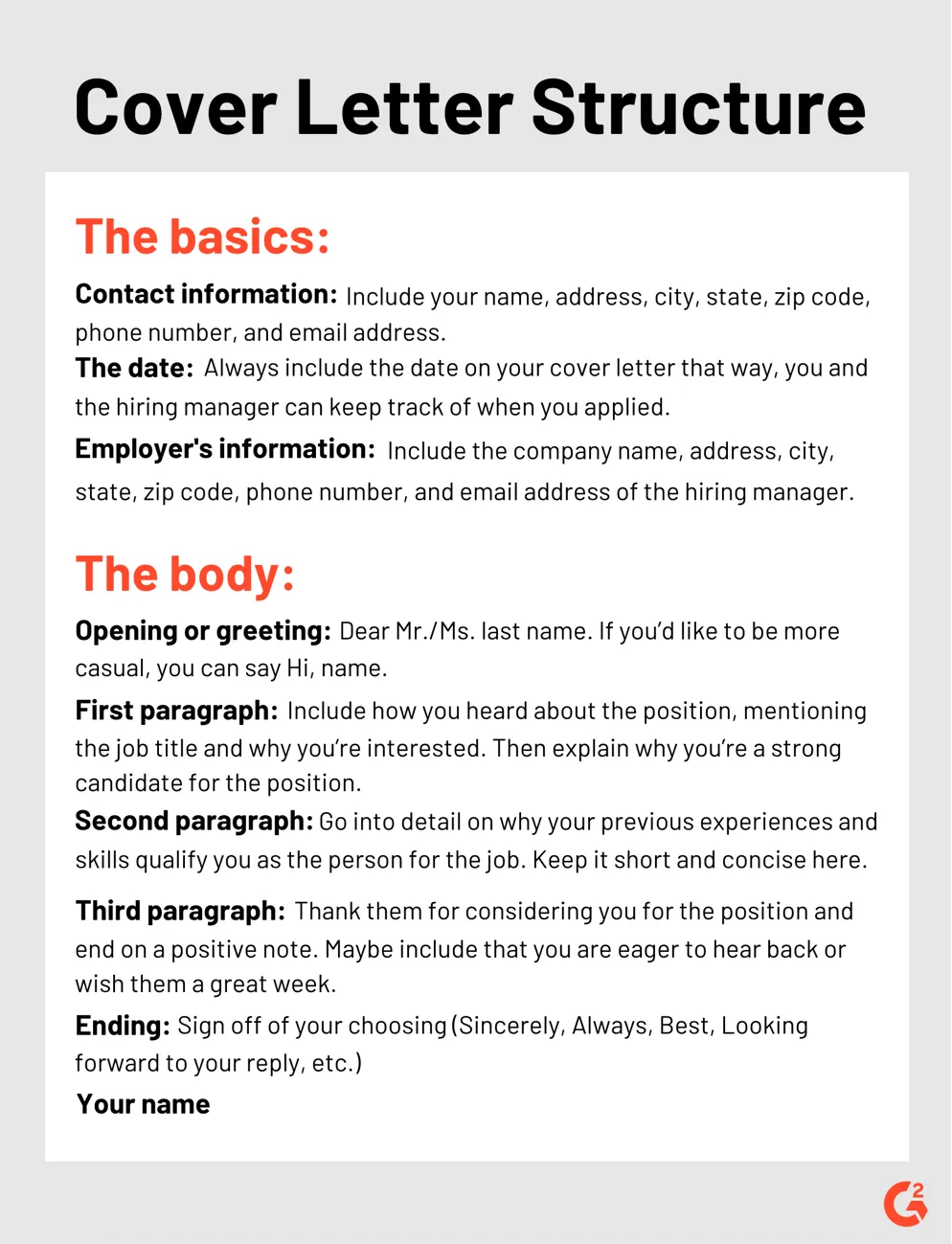
A stellar cover letter is composed of several key components, each playing a vital role in conveying your message effectively. First, start with your contact information, including your name, phone number, email address, and optionally, your LinkedIn profile URL. Next, use a professional greeting, such as ‘Dear Mr./Ms. [Last Name]’ if you know the hiring manager’s name. If not, ‘Dear Hiring Manager’ is acceptable. The opening paragraph should immediately grab the reader’s attention by stating the position you’re applying for and briefly explaining why you’re interested. The body paragraphs should then showcase your value, highlighting your relevant skills, quantifying your achievements, and tailoring your letter to the job description. Finally, the closing paragraph should express your enthusiasm and gratitude, including a clear call to action, such as requesting an interview.
Contact Information

At the top of your cover letter, provide your full name, phone number, email address, and optionally, your LinkedIn profile URL. Ensure that your email address is professional and that your voicemail greeting is also professional. Double-check all information for accuracy before submitting your application. This section ensures that the hiring manager can easily reach you if they’re interested in scheduling an interview. Your contact information should be clear, concise, and easy to find.
Professional Greeting
Always start your cover letter with a professional greeting. If you know the hiring manager’s name, use ‘Dear Mr./Ms. [Last Name]’. If you’re unsure of the name, use ‘Dear Hiring Manager’ or ‘Dear [Department Name] Team’. Avoid generic greetings like ‘To Whom It May Concern,’ as they make your letter seem impersonal. Researching the hiring manager’s name is always a good idea, as it demonstrates initiative and attention to detail. Correctly addressing the hiring manager by name is one of the simplest ways to show you care.
Opening Paragraph Hook the Reader
The opening paragraph is your chance to make a strong first impression. State the position you’re applying for and briefly explain why you’re interested. Consider mentioning how you found the job posting, and quickly highlight one or two key skills or experiences that align with the job requirements. Your opening paragraph should be concise, engaging, and immediately grab the reader’s attention. Avoid clichés and generic statements. Instead, aim for a compelling hook that makes the hiring manager want to read more. This is your first and best opportunity to make a strong impression, and this hook is what separates you from the competition.
Body Paragraphs Showcase Your Value

The body paragraphs are where you showcase your value and demonstrate how your skills and experiences align with the job requirements. Use these paragraphs to elaborate on your qualifications, providing specific examples of your accomplishments and quantifying your achievements whenever possible. Tailor your content to each job description, highlighting the skills and experiences that are most relevant. Structure your paragraphs logically, using clear and concise language. Break up large blocks of text with bullet points or short paragraphs to improve readability. Focus on what you can offer the company and how you can contribute to their success. This is where the bulk of your work in writing a cover letter lies.
Highlighting Relevant Skills
In your body paragraphs, focus on highlighting the skills that are most relevant to the job description. Identify the key skills the employer is seeking and provide examples of how you’ve demonstrated those skills in previous roles. Use action verbs to describe your accomplishments, such as ‘managed,’ ’led,’ ‘developed,’ or ‘implemented.’ When possible, use keywords from the job description to ensure your cover letter aligns with the employer’s needs. Provide concrete examples of how you’ve used your skills to achieve successful outcomes. This makes your letter tailored to the specific job.
Quantifying Achievements
Whenever possible, quantify your achievements to demonstrate the impact you’ve made in previous roles. Use numbers and data to support your claims. Instead of saying ‘Improved customer satisfaction,’ you could say ‘Increased customer satisfaction scores by 20% within six months.’ Quantifying your achievements makes your cover letter more compelling and helps the hiring manager understand the value you can bring to their organization. This concrete data will make it easier for them to understand your potential impact in the new role.
Tailoring to the Job Description

One of the most important tips for writing a stellar cover letter is to tailor it to the specific job description. Carefully review the job posting and identify the key skills, qualifications, and requirements. Then, customize your cover letter to highlight how your skills and experiences align with those specific needs. Use keywords from the job description, and provide examples that demonstrate how you’ve successfully performed similar tasks in the past. Tailoring your cover letter shows the hiring manager that you’ve taken the time to understand their needs and that you’re genuinely interested in the opportunity. Generic cover letters are easily spotted and often discarded.
Closing Paragraph Call to Action
Your closing paragraph should express your enthusiasm for the opportunity and reiterate your interest in the role. Include a clear call to action, such as requesting an interview or expressing your availability for a follow-up conversation. Thank the hiring manager for their time and consideration. Keep your closing paragraph concise and professional. It’s important to end on a positive note and make it easy for the hiring manager to take the next step. A well-placed call to action significantly increases your chances of getting noticed.
Expressing Enthusiasm and Gratitude
Throughout your cover letter, express your enthusiasm for the opportunity and your gratitude for the hiring manager’s time and consideration. Show that you’ve researched the company and are genuinely interested in the role. Use phrases like ‘I am excited about the opportunity to…’ or ‘I am confident that my skills and experience align well with the requirements of this position.’ A sincere expression of enthusiasm can make a positive impression and set you apart from other applicants. Thank the hiring manager for their time and consideration, and reiterate your interest in the role. This reinforces your message and leaves a lasting impression.
Call to Action Request an Interview

Conclude your cover letter with a clear call to action, such as requesting an interview. Make it easy for the hiring manager to take the next step. You might say something like ‘I am eager to discuss my qualifications further and would welcome the opportunity to interview for this position. Thank you for your time and consideration.’ Providing a direct call to action demonstrates your initiative and reinforces your interest in the role. A clear call to action increases your likelihood of moving forward in the hiring process.
Formatting and Presentation
The formatting and presentation of your cover letter are just as important as the content. Your letter should be easy to read, well-organized, and visually appealing. Use a professional font, such as Times New Roman, Arial, or Calibri, and ensure your text is consistently sized. Maintain a consistent font style and avoid using multiple fonts. Proofread carefully for any typos or grammatical errors. This section is dedicated to ensuring the letter is both readable and visually appealing. A well-formatted letter demonstrates professionalism and attention to detail.
Font and Readability
Choose a professional font that is easy to read, such as Times New Roman, Arial, or Calibri. Use a font size between 10 and 12 points for the body text. Ensure that your text is consistently sized throughout the letter. Maintain a consistent font style and avoid using multiple fonts, which can make your letter appear cluttered and unprofessional. Use clear headings and subheadings to break up the text and improve readability. Well-formatted fonts make your letter easier for the hiring manager to read and understand.
Proofreading and Editing

Before submitting your cover letter, proofread it carefully for any typos, grammatical errors, or inconsistencies. Errors can undermine your credibility and make a negative impression. Use a spell-checker and grammar-checker, but also read your letter aloud to catch any awkward phrasing or mistakes that those tools might miss. Ask a friend or colleague to review your letter as well. Fresh eyes can often spot errors that you might overlook. Proofreading and editing are critical steps in producing a polished and professional cover letter.
Common Mistakes to Avoid
There are several common mistakes that can significantly reduce the effectiveness of your cover letter. One of the most critical is using generic templates. Always customize your cover letter to each job application. Another common mistake is including typos and grammatical errors. Be sure to proofread carefully. Ignoring the job requirements is also a mistake. Review the job description carefully and highlight the skills and experiences that align with the employer’s needs. This is a high-level overview of the mistakes to avoid. Steer clear of these pitfalls to increase your chances of a successful application.
Generic Templates
Avoid using generic cover letter templates. While templates can provide a starting point, they often lack personalization and fail to demonstrate your unique qualifications. Always customize your cover letter to each job application, highlighting your relevant skills and experiences and tailoring your content to the specific job description. Using a generic template makes it seem like you haven’t taken the time to understand the company’s needs. This demonstrates a lack of initiative and can make a negative impression on the hiring manager.
Typos and Grammatical Errors
Typos and grammatical errors can undermine your credibility and make a negative impression. Proofread your cover letter carefully before submitting your application. Use a spell-checker and grammar-checker, but also read your letter aloud to catch any awkward phrasing or mistakes that those tools might miss. Ask a friend or colleague to review your letter as well. A single typo can signal a lack of attention to detail, so it’s crucial to eliminate any errors. Ensure all elements are correctly presented to make an impression on the reader.
Ignoring the Job Requirements
Always review the job description carefully and highlight the skills and experiences that align with the employer’s needs. Tailor your cover letter to the specific job requirements, providing examples that demonstrate how you’ve successfully performed similar tasks in the past. Ignoring the job requirements makes it seem like you haven’t taken the time to understand the role. This reduces your chances of being considered for an interview. Be sure to match the skills and experience requested.
Cover Letter Examples and Templates
To get started, review cover letter examples and templates online. However, remember to customize them to your specific needs. Understand the structure of a cover letter, and then tailor your content to showcase your unique qualifications and experiences. Cover letter examples and templates are helpful tools, but they shouldn’t be followed blindly. Instead, use them as a guide to craft a personalized letter. These resources can give you inspiration and a starting point, but the most effective cover letters are unique.
Examples of Effective Cover Letters
Look for examples of effective cover letters online, and study their structure, tone, and content. Pay attention to how the writers highlight their skills, quantify their achievements, and tailor their letters to the job descriptions. Analyze what makes these letters effective, and use those insights to inform your own writing. Pay attention to the language, tone, and format used in successful cover letters. The best examples are those that are tailored to specific jobs and demonstrate how the candidate’s skills align with the employer’s needs.
Utilizing Templates and Customization
While cover letter templates can be helpful, always customize them to your specific needs. Use templates as a starting point, but personalize the content to showcase your unique qualifications and experiences. Tailor your letter to each job application, highlighting the skills and experiences that are most relevant to the job description. Avoid simply filling in the blanks, and instead, focus on crafting a compelling narrative that captures the reader’s attention and demonstrates your value. Ensure the cover letter reflects your individual brand.
In conclusion, writing a stellar cover letter is a critical step in the job application process. By understanding the purpose of a cover letter, highlighting your skills and experience, and avoiding common mistakes, you can create a document that grabs the hiring manager’s attention and increases your chances of landing an interview. Remember to tailor your letter to each job description, proofread carefully, and always express your enthusiasm for the opportunity. With the right approach, you can craft a cover letter in minutes that will set you apart from the competition and propel you toward your career goals.