Understanding the Legal Cover Letter
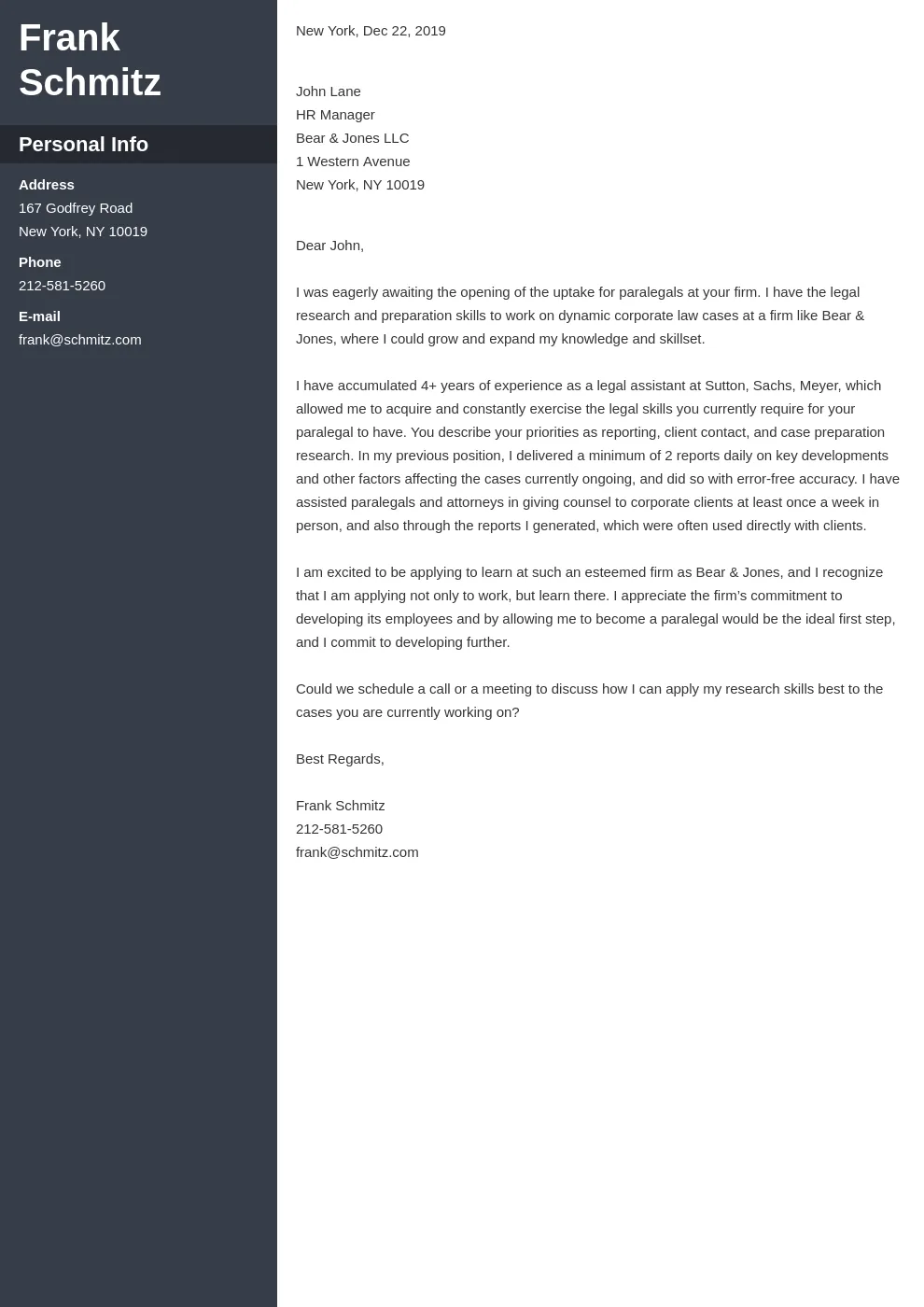
A legal cover letter is a crucial document in the legal job application process. It serves as your initial introduction to a potential employer, providing you with an opportunity to showcase your skills, experience, and passion for the law. Unlike a resume, which presents your qualifications in a concise format, a cover letter allows you to explain why you are the ideal candidate for a specific position. A well-crafted legal cover letter should not only highlight your relevant experience but also demonstrate your understanding of the legal field and your ability to communicate effectively. Mastering the art of legal cover letter writing can significantly increase your chances of landing your dream legal job, whether you’re a law student, paralegal, or experienced attorney. This guide will provide you with the essential tips and strategies needed to create a compelling legal cover letter that grabs the attention of hiring managers.
Purpose of a Legal Cover Letter
The primary purpose of a legal cover letter is to persuade the employer to read your resume and consider you for an interview. It’s your chance to make a strong first impression and differentiate yourself from other applicants. Furthermore, a legal cover letter provides context to your resume, allowing you to elaborate on your skills and experiences, and explain how they align with the specific requirements of the job. It allows you to address the employer directly, demonstrating your genuine interest in the role and the organization. A well-written cover letter indicates professionalism, attention to detail, and strong communication skills – all essential attributes in the legal profession. The cover letter allows you to tell a story of your career goals and motivations, showing the hiring manager not just what you’ve done, but why you’ve done it and how it aligns with their needs. It is an opportunity to highlight relevant coursework, internships, or volunteer experiences, providing more depth than your resume alone.
Key Components of a Legal Cover Letter

A successful legal cover letter comprises several key components. Each element plays a vital role in conveying your qualifications and making a positive impression. These components, when combined, create a professional and persuasive document that increases your chances of securing an interview. A well-structured cover letter shows that you understand the requirements of the role and can communicate effectively. By incorporating these components into your legal cover letter, you can effectively showcase your strengths and make a compelling case for why you are the best candidate for the job.
Your Contact Information and Date
Start your cover letter with your contact information at the top, including your name, address, phone number, and professional email address. Following this, include the date of the letter. This ensures the employer can easily reach you and shows the letter’s timeliness. Ensure your contact information is accurate and professional, reflecting your commitment to detail. A clean and organized layout in this section sets a positive tone for the rest of the letter. Consider using a simple, easy-to-read font to maintain professionalism and clarity.
Recipient’s Information
Address your cover letter to a specific person whenever possible, such as the hiring manager or the partner in charge of hiring. Research the firm or organization to find the correct name and title. If you are unable to find a specific name, use a professional title, such as ‘Hiring Manager.’ Avoid generic greetings like ‘To Whom It May Concern,’ as they can make your letter seem impersonal and less compelling. Addressing your cover letter to a specific individual demonstrates your initiative and genuine interest in the position, showcasing your attention to detail and professionalism.
Salutation
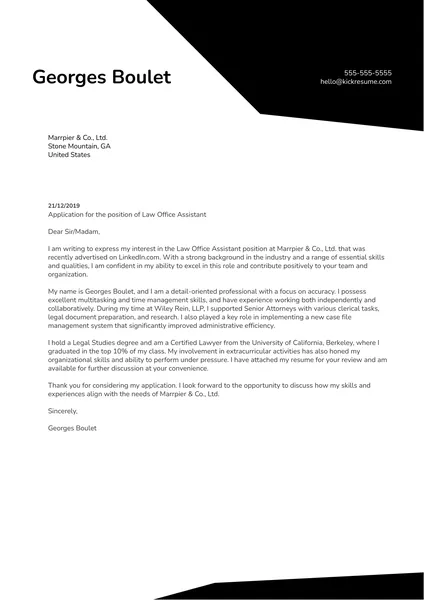
Use a professional salutation such as ‘Dear Mr./Ms. [Last Name].’ If you don’t know the recipient’s name, a suitable alternative is ‘Dear Hiring Manager.’ Ensure that you use the correct title (Mr., Ms., Dr., etc.) and spell the recipient’s name correctly. The salutation sets the tone for the rest of your letter and demonstrates your respect for the recipient. Accuracy here is vital; it conveys your attention to detail and professionalism. Always double-check the spelling of the name and use appropriate titles to maintain a professional and respectful tone.
Body Paragraphs Highlighting Your Skills
The body paragraphs of your legal cover letter are where you highlight your skills, experience, and qualifications. Each paragraph should have a clear purpose and contribute to the overall argument of why you are the best candidate. Focus on the specific requirements of the job and explain how your skills and experiences align with those requirements. Use strong action verbs and provide specific examples to demonstrate your accomplishments. Tailor your cover letter to each job application to show your genuine interest and understanding of the role. The body paragraphs are an opportunity to tell your story, showcase your personality, and make a lasting impression on the hiring manager.
Paragraph 1 Expressing Interest
Start your first paragraph by clearly stating the position you are applying for and how you learned about the opportunity. Express your enthusiasm for the position and the organization. Briefly mention why you are interested in the role and what attracts you to the firm. Demonstrate your knowledge of the firm’s work and mention any specific aspects that appeal to you. Show your genuine interest in the company and the role to capture the hiring manager’s attention from the start. This opening paragraph sets the tone for the entire letter and motivates the reader to learn more about your qualifications.
Paragraph 2 Showcasing Relevant Skills

In the second paragraph, highlight your relevant skills and qualifications. Refer to the job description and identify the key skills and experiences the employer is looking for. Provide specific examples of how you have demonstrated these skills in the past. Quantify your accomplishments whenever possible. For instance, instead of saying ‘I managed cases,’ you could say ‘I managed a caseload of over 50 cases simultaneously.’ Use strong action verbs to describe your accomplishments, such as ‘drafted,’ ’negotiated,’ ‘researched,’ and ‘analyzed.’ This paragraph is about demonstrating your suitability for the role by presenting clear evidence of your capabilities.
Paragraph 3 Demonstrating Knowledge and Experience
In the third paragraph, delve deeper into your experience and provide specific examples that support your claims. Discuss your previous roles, internships, or volunteer experiences in the legal field. Describe your responsibilities, the tasks you completed, and the results you achieved. Highlight any special projects or achievements that are relevant to the position. Explain your understanding of the legal field, including relevant laws, regulations, and legal concepts. Showcase your ability to apply your knowledge and experience in practical situations. This section helps the employer understand how your past experiences have prepared you for the job you are applying for.
Paragraph 4 Mentioning Achievements
Use the fourth paragraph to highlight your most significant achievements. Mention any awards, recognitions, or special projects that demonstrate your skills and dedication. Quantify your achievements with specific numbers and data whenever possible. For example, mention any successful cases you worked on or any improvements you made in previous roles. Demonstrate your ability to deliver results and make a positive impact. This paragraph should serve as a summary of your accomplishments, emphasizing your value as a potential employee. Make sure these achievements are relevant to the job requirements.
Closing and Call to Action

The closing paragraph of your legal cover letter should reiterate your interest in the position and summarize why you are the best fit. End with a strong call to action that encourages the employer to contact you. Express your gratitude for their time and consideration. The closing paragraph is your final opportunity to leave a positive impression. Always proofread this section carefully to ensure it is free from errors and expresses your enthusiasm.
Complimentary Close and Signature
Use a professional closing such as ‘Sincerely,’ ‘Best regards,’ or ‘Respectfully.’ Below the closing, leave space for your signature, and type your full name. If you are sending the cover letter electronically, you can type your name. Your signature adds a personal touch and underscores the professionalism of your letter. Ensure that your name is clearly written and easy to read. Your complimentary close should reflect the tone of your letter, typically formal and respectful in legal cover letters.
Proofreading and Formatting for Success
Proofreading and formatting are crucial steps in creating a successful legal cover letter. Errors and poor formatting can undermine your credibility and reduce your chances of getting an interview. Meticulous attention to detail shows your professionalism and dedication. Ensure your cover letter reflects your attention to detail and presents you as a serious and competent candidate for the legal profession. Reviewing both the content and the formatting is a critical part of the writing process. This section provides guidelines for creating a polished and professional cover letter.
Formatting Guidelines

Use a professional and easy-to-read font, such as Times New Roman, Arial, or Calibri, in a size between 11 and 12 points. Ensure that the font size is consistent throughout the document. Use single spacing for the body paragraphs and leave a blank line between each paragraph. Use a standard one-inch margin on all sides of the page. Left-align your text and avoid excessive indentation. Maintain a clean and uncluttered layout. Use bolding sparingly, typically for headings and to emphasize key information. Maintain a consistent and professional tone throughout the letter. Aim for a concise format, with the cover letter generally limited to one page. Consistent formatting adds to the readability and overall professionalism of your document.
Proofreading Checklist
Carefully proofread your cover letter for any grammatical errors, spelling mistakes, and typos. Check for correct punctuation and ensure that your sentences are well-structured and easy to understand. Verify that the formatting is consistent and professional. Make sure your contact information is accurate. Check for inconsistencies in your content and ensure that all information is relevant and accurate. Have someone else review your cover letter to catch any errors you might have missed. Proofread your resume alongside your cover letter to ensure consistency in your information. Thorough proofreading demonstrates your attention to detail and your commitment to presenting yourself professionally. Proper proofreading enhances your credibility and increases your chances of making a positive impression.
Cover Letter Examples Legal Professionals
Reviewing cover letter examples is a valuable step in understanding how to write a compelling and effective letter. These examples provide insights into structuring your letter, showcasing your skills, and tailoring your application to the specific role. By examining various examples, you can gain inspiration and develop a clearer understanding of what works best in different situations. Understanding what has worked for others can help you create a powerful cover letter that highlights your unique qualifications and makes you stand out from the competition. Below are several examples tailored for different legal professionals.
Example 1 Law Students

For law students, cover letters should highlight academic achievements, relevant coursework, and any practical experience gained through internships or volunteer work. Focus on demonstrating your passion for the law, your strong analytical skills, and your ability to learn quickly. Include details about moot court participation, law review experience, or any specific legal projects you have undertaken. Tailor the letter to the specific requirements of the job and show your enthusiasm for the opportunity. Highlight any specific areas of law you are interested in and how the position aligns with your career goals. Emphasize your potential and eagerness to contribute to the firm.
Example 2 Paralegals
Paralegal cover letters should emphasize practical experience, such as case management, legal research, and document preparation. Include details about the types of cases you have worked on, the legal software you are proficient in, and your ability to work independently. Show your ability to support attorneys and manage deadlines effectively. Highlight your organizational skills, attention to detail, and strong communication abilities. Include specific accomplishments, such as successful filings or contributions to winning cases. Tailor the letter to highlight how your skills and experience align with the firm’s needs and the specific responsibilities of the paralegal role. Show your expertise and how you can immediately contribute to the firm’s success.
Example 3 Experienced Lawyers
Experienced lawyers should emphasize their professional achievements, successful case outcomes, and leadership roles. Provide details about your areas of expertise, the types of cases you have handled, and your client relationships. Highlight your track record of success, including favorable settlements, court victories, and any awards or recognitions you have received. Showcase your leadership skills, such as supervising junior attorneys or managing legal teams. Emphasize your ability to generate business and your network within the legal community. Demonstrate your value proposition to the firm and explain how your experience aligns with their needs and goals. Tailor the letter to the firm’s specific practice areas and needs, showing your ability to contribute strategically.