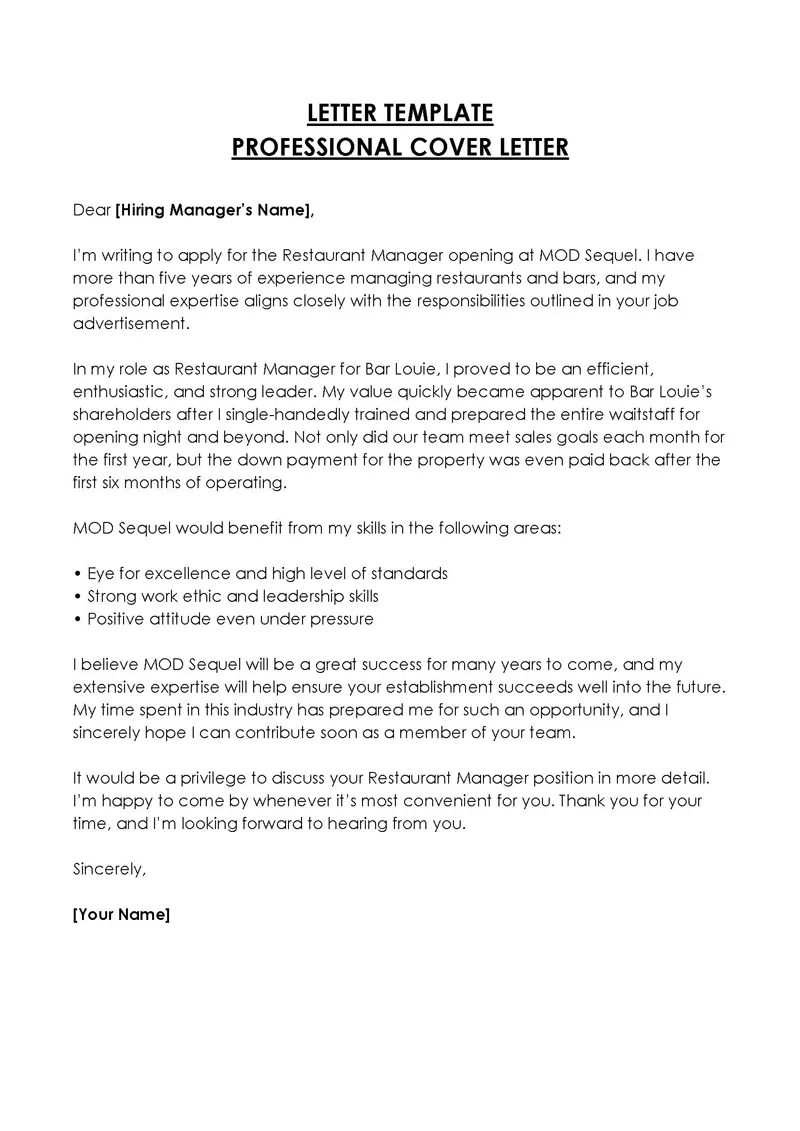
What is a Cover Letter
A cover letter is a one-page document that you submit as part of your job application alongside your resume. It serves as an introduction to your application, giving you the opportunity to highlight your skills, experiences, and why you are a good fit for the specific job. Think of it as your chance to make a strong first impression and persuade the hiring manager to read your resume. Unlike a resume, which provides a factual overview of your work history and skills, a cover letter lets you showcase your personality and express your enthusiasm for the role. A well-written cover letter can significantly increase your chances of getting an interview, so it’s an essential part of your job search strategy.
Why Cover Letters Are Important
Cover letters are crucial for several reasons. First, they demonstrate your communication skills and writing ability, which are vital in most professional roles. They allow you to explain any gaps in your employment history or career transitions, providing context that a resume alone might not convey. A cover letter lets you tailor your application to the specific job and company, showing that you’ve done your research and understand their needs. By highlighting relevant skills and experiences, you can connect your qualifications directly to the job requirements, making your application more compelling. Moreover, a cover letter allows you to express your interest and passion for the role, which can make you stand out from other candidates. Employers value candidates who show genuine enthusiasm, and a well-written cover letter is the perfect way to express it. Without a cover letter, you miss a valuable opportunity to make a strong first impression and convince the hiring manager of your suitability.
Top 7 Cover Letter Writing Tips

Crafting an effective cover letter can be simplified by following a few key tips. These tips ensure your letter is impactful, professional, and tailored to the job. From personalization to proofreading, each tip contributes to a better application and increased interview chances. Mastering these will undoubtedly enhance your job application process.
Tip 1 Personalize Your Letter
Avoid using generic templates. Research the company and the specific role. Address the hiring manager by name if possible. Show that you understand the company’s mission, values, and recent achievements. Mention specific aspects of the job description that resonate with your skills and experience. Tailoring your letter demonstrates your genuine interest and attention to detail, setting you apart from applicants who submit generic applications. Personalization shows you have invested time and effort, indicating a strong commitment to the opportunity. Using the company’s name, the hiring manager’s name, or specific projects or values mentioned on their website instantly makes your application more memorable and relevant. Ensure that every cover letter is unique and reflects your genuine interest in that particular role.
Tip 2 Highlight Your Skills and Experience
Carefully review the job description and identify the key skills and experiences the employer is seeking. Provide specific examples that demonstrate these skills. Use action verbs to describe your accomplishments and quantify your achievements whenever possible. For example, instead of saying, “Managed social media,” say, “Increased social media engagement by 30% through strategic content planning.” Tailor your experiences to the job requirements, ensuring you emphasize the most relevant aspects of your background. When describing your skills, provide concrete evidence through specific examples. Explain how your skills have led to tangible results in your previous roles. This helps the hiring manager quickly understand how you can contribute to the company’s success. Ensure your skills and experiences directly address the job’s needs.
Tip 3 Showcase Your Achievements

Don’t just list your responsibilities; highlight your achievements. Use the STAR method (Situation, Task, Action, Result) to structure your examples. Describe the situation, the task you were assigned, the actions you took, and the results you achieved. Quantify your achievements whenever possible. For example, “Reduced customer service response time by 15% by implementing a new ticketing system.” Focus on accomplishments that align with the job requirements. Highlighting your accomplishments, rather than just listing your duties, makes your cover letter more compelling and demonstrates your value to the employer. Provide clear evidence of your capabilities. Using the STAR method provides a clear and structured way to present your achievements, making them easier for the hiring manager to understand and appreciate. Highlighting your results makes a significant impact on the reader.
Tip 4 Tailor to the Job Description
Carefully analyze the job description to identify the specific skills, qualifications, and experiences the employer is seeking. Customize your cover letter to address these requirements directly. Use keywords from the job description throughout your letter, but don’t overdo it to the point of sounding unnatural. Explain how your skills and experiences align with the job’s requirements and how you can contribute to the company’s goals. Each cover letter should be unique and tailored to the specific job you are applying for. Tailoring your letter demonstrates your attention to detail and your understanding of the employer’s needs. Demonstrating that you understand the company’s mission, values, and recent achievements makes the hiring manager see your enthusiasm for the role. Show the hiring manager how your skills align with their needs.
Tip 5 Use a Professional Tone
Maintain a professional tone throughout your cover letter. Use formal language and avoid slang, colloquialisms, and overly casual expressions. Be polite, respectful, and enthusiastic. Avoid negativity or complaining about previous employers or jobs. Proofread your letter carefully to ensure there are no grammatical errors or typos, which can detract from your professionalism. Your writing style should be clear, concise, and easy to understand. The tone should match the company’s culture while showing your interest and respect for the position. A professional tone makes a great first impression.
Tip 6 Keep It Concise

Cover letters should ideally be one page long. Keep your paragraphs concise and focused. Avoid unnecessary jargon or complex sentences. Use clear, direct language to convey your message. Highlight only the most relevant information and avoid repeating details that are already in your resume. Make sure every sentence serves a purpose and contributes to your overall message. A concise cover letter is easier for the hiring manager to read and understand. A well-written, brief letter shows you value their time. Focus on your key skills and achievements, ensuring your letter is as impactful as possible.
Tip 7 Proofread Carefully
Proofreading is one of the most important steps in writing a cover letter. Before submitting your cover letter, carefully proofread it for any spelling, grammar, or punctuation errors. Read your letter aloud to catch awkward phrasing or unclear sentences. Ask a friend, family member, or career advisor to review your letter and provide feedback. Errors can create a negative impression and undermine your credibility. Proofreading ensures your cover letter is polished and professional. A clean, error-free letter demonstrates your attention to detail and commitment to quality, which can significantly improve your chances of getting an interview. Proofreading also helps eliminate any ambiguity or confusion in your writing.
Cover Letter Formatting Best Practices
Use a professional font, such as Arial, Times New Roman, or Calibri, in a readable size (11 or 12 points). Use standard one-inch margins and single spacing. Align your text to the left and avoid full justification, which can create uneven spacing. Organize your letter into clear sections with headings and subheadings for easy readability. Use bullet points to highlight key achievements or skills. Proper formatting enhances readability and makes your letter visually appealing. A well-formatted cover letter demonstrates your attention to detail. Consistency in formatting is key.
Essential Cover Letter Elements

A good cover letter includes several key elements to make a strong impression and provide all necessary information. Each section has a specific purpose and contributes to the overall effectiveness of your application. Ensuring that these elements are present and well-written can significantly increase your chances of landing an interview. Knowing the correct structure will help you create a cover letter that grabs the reader’s attention. Following these guidelines will make your cover letter stand out to a hiring manager.
Contact Information
Include your full name, phone number, email address, and optionally, your LinkedIn profile URL. Place this information at the top of your cover letter. This helps the hiring manager easily contact you. Ensuring your contact information is accurate and up-to-date is crucial. Double-check your email address and phone number for accuracy. This section is crucial for the hiring manager to reach you if they are interested.
Greeting
Address the hiring manager by name, if possible (e.g., “Dear Mr. Smith”). Research the company or check the job posting to find the hiring manager’s name. If you cannot find a specific name, use a general greeting, such as “Dear Hiring Manager.” Avoid generic greetings like “To Whom It May Concern,” as they lack personalization. Personalizing your greeting makes a better impression. It demonstrates that you have done your research and taken the time to tailor your letter. Make a good first impression right from the start.
Body Paragraphs

The body paragraphs are the core of your cover letter. Start with a brief statement of why you are writing and the position you are applying for. Highlight your relevant skills, experiences, and achievements that match the job requirements. Explain your interest in the company and the specific role. Use the STAR method to provide concrete examples of your accomplishments. Tailor the content to the specific job description. The body paragraphs should show the hiring manager why you are the best fit for the role and showcase your passion for the opportunity. Focus on selling yourself and making the case for an interview.
Call to Action
In your closing paragraph, include a clear call to action. State your interest in an interview and your availability. Thank the hiring manager for their time and consideration. Express your enthusiasm for the opportunity and your desire to learn more. A clear call to action encourages the hiring manager to take the next step. Reiterate your interest in the position and your willingness to discuss your qualifications further. This is your last chance to make an impression. Ensure your call to action is direct and confident.
Closing
Use a professional closing, such as “Sincerely,” “Best regards,” or “Thank you.” Sign your letter, either by typing your full name. This ensures your cover letter is professional and complete. It is a final touch that adds a layer of formality. The closing is a way to signal the end of your letter and reinforce the positive impression you have made.
Cover Letter Dos and Don’ts

Follow these guidelines to make your cover letter effective. Ensure you avoid common mistakes that can negatively impact your application. By following these tips, you can create a cover letter that is informative and persuasive. It is important to know how to make a strong first impression with a well-written cover letter. Remember, it is essential to customize your cover letter for each job application.
- Do tailor your cover letter to each job.
- Do highlight your skills and achievements.
- Do use a professional tone and formatting.
- Do proofread carefully for errors.
- Don’t use generic templates without customization.
- Don’t repeat your resume verbatim.
- Don’t be negative or complain about previous employers.
- Don’t exceed one page in length.