
What is a Cover Letter and Why Is It Important?
A cover letter is more than just a formality; it’s your first opportunity to make a lasting impression on a potential employer. Think of it as a personal introduction, a chance to elaborate on your resume and showcase your personality, passion, and qualifications. It’s a crucial component of your job application, often acting as the deciding factor between getting an interview and being overlooked. In a competitive job market, a well-written cover letter can be the key to unlocking your dream job, distinguishing you from other applicants who might have similar qualifications. It’s an active way to address the hiring manager and provides valuable context to your application and allows you to articulate why you are a good fit for the particular role.
Key Components of an Effective Cover Letter
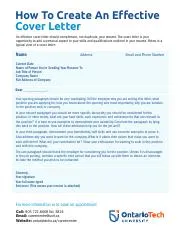
An effective cover letter needs several key elements. Begin with a professional heading, including your contact information and the date. Address the letter to the hiring manager by name if possible, demonstrating your attention to detail and research. The body of the letter should consist of three to four paragraphs. The first paragraph should capture the reader’s attention and state the position you’re applying for, mentioning where you found the listing. The subsequent paragraphs should detail your relevant skills, experiences, and accomplishments, showcasing why you’re a strong candidate. Conclude with a strong closing paragraph, reiterating your interest and call to action, such as requesting an interview. Remember to keep your tone professional and enthusiastic throughout the letter, using clear and concise language.
Formatting Your Cover Letter for Maximum Impact

The format of your cover letter is just as important as its content. Use a professional font like Times New Roman, Arial, or Calibri, and keep the font size between 10 and 12 points for readability. Maintain consistent formatting throughout the document, including font styles, spacing, and bullet points. Aim for a one-page letter, as hiring managers often have limited time to review applications. Use clear and concise language, avoiding jargon or overly complex sentence structures. Break up long blocks of text with short paragraphs and bullet points to make the information easier to digest. A well-formatted cover letter is easy on the eyes, suggesting your attention to detail and professionalism, which creates a positive first impression on the hiring manager.
Crafting a Compelling Opening That Grabs Attention
The opening paragraph is your first and best opportunity to hook the reader. Start with a strong statement that immediately captures their attention. Instead of a generic greeting, consider beginning with a brief anecdote that illustrates your relevant skills or a specific achievement that aligns with the job requirements. State the position you’re applying for and where you saw the listing, but avoid simply restating what’s already in the job description. Show enthusiasm and demonstrate your understanding of the company and the role. The goal is to make the hiring manager want to read the rest of your cover letter, setting the tone for a positive and engaging application. This initial impression could greatly improve your chances to get an interview.
Highlighting Your Skills and Experiences
The body of your cover letter is where you showcase your relevant skills and experiences. Don’t just list your qualifications; demonstrate them. Provide specific examples of how you’ve used your skills to achieve positive results in past roles. Quantify your accomplishments whenever possible by using numbers, percentages, and measurable outcomes. Tailor your examples to match the requirements of the specific job, highlighting the skills and experiences most relevant to the position. Focus on what you can bring to the company, rather than just listing your responsibilities. Using action verbs and providing specific details can make your accomplishments more vivid and compelling, showing the hiring manager that you are a good fit.
Tailoring Your Cover Letter to the Job
Generic cover letters are easily spotted and often discarded. Tailoring your cover letter to each job application is crucial for demonstrating your genuine interest and suitability. Before you start writing, carefully review the job description and identify the key skills, experiences, and qualifications the employer is seeking. Use these keywords and phrases throughout your cover letter, showing that you understand the job’s requirements and possess the necessary skills. Research the company and its values to understand their mission and culture, then explain how your skills align with their goals. By personalizing your cover letter, you show the hiring manager that you have taken the time to understand the role and company, increasing your chances of getting hired.
Showcasing Your Enthusiasm and Fit
Your cover letter should convey your enthusiasm for the position and the company. Express your interest in the specific role and explain what attracts you to the opportunity. Briefly describe why you’re interested in the company’s mission, values, or products. Show that you’ve done your research and understand what the company does and what makes them unique. Demonstrate your understanding of the industry and how you see yourself contributing to their success. Your enthusiasm should be genuine and professional, and make it clear why you are the right fit for the company and the position. It’s your opportunity to let your personality shine through, showing the hiring manager that you’re excited about the opportunity.
Closing Your Cover Letter with Confidence
Your closing paragraph is your final chance to leave a strong impression. Reiterate your interest in the position and summarize why you are a strong candidate. Include a call to action, such as requesting an interview and expressing your availability. Thank the hiring manager for their time and consideration. Maintain a confident and professional tone throughout the closing, avoiding statements like “I hope to hear from you soon.” Instead, express your eagerness to discuss your qualifications further and what you can bring to the company. End with a professional closing, such as “Sincerely” or “Best regards,” followed by your name and contact information, ensuring a lasting positive impression.
Proofreading and Editing Your Cover Letter

Before you submit your cover letter, thoroughly proofread and edit it for any errors. Spelling and grammatical mistakes can damage your credibility and make you appear unprofessional. Ensure your sentences are clear, concise, and well-structured. Check that your tone is appropriate for a professional setting. It is helpful to have a second pair of eyes review your cover letter. Ask a friend, family member, or career counselor to read it for any typos, grammatical errors, and clarity issues. Paying close attention to detail demonstrates your professionalism and shows the hiring manager that you’re committed to presenting your best self. A polished, error-free cover letter can greatly improve your chances of getting an interview and landing your desired job.
Common Cover Letter Mistakes to Avoid
Several common mistakes can undermine the effectiveness of your cover letter. Avoid generic greetings, such as “To Whom It May Concern,” and always address the letter to the hiring manager by name whenever possible. Do not simply repeat information from your resume; the cover letter is your chance to elaborate and provide context. Avoid using overly formal language or jargon, instead choosing a clear and concise writing style. Refrain from discussing your salary expectations or using negative language about previous employers or roles. Make sure you tailor the cover letter to the specific job and company. Finally, always proofread carefully and ensure that there are no spelling or grammatical errors. Avoiding these common pitfalls will significantly improve the impact of your cover letter and increase your chances of success.