Cover Letter Basics
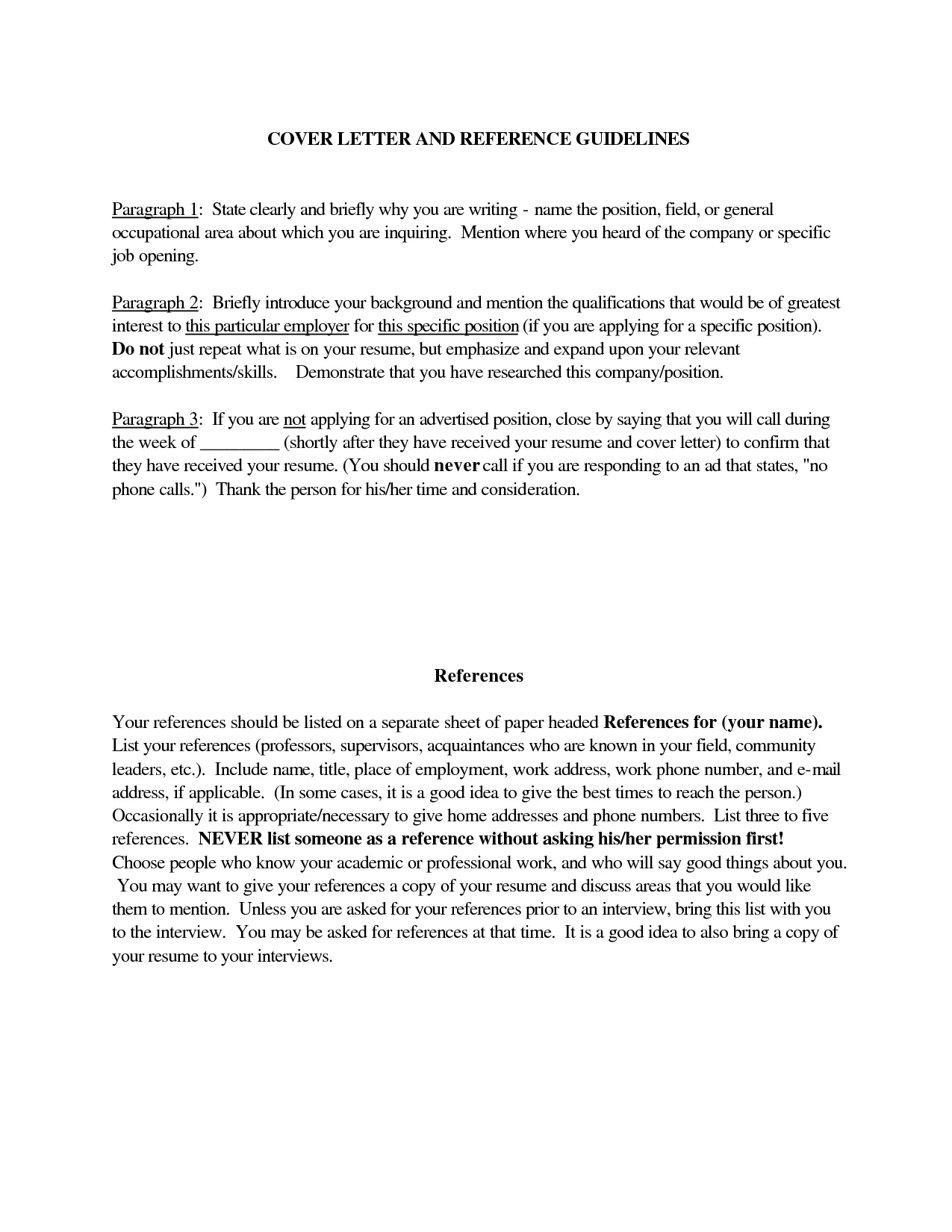
A cover letter is a crucial document that accompanies your resume when applying for a job. It serves as your introduction to a potential employer, providing an opportunity to showcase your personality, skills, and enthusiasm for the position. Unlike a resume, which is a factual summary of your experience, a cover letter allows you to tell a story, explain why you’re a good fit for the specific role, and highlight your key qualifications. A well-crafted cover letter can significantly increase your chances of landing an interview, as it demonstrates your genuine interest and attention to detail. It’s not just a formality; it’s your chance to make a strong first impression and differentiate yourself from other candidates. A strong cover letter is tailored to the specific job and company, demonstrating that you’ve done your research and understand their needs. It’s an opportunity to connect with the hiring manager on a more personal level.
Understanding the Purpose
The primary purpose of a cover letter is to persuade the hiring manager to read your resume and consider you for an interview. It’s a marketing document, selling your skills and qualifications in a compelling way. A cover letter should explain why you are interested in the company and the specific role. It should highlight the skills and experiences that make you a strong candidate, linking them to the requirements of the job. Another key purpose is to showcase your personality and writing style. A well-written cover letter demonstrates your communication skills, attention to detail, and ability to articulate your thoughts clearly and concisely. It’s also an opportunity to address any gaps in your resume or explain why you’re making a career change. The cover letter should always be customized for each job application, reflecting your understanding of the company and the role.
Key Components of a Cover Letter

A well-structured cover letter consists of several key components that work together to present you in the best possible light. Each section plays a vital role in communicating your qualifications and interest. These include a clear header with your contact information, a compelling opening paragraph that grabs the reader’s attention, body paragraphs that showcase your skills and experiences, and a strong concluding paragraph that reiterates your interest and includes a call to action. The content should be concise, well-organized, and tailored to the specific job and company. Every element should contribute to the overall effectiveness of the letter. Formatting and presentation are also important aspects that contribute to your cover letter’s impact. The use of professional language, correct grammar, and a polished layout significantly improve your chances of success.
Header and Contact Information
The header of your cover letter should include your name, address, phone number, and email address. This information ensures the hiring manager can easily contact you. It’s crucial to use a professional-sounding email address. You should also include the date and the hiring manager’s name and title, if known, along with the company’s name and address. This personalization shows that you’ve researched the company and are serious about the application. The header should be clean, and easy to read. Maintaining a consistent format with your resume is a good practice. If you’re sending a digital cover letter, consider using a professional font and formatting to ensure the header looks presentable. Accuracy in this section is key, as any errors can reflect negatively on your attention to detail.
The Opening Paragraph
The opening paragraph is your chance to make a strong first impression. It should immediately capture the hiring manager’s attention and clearly state the purpose of your letter – to express your interest in the specific job. You can mention where you found the job posting and briefly highlight your most relevant qualifications. A compelling opening paragraph should demonstrate your enthusiasm for the role and the company. Avoid generic phrases like “I am writing to apply for the position…” Instead, try something more engaging, like “I am excited to apply for the Marketing Manager position at [Company Name], as I have long admired your innovative approach to…” Showing genuine interest and enthusiasm from the start helps you stand out. Tailor your opening paragraph to the specific job and company, demonstrating that you understand their needs and values. This personalization demonstrates your proactive approach.
Body Paragraphs Showcasing Skills

The body paragraphs are where you showcase your skills, experience, and accomplishments. Focus on highlighting the qualifications that are most relevant to the job description. Use specific examples to demonstrate how you’ve applied your skills and achieved positive results in the past. Quantify your accomplishments whenever possible, using numbers and data to show the impact you’ve made. Structure your body paragraphs logically, focusing on key skills or experiences. Break up large blocks of text to make it easier for the reader to scan. Use action verbs to start your sentences and keep your writing concise and to the point. Relate your skills and experiences directly to the requirements listed in the job description. This ensures your cover letter is tailored to each application. Each paragraph should make a clear connection between your abilities and the needs of the employer.
Highlighting Achievements
When highlighting your achievements, focus on the results you’ve delivered in previous roles. Rather than simply listing your responsibilities, explain how you exceeded expectations, solved problems, or made a positive impact. Use the STAR method (Situation, Task, Action, Result) to structure your examples. Begin by setting the scene (Situation), describing the problem or challenge you faced. Then, explain the task you were assigned (Task) and the specific actions you took to address it (Action). Finally, detail the positive outcome or result of your efforts (Result). This method helps you provide a clear and concise narrative that showcases your achievements. Use strong action verbs to describe your contributions, such as “managed,” “led,” “increased,” or “implemented.” Tailor your achievements to match the requirements of the job description. By highlighting relevant accomplishments, you demonstrate your ability to perform well in the new role.
Quantifying Accomplishments
Quantifying your accomplishments makes them more impactful and persuasive. Whenever possible, use numbers, percentages, and data to show the results of your actions. For instance, instead of saying “Improved customer satisfaction,” state “Increased customer satisfaction scores by 15% within six months.” This provides concrete evidence of your effectiveness. Use metrics that are relevant to the role and the company’s goals. If the job involves sales, highlight your sales figures or the revenue you generated. If it’s a marketing role, mention the increase in website traffic or leads. Quantifying your achievements demonstrates your ability to measure and analyze your performance, showcasing your value to the potential employer. Providing numerical data creates a stronger impact and shows your potential to deliver similar results in the new role.
Cover Letter Concluding Paragraph
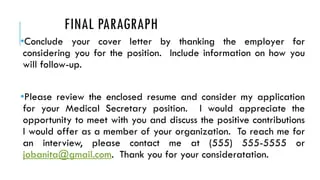
The concluding paragraph of your cover letter is your final opportunity to leave a lasting impression. It should reiterate your interest in the position and the company, and it should include a clear call to action. Keep the conclusion concise and enthusiastic, summarizing why you’re the best fit for the role. Avoid repeating information already mentioned in your letter. Use the concluding paragraph to express your gratitude for the hiring manager’s time and consideration. A strong conclusion increases the likelihood of getting a positive response and moving forward in the application process. It should leave the reader with a clear understanding of your enthusiasm and your next steps.
The Importance of a Strong Close
A strong concluding paragraph is essential for leaving a positive final impression. It’s your last chance to reinforce your enthusiasm for the position and the company. It should be memorable and leave the hiring manager with a clear understanding of why you are a good fit. A weak closing can undermine the impact of your entire letter, so it’s crucial to get it right. A strong close demonstrates your professionalism and attention to detail. Take time to carefully craft your concluding paragraph, ensuring that it is clear, concise, and impactful. It shows you’ve put thought and effort into your application. Make sure your concluding paragraph reflects your genuine interest in the company and the job opportunity. This shows a genuine interest and makes you stand out.
Reiterating Interest and Enthusiasm
In your concluding paragraph, reiterate your interest in the specific position and the company. Mention something specific that has attracted you to the role or the organization. This shows you’ve done your research and are genuinely interested. Express your enthusiasm for the opportunity to contribute to the company’s success. Highlighting your interest reinforces your passion. Avoid generic statements and personalize your message to show you’re committed to the opportunity. Use this part to show that you believe in your value for this company. Demonstrating enthusiasm in your concluding paragraph helps make a memorable closing statement.
Call to Action Next Steps

The concluding paragraph should always include a clear call to action, indicating your next steps. This could be a request for an interview or an offer to provide additional information. Make it easy for the hiring manager to take the next step. State your availability for an interview and provide your contact information again if needed. End with a polite expression of gratitude for the reader’s time and consideration. A well-defined call to action ensures the hiring manager knows what you expect and how to proceed. Examples of effective calls to action include: “I am eager to discuss my qualifications further in an interview” or “Thank you for your time and consideration. I look forward to hearing from you soon.” Concluding with a call to action prompts the hiring manager to contact you and moves your application forward.
Proofreading and Editing
Before submitting your cover letter, thoroughly proofread and edit it. Errors in grammar, spelling, or punctuation can significantly undermine your credibility and professionalism. Read your cover letter multiple times, and consider having someone else review it as well. Use a grammar and spell-checking tool, but don’t rely on it completely. These tools can miss subtle errors, so a manual review is essential. Check for consistency in formatting, such as font size, spacing, and indentation. Ensure your writing is clear, concise, and easy to understand. A well-proofread and edited cover letter demonstrates your attention to detail and commitment to quality. It’s a sign of professionalism that can set you apart from other candidates.
Common Mistakes to Avoid
Avoid common mistakes that can hurt your chances of getting hired. One mistake is using generic cover letters that are not tailored to the specific job or company. Generic applications show a lack of interest and can quickly lead to rejection. Another is including irrelevant information or rehashing your resume word-for-word. Your cover letter should complement your resume, not duplicate it. Grammatical errors, spelling mistakes, and poor formatting are major red flags. Proofread your cover letter carefully and use a professional font and layout. Avoid using jargon or overly formal language. Your writing should be clear, concise, and easy to understand. Finally, don’t exceed one page in length, as hiring managers have limited time to read applications.
Formatting and Presentation

The formatting and presentation of your cover letter are just as important as the content. A well-formatted cover letter is easy to read and visually appealing. Use a professional font, such as Times New Roman, Arial, or Calibri, and maintain a consistent font size throughout the document. Use clear headings and subheadings to organize your content and make it easy for the reader to scan. Maintain consistent spacing and margins to create a clean and balanced layout. Avoid excessive use of bolding, underlining, or italics, as this can make your cover letter look cluttered. Save your cover letter as a PDF file to preserve its formatting and ensure it looks the same on all devices. A well-formatted cover letter demonstrates your attention to detail and professionalism.