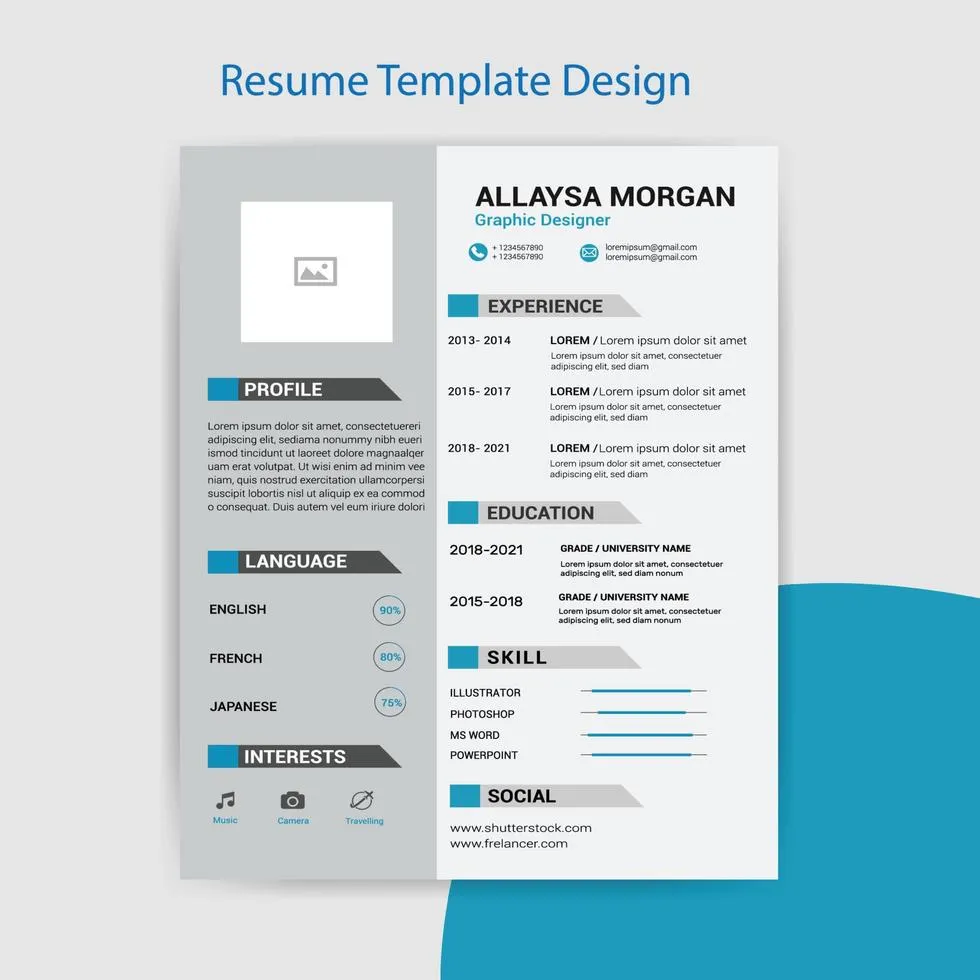
Cover Letter The Key to Job Application
In the competitive job market, a well-crafted cover letter is your key to unlocking interview opportunities. A cover letter is more than just a formality; it’s your chance to make a strong first impression, demonstrate your enthusiasm, and highlight why you’re the perfect fit for the role. A great cover letter complements your resume, providing context, showcasing your personality, and illustrating your unique value proposition. It allows you to tell a story about your career aspirations and how your skills align with the employer’s needs. Taking the time to format a cover letter correctly shows professionalism and attention to detail, key qualities that employers seek. By understanding the essential elements and following best practices, you can create a cover letter that captures attention and sets you apart from other applicants, increasing your chances of landing your dream job. Remember, each cover letter should be customized to the specific job, reflecting the requirements and culture of the company you are applying to.
Cover Letter Structure The Essential Elements
A well-structured cover letter is crucial for conveying your message effectively. A cover letter should include specific elements, starting with your contact information at the top, followed by the recipient’s details, a professional salutation, a compelling body, and a strong closing. Each component serves a unique purpose, contributing to the overall impact of your application. Ensuring that your cover letter follows a clear and logical structure helps the hiring manager easily understand your qualifications and why you’re a good match for the role. Avoid vague phrasing, and always proofread your work. Properly structuring your letter enhances its readability and allows you to make the best possible impression, helping you to stand out from other candidates.
Your Contact Information

Start your cover letter by including your full name, phone number, email address, and optionally, your LinkedIn profile URL. This information should be clearly presented at the top of the document, usually left-aligned. Make it easy for the hiring manager to contact you, ensuring they have all the necessary details at their fingertips. Double-check for any errors in your contact information, as even a small mistake can prevent you from being contacted. Keeping your contact information concise and accurate is a basic but crucial step in formatting your cover letter.
Recipient’s Information
Directly below your contact information, include the hiring manager’s name, their title, the company name, and the company’s address. Researching the specific person to whom you should address your letter demonstrates initiative and attention to detail. If you can’t find the hiring manager’s name, address the letter to the hiring team or the relevant department. Using the correct recipient information shows you’ve taken the time to personalize your application, which can set you apart. Always double-check this information for accuracy.
Salutation
Start your cover letter with a professional salutation. “Dear Mr./Ms./Mx. [Last Name]” is ideal if you know the hiring manager’s name. Avoid generic greetings like “To Whom It May Concern.” If you can’t find a specific name, use a more general but still professional greeting, such as “Dear Hiring Manager” or “Dear [Company Name] Team.” The salutation sets the tone for the rest of your letter, so making a strong first impression here is very important.
Body Paragraphs Crafting Your Message

The body of your cover letter is where you make your case. It should consist of three or four paragraphs, each addressing a specific aspect of your qualifications and your interest in the position. Each paragraph should have a clear focus, providing compelling information that convinces the employer that you are a strong candidate. Make sure your writing is clear, concise, and free of errors. Keep your tone enthusiastic and professional, emphasizing how your skills and experiences align with the job requirements and the company’s values. Your goal is to showcase your value, demonstrating why you’re a perfect fit. The body is your chance to truly shine and leave a lasting impact.
First Paragraph Grab Their Attention
Start your first paragraph with a strong opening that grabs the hiring manager’s attention. State the position you are applying for and where you found the job posting. Briefly explain why you are interested in the role and the company. If you have a connection to the company or a unique selling point, mention it here. This paragraph should quickly capture the reader’s interest and give them a reason to continue reading. Make sure the first paragraph is concise and to the point, clearly stating your purpose and setting a positive tone for your cover letter.
Second Paragraph Showcase Your Skills
In the second paragraph, highlight your most relevant skills and experiences. Focus on how your qualifications align with the job description. Provide specific examples of your achievements, using the STAR method (Situation, Task, Action, Result) to illustrate your impact. Quantify your accomplishments whenever possible (e.g., “Increased sales by 15%”). This paragraph should demonstrate what you can bring to the company and why you are a valuable candidate. Tailor this section to match the specific requirements outlined in the job description, ensuring your skills and experiences are directly relevant.
Third Paragraph Why You’re the Right Fit

Use the third paragraph to explain why you are particularly interested in the company and the role. Demonstrate that you have researched the company and understand its mission, values, and culture. Explain why this specific opportunity aligns with your career goals. Show your enthusiasm and enthusiasm for the company by mentioning specific aspects that appeal to you. Articulating your genuine interest in the position and the company shows you are more than just qualified; you are a dedicated candidate who is likely to become a valuable asset to the team.
Closing Paragraph Call to Action
Conclude your letter with a strong call to action. Express your enthusiasm for the opportunity and reiterate your interest in an interview. Thank the hiring manager for their time and consideration. Indicate your availability for an interview and how they can contact you (e.g., via phone or email). End on a positive note, reinforcing your eagerness to discuss your qualifications further. This paragraph summarizes your key selling points and clearly indicates your next steps, providing a clear direction to the employer.
Complimentary Close
Use a professional closing such as “Sincerely,” “Best regards,” or “Yours sincerely.” Ensure your closing matches the tone of your letter. After the closing, leave a few lines for your signature if you are submitting a hard copy. If submitting electronically, type your full name below the closing. This part of your cover letter shows your professionalism and adds a polished finish to the document. The complimentary close should be courteous and professional, completing your application.
Cover Letter Formatting Guidelines

Formatting your cover letter correctly is essential for professionalism and readability. Proper formatting guides the reader, ensuring they can easily navigate your content. Consistency in font, margins, and spacing ensures that your cover letter looks polished, which creates a good first impression. Paying attention to formatting guidelines demonstrates your attention to detail, which is a key trait employers seek. By following these guidelines, you make sure your cover letter is both easy to read and visually appealing.
Font and Size
Choose a clear and readable font like Times New Roman, Arial, or Calibri. Use a font size between 10 and 12 points to ensure your text is easily legible. Avoid using overly stylized fonts, which can make your letter difficult to read. Maintain consistency in font size and style throughout the document. The right font and size will enhance the readability and overall professional appearance of your cover letter.
Margins and Spacing
Use standard 1-inch margins on all sides of the document. This provides ample white space, making your letter less cluttered and more readable. Use single-line spacing for the body of your letter and double spacing between paragraphs. Proper spacing enhances readability. Consistent margins and spacing contribute to a clean, professional look that makes it easier for the hiring manager to focus on your qualifications.
Proofreading

Proofread your cover letter carefully for any grammatical errors, typos, and punctuation mistakes. Errors can undermine your professionalism and create a negative impression. Use a grammar checker and have a friend or family member review your letter as well. Make sure that your letter is concise, clear, and easy to understand. Proofreading is a critical step to ensure that your cover letter effectively conveys your qualifications and enthusiasm. This also shows the level of care and attention that you put into your application.
Cover Letter Best Practices
Following best practices is essential for maximizing the effectiveness of your cover letter. Best practices ensure you write an application that effectively showcases your value. Tailoring your cover letter to each job, using relevant keywords, and maintaining a professional tone will help you to stand out from the competition. These practices will help you make the best impression.
Tailoring Your Letter
Always tailor your cover letter to each specific job application. Customizing your letter shows you are genuinely interested in the role and the company. Review the job description carefully and highlight the skills and experiences most relevant to the position. Use the company’s language and demonstrate how your qualifications meet their needs. Customization is essential for demonstrating your understanding of the job and the company, making it a unique application.
Keywords and Relevance

Incorporate relevant keywords from the job description into your cover letter. Using keywords will help your letter get past Applicant Tracking Systems (ATS) and catch the hiring manager’s attention. Be sure to naturally integrate these keywords into your writing, avoiding keyword stuffing, which can make your letter sound unnatural. Focus on keywords that highlight your skills and experiences, showing the employer you’re a strong match for the role.
The Importance of Tone
Maintain a professional and enthusiastic tone throughout your cover letter. Use a formal, yet friendly, language. Showcase your enthusiasm for the position and the company. Avoid being overly casual or using slang. Your tone should reflect your professionalism and your genuine interest in the opportunity. A positive tone can make you more memorable and make the hiring manager want to find out more about your skills and abilities.