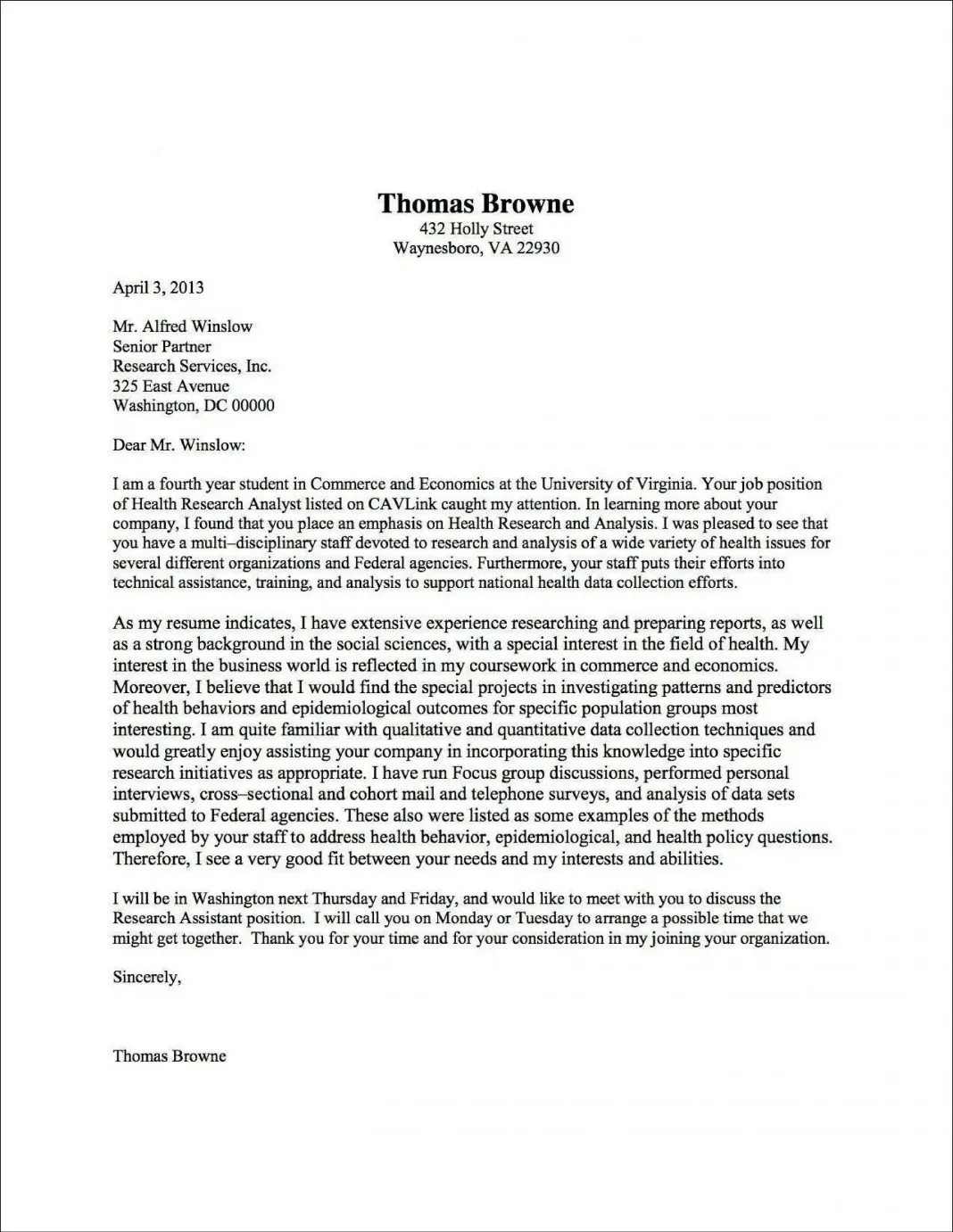
What is a Cover Letter (and Why Do You Need One)
A cover letter is a crucial document that accompanies your resume when you apply for a job. Think of it as your first impression, a personalized introduction that allows you to expand on your resume and showcase your personality, skills, and enthusiasm for the position. While a resume provides a summary of your experience, a cover letter offers a chance to tell a story, connecting your qualifications with the specific requirements of the job and the needs of the employer. In today’s competitive job market, a well-crafted cover letter can significantly increase your chances of landing an interview. It’s your opportunity to stand out from the crowd and demonstrate why you are the ideal candidate.
The Purpose of a Cover Letter
The primary purpose of a cover letter is to persuade the hiring manager to read your resume and consider you for the job. It provides context to your resume, explaining why you’re interested in the specific role and company. It also allows you to highlight your relevant skills and experiences in a way that directly addresses the job requirements. A cover letter also demonstrates your writing and communication skills, as well as your understanding of the company and the industry. Ultimately, it aims to create a connection with the employer, showing that you are not just a qualified applicant but also a good fit for their team and culture. It’s a tool to humanize your application and showcase your personality.
Key Components of a Cover Letter

A strong cover letter typically includes several key components that work together to create a compelling narrative. These include a clear header with your contact information, a personalized greeting to the hiring manager (if possible), a captivating opening paragraph that grabs the reader’s attention, body paragraphs that showcase your relevant skills and experiences, a closing paragraph with a call to action, and a professional closing with your signature. Each element plays a vital role in conveying your qualifications, enthusiasm, and suitability for the position. A well-structured letter is easy to read, engaging, and leaves a lasting positive impression.
How to Structure Your Cover Letter
Structuring your cover letter effectively is crucial for clarity and impact. A well-organized letter is easier to read and allows you to highlight your key strengths effectively. The structure should flow logically, guiding the reader through your qualifications and demonstrating your suitability for the role. It also enhances the overall presentation of your application, ensuring it is professional and polished. A clear structure enables you to present your information in a concise and persuasive manner.
Header and Contact Information
Start your cover letter with a professional header that includes your full name, contact information (phone number and email address), and the date. You may also include your LinkedIn profile URL or your professional website if you have one. Ensure that your contact information is accurate and up-to-date, as this is how the hiring manager will reach you. Using a clean and organized header sets a professional tone from the beginning and makes it easy for the recruiter to contact you if they are interested.
Addressing the Hiring Manager

Whenever possible, address your cover letter to a specific person by name. Research the hiring manager’s name and title on the company website or LinkedIn. Using a name shows that you have taken the time to learn about the company and that you are genuinely interested in the role. If you cannot find a specific name, use a general greeting like “Dear Hiring Manager” or “Dear [Department Name] Team”. Avoid generic greetings like “To Whom It May Concern”, as they can make your application seem impersonal. Addressing the letter to a person makes your application more engaging and shows initiative.
Opening Paragraph Hooking the Reader
The opening paragraph is your chance to grab the reader’s attention. Start with a strong statement that highlights your interest in the role and the company. Briefly mention your relevant qualifications and what excites you about the opportunity. Avoid generic openings such as “I am writing to express my interest…” Instead, try to connect your skills and experience to the job’s requirements. Consider mentioning a specific accomplishment or a reason why you are passionate about the role. Your opening should immediately demonstrate why you are a good fit and encourage the hiring manager to read on.
Body Paragraphs Showcasing Your Skills
The body of your cover letter is where you demonstrate your skills and experience in relation to the job requirements. Provide specific examples of how your past experiences have prepared you for this role. Explain how you have used your skills to achieve results in previous positions. Focus on the skills and experiences that align with the job description. Use action verbs to describe your accomplishments and quantify your achievements whenever possible. This part of the letter should convince the employer that you are the ideal candidate and that you have what it takes to succeed in the role.
Highlighting Relevant Skills

Carefully review the job description and identify the key skills the employer is looking for. Tailor your cover letter to highlight these skills. Use specific examples to show how you have demonstrated these skills in the past. This might include communication, problem-solving, leadership, or technical skills. By highlighting relevant skills, you show that you have the qualities necessary to excel in the position. Use the same keywords the employer has used to make it easier for them to see the match between your skills and the job requirements.
Quantifying Achievements
Whenever possible, quantify your achievements to demonstrate your impact. Instead of saying “I improved sales,” say “I increased sales by 15% in one quarter.” Use numbers, percentages, and data to illustrate your successes. This gives the hiring manager a clear understanding of your accomplishments. Quantifying your achievements provides tangible evidence of your abilities and makes your application more compelling. It helps the hiring manager to quickly understand the value you can bring to the company.
Closing Paragraph Call to Action
In the closing paragraph, reiterate your interest in the role and the company. Express your enthusiasm for the opportunity and briefly summarize why you are a good fit. Include a call to action, such as expressing your availability for an interview and providing your contact information again. Make it easy for the hiring manager to take the next step by making your intentions clear. Reiterate your appreciation for their time and consideration. A strong closing leaves a positive impression and encourages the employer to contact you.
Formatting and Design Tips

The formatting and design of your cover letter are just as important as the content. A well-formatted letter is easy to read and makes a positive first impression. It demonstrates your professionalism and attention to detail. Proper formatting also ensures that the content is presented clearly and concisely, making it easier for the hiring manager to quickly grasp your key qualifications.
Choosing the Right Font
Choose a professional and easy-to-read font such as Times New Roman, Arial, Calibri, or Helvetica. The font size should be between 10 and 12 points. Avoid using overly decorative or unusual fonts, as they can be distracting and make your letter harder to read. Ensure consistency throughout the document. Use a simple, clean font to maintain a professional appearance that is easily readable. This shows respect for the hiring manager’s time and makes your application more user-friendly.
Maintaining Professional Tone and Grammar
Use a professional tone throughout your cover letter. Avoid slang, jargon, and overly casual language. Use correct grammar, spelling, and punctuation. Proofread your letter carefully before submitting it. Ensure your writing is clear, concise, and free of errors. A well-written cover letter demonstrates your attention to detail and your ability to communicate effectively. It is a reflection of your professionalism and commitment to quality. Proper grammar and tone show respect for the employer.
Proofreading Your Cover Letter

Always proofread your cover letter carefully before submitting it. Check for spelling errors, grammatical mistakes, and typos. Read the letter aloud to catch any awkward phrasing or inconsistencies. Consider having a friend or family member review your letter as well. Even small errors can detract from your professionalism and credibility. Thorough proofreading ensures that your cover letter is polished and error-free. It demonstrates your attention to detail and commitment to presenting yourself in the best possible light.
Cover Letter Examples and Samples
Reviewing cover letter examples and samples can help you understand how to effectively communicate your qualifications and tailor your letter to different types of jobs and industries. These examples provide a starting point and help you visualize how to structure and format your own cover letter. Consider what aspects you want to highlight based on the job descriptions and adjust the tone and style accordingly.
Entry-Level Cover Letter Sample
An entry-level cover letter should highlight your academic achievements, relevant coursework, internships, and any volunteer experience. Focus on any transferable skills you’ve gained. Showcase your eagerness to learn and your potential. Emphasize your enthusiasm and willingness to take on new challenges. Be specific about why you are interested in the company and the role. A clear and concise entry-level cover letter is an excellent way to introduce yourself to prospective employers.
Mid-Career Professional Cover Letter Sample

A mid-career cover letter should emphasize your professional experience, achievements, and career progression. Quantify your accomplishments whenever possible. Demonstrate your ability to take on increased responsibility and to contribute meaningfully to the organization. Highlight your skills, expertise, and your commitment to professional development. Focus on how your previous experiences align with the requirements of the new role. A well-written mid-career cover letter will position you as a valuable asset to the company.
Executive-Level Cover Letter Sample
An executive-level cover letter should reflect your leadership abilities, strategic thinking, and significant accomplishments. Showcase your experience in managing teams, driving business results, and leading organizational change. Focus on your ability to make high-level decisions and to influence stakeholders. Use data and metrics to quantify your achievements and demonstrate your impact. Highlight your vision, experience, and ability to add value to the company’s strategic goals. An effective executive-level cover letter is a powerful tool to get the attention of the hiring manager.
Common Mistakes to Avoid
Avoiding common mistakes in your cover letter is crucial to making a positive impression. Small errors can lead to your application being overlooked. Pay close attention to detail and ensure your letter is polished and professional. A well-written cover letter that avoids mistakes is more likely to catch the attention of the hiring manager. Taking the time to review your letter before submitting it can greatly improve your chances of getting the job.
Generic Cover Letters

Avoid using a generic cover letter that is not tailored to the specific job and company. Recruiters can spot these quickly. Tailor your letter to the specific role and company. Research the company and tailor your letter to the specific requirements. Generic letters show a lack of interest and effort. A personalized letter demonstrates your genuine interest in the company and shows you took the time to understand the role and their needs. A tailored letter increases your chances of landing an interview.
Typos and Grammatical Errors
Typos and grammatical errors can damage your credibility and make your application look unprofessional. Always proofread your cover letter carefully before submitting it. Use spell-check and grammar-check tools, but don’t rely on them entirely. Read the letter aloud to catch any awkward phrasing or inconsistencies. A clean, error-free cover letter shows that you pay attention to detail. Make a good first impression by ensuring your letter is clear and well-written. This makes the application process smoother.
Ignoring the Job Description
Ignoring the job description is a major mistake. Carefully read the job description and tailor your cover letter to address the specific requirements. Highlight the skills and experiences that the employer is looking for. Use keywords from the job description to help your application get noticed. Failing to address the requirements shows a lack of attention to detail. A cover letter that directly addresses the job description demonstrates that you are a great fit. This increases your chances of securing an interview.
Cover Letter Optimization for ATS
Applicant Tracking Systems (ATS) are used by many companies to screen resumes and cover letters. To optimize your cover letter for ATS, use keywords from the job description, and keep your formatting simple and clean. Avoid using images, tables, and complex formatting. Use a standard font and font size. By optimizing your cover letter, you increase the chances that it will be properly read by the ATS. Make sure your application passes through the system. This is essential to ensure that your application is seen by the hiring manager.