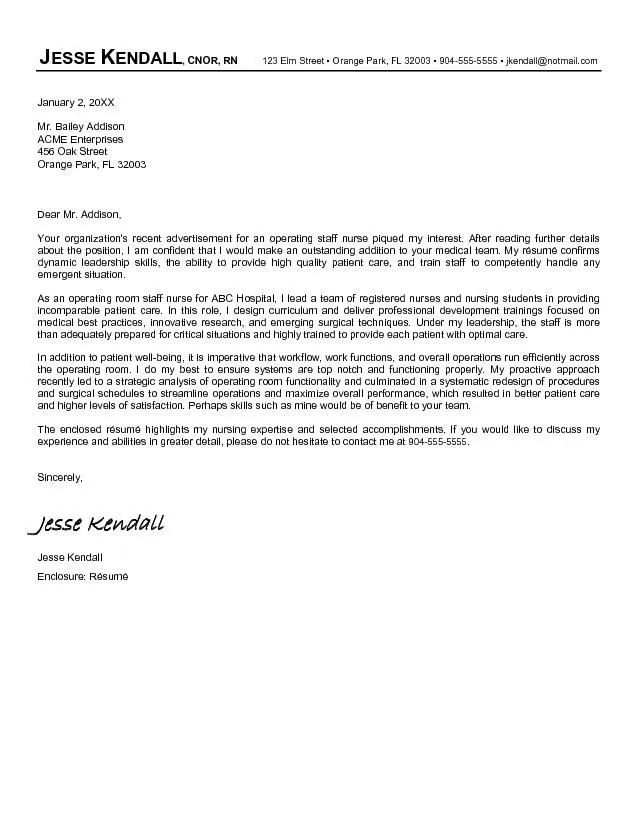
What is a Cover Letter?
A cover letter is a crucial document accompanying your resume when applying for a job. It serves as an introduction to your application, providing an opportunity to elaborate on your skills, experience, and your genuine interest in the specific role and company. It’s your chance to make a strong first impression and persuade the hiring manager to review your resume in detail. A well-crafted cover letter demonstrates your communication skills, personality, and your understanding of the job requirements. It’s not merely a repetition of your resume; it’s a narrative that connects your qualifications to the employer’s needs.
Why Is a Cover Letter Important?
In the competitive job market, a cover letter can be the deciding factor between getting an interview and getting passed over. It allows you to highlight the specific skills and experiences most relevant to the job, going beyond the bullet points of your resume. It also shows your personality and enthusiasm, which can be difficult to convey in a resume. Many employers use cover letters to assess your writing skills, attention to detail, and ability to communicate effectively. A well-written cover letter also shows that you’ve taken the time to research the company and understand the role, which demonstrates your genuine interest.
Key Components of a Cover Letter

Header of Your Cover Letter
The header of your cover letter sets the stage for a professional document. It provides essential contact information for both you and the recipient. A clear and organized header helps the hiring manager quickly identify you and how to reach you. The header should match the style and information included in your resume for consistency. Ensure that the header is properly formatted and easy to read; it’s the first impression you make, so make it count.
Your Contact Information
Your contact information should include your full name, phone number, email address, and optionally, your LinkedIn profile URL or a link to your online portfolio. This information should be clearly presented at the top, usually left-aligned. Make sure your email address is professional and that your voicemail greeting is also professional and clear. The goal is to make it easy for the hiring manager to contact you, so accuracy is crucial.
Date

Below your contact information, include the date you are writing the cover letter. This helps the hiring manager understand when you applied for the position and shows that the letter is current. The date should be formatted consistently with the rest of your document, typically in the month-day-year format (e.g., January 20, 2024). This small detail demonstrates your attention to detail and professionalism.
Recipient’s Information
Include the hiring manager’s name and title, the company name, and the company’s address if you have it. Addressing the letter to a specific person is always preferable, as it shows that you’ve taken the time to research the company. If you can’t find the hiring manager’s name, use a general salutation, but try to find the appropriate contact person, for example, on LinkedIn or the company website.
The Salutation
The salutation is your opening greeting. If you know the hiring manager’s name, use “Dear Mr./Ms./Mx. [Last Name]”. If you don’t know the name, use a professional greeting like “Dear Hiring Manager” or “Dear [Department Name] Team”. Avoid overly casual greetings. A proper salutation sets a professional tone for the rest of your letter and shows respect.
Body Paragraphs of a Cover Letter

The body paragraphs are where you sell yourself to the hiring manager. This section should be concise and focused, highlighting your relevant skills and experience. It’s crucial to tailor each paragraph to the specific job description and the company’s needs. Your goal is to demonstrate how your skills and experiences align with the job requirements and how you can contribute to the company’s success.
First Paragraph: Introduction
Start your cover letter with a strong opening. State the position you’re applying for and where you found the job posting. Briefly mention why you’re interested in the position and the company. Show enthusiasm and a clear understanding of the job requirements. Make a strong first impression by immediately grabbing the reader’s attention and indicating your suitability for the role.
Second Paragraph: Showcasing Your Skills
In the second paragraph, highlight your key skills and experiences that align with the job requirements. Provide specific examples of how you’ve used these skills in previous roles and the results you achieved. Use action verbs to describe your accomplishments and quantify your achievements whenever possible. Tailor this paragraph to the specific skills and keywords mentioned in the job description. Focus on what you can bring to the company.
Third Paragraph: Expressing Enthusiasm

In the third paragraph, express your genuine interest in the company and the role. Explain why you’re excited about the opportunity and what attracts you to the company’s mission, values, or culture. Show that you’ve researched the company and understand its goals. This demonstrates your commitment and makes a stronger impression. Expressing enthusiasm can set you apart from other candidates.
Fourth Paragraph: Call to Action
End your cover letter with a clear call to action. Reiterate your interest in the position and express your availability for an interview. Thank the hiring manager for their time and consideration. Provide your contact information again and state your eagerness to discuss your qualifications further. This paragraph should reinforce your enthusiasm and prompt the hiring manager to take the next step.
Closing of Your Cover Letter
The closing of your cover letter should be professional and leave a positive final impression. It should include a complimentary close, your signature (if submitting a physical copy), and your typed name. The closing reinforces your professionalism and leaves the reader with a positive image of you as a potential employee.
Complimentary Close

Choose a professional complimentary close, such as “Sincerely”, “Best regards”, or “Respectfully”. Avoid informal closings like “Thanks” or “Cheers.” The complimentary close should match the tone of your entire cover letter. Ensure it is followed by a comma to complete the closing properly.
Your Signature
If you are submitting a digital cover letter, you can simply type your name. However, if you are submitting a physical copy, you should sign your name above your typed name. This signature adds a personal touch and reinforces the professionalism of the document. Ensure your signature is clear and legible.
Format of Your Cover Letter
The formatting of your cover letter is critical for readability and a professional appearance. Pay close attention to font choice, margins, spacing, and overall layout. A well-formatted cover letter is easier to read and leaves a positive impression. Proper formatting shows that you pay attention to detail and understand professional communication standards.
Font and Formatting Guidelines

Use a professional and easy-to-read font, such as Times New Roman, Arial, or Calibri, with a font size between 10 and 12 points. Ensure consistency throughout the document. Use bolding sparingly for emphasis. Avoid using overly decorative fonts. A clean, professional font enhances readability. Make sure the formatting is consistent with your resume.
Page Margins and Spacing
Set margins to 1 inch on all sides to ensure the document looks balanced. Use single or 1.15 line spacing for the body of the letter and double spacing between paragraphs. Proper spacing makes the document easy to read and visually appealing. Ensure the document is well-organized and not overcrowded. A well-spaced cover letter demonstrates attention to detail.
Common Mistakes to Avoid
Avoiding common mistakes can significantly improve the effectiveness of your cover letter. Pay close attention to detail and proofread carefully. Common errors can detract from your qualifications and give the impression that you are not detail-oriented or that you lack interest in the position. A polished cover letter makes a strong positive impact.
Typos and Grammatical Errors
Typos and grammatical errors can immediately damage your credibility. Proofread your cover letter carefully and use a grammar checker to catch any mistakes. Have a friend or family member review your letter as a second pair of eyes can help identify errors you might miss. Errors can make you appear careless or unprofessional. Accuracy is key in professional communication.
Generic Cover Letters
Sending a generic cover letter that isn’t tailored to the specific job or company shows a lack of interest. Always customize your cover letter to match the job description and company values. Research the company and demonstrate how your skills and experience align with their needs. Generic letters give the impression that you are sending the same application to every job and are less likely to get attention.
Cover Letter Samples and Examples
Reviewing cover letter samples can give you valuable insights into formatting, content, and tone. Adapt the samples to your specific situation and ensure they reflect your unique qualifications. Remember that the best cover letter is tailored to the specific role and company. Make sure the examples fit your industry and experience.
Cover Letter for Marketing Job
When applying for a marketing job, highlight your experience with marketing campaigns, social media management, and data analysis. Showcase your understanding of the target audience and your ability to drive results. Quantify your achievements whenever possible, such as increasing website traffic or improving conversion rates. Mention your skills in SEO, content creation, and digital advertising.
Cover Letter for Software Engineer
For software engineering positions, emphasize your technical skills, such as programming languages, development tools, and software design. Mention any relevant projects or contributions to open-source projects. Showcase your problem-solving abilities and your experience working in a team environment. Mention specific technologies used by the company to show relevance.
Cover Letter for Project Manager
When applying for a project manager role, focus on your project management methodologies, such as Agile or Scrum. Highlight your experience managing projects, budgets, and teams. Mention your communication, leadership, and organizational skills. Provide examples of successful projects you’ve managed and the results you achieved. Show your ability to oversee and coordinate various elements of a project effectively.
Tips for Customizing Your Cover Letter
Customizing your cover letter is essential for making a strong impression. Taking the time to personalize each letter to the job and company can significantly improve your chances of getting an interview. This section provides guidance on how to tailor your cover letter to each specific application.
Tailoring to the Job Description
Carefully review the job description and identify the key skills and qualifications the employer is seeking. Use these keywords and phrases in your cover letter to demonstrate that you meet the requirements. Provide specific examples of how your skills and experience align with the job description. Tailor each paragraph to address the specific responsibilities outlined in the job posting.
Researching the Company
Before writing your cover letter, research the company’s mission, values, and culture. Show that you understand the company’s goals and how you can contribute to their success. Mention specific projects or initiatives the company is working on that interest you. Tailor your letter to align with the company’s brand and values. Researching the company demonstrates genuine interest and initiative.
Cover Letter - FAQ
Here are answers to common questions about cover letters. Understanding these answers can help you avoid common mistakes and improve your cover letter-writing skills. These FAQs offer concise advice and clarification on various aspects of cover letters, ensuring your application stands out.