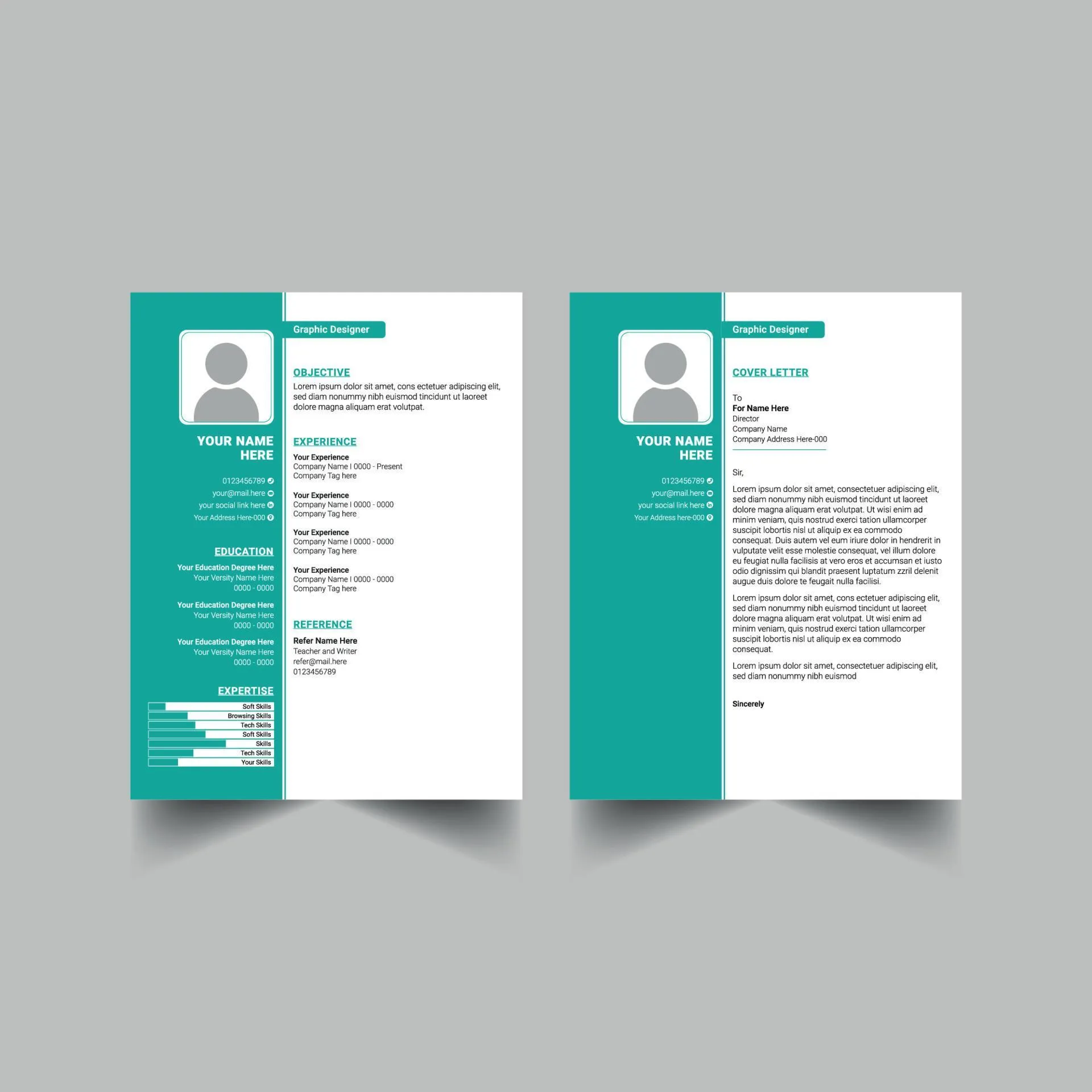
What is a Cover Letter and Why Do You Need One
A cover letter serves as your personal introduction to a potential employer, accompanying your resume and providing a more detailed view of your qualifications and personality. It’s a critical tool in your job application arsenal, offering you a valuable opportunity to make a strong first impression and differentiate yourself from other candidates. Think of it as your chance to tell a story about why you’re the best fit for the role, going beyond the bullet points of your resume.
The Importance of a Cover Letter
In today’s competitive job market, a well-crafted cover letter can significantly increase your chances of landing an interview. It demonstrates your genuine interest in the position and the company, showcasing your communication skills and your understanding of the role. Employers often use cover letters to assess a candidate’s writing ability, attention to detail, and overall fit within the company culture. A strong cover letter helps you stand out by highlighting your unique skills and experiences and providing context to your resume.
Understanding the Purpose of a Cover Letter

The primary purpose of a cover letter is to persuade the hiring manager to read your resume and consider you for an interview. It’s your chance to briefly introduce yourself, explain why you’re interested in the specific role, and connect your skills and experiences to the job requirements. By addressing the specific needs of the employer and demonstrating your understanding of the company, you can increase your chances of making a positive first impression. It allows you to elaborate on your qualifications and express your enthusiasm for the opportunity.
Key Elements of a Simple Cover Letter
A well-structured cover letter consists of several key elements that work together to present a compelling case for your candidacy. These elements include your contact information, a personalized greeting, an introductory paragraph expressing your interest, body paragraphs that highlight your skills and accomplishments, a closing paragraph with a call to action, and a professional sign-off. Each section plays a crucial role in conveying your qualifications and making a memorable impression.
Contact Information
Begin your cover letter by including your full name, address, phone number, and professional email address at the top. This ensures that the hiring manager knows how to contact you. Make sure your contact information is current and accurate. Using a professional-sounding email address is essential; avoid using nicknames or unprofessional handles. Ensure it’s easily readable and clearly presented for quick reference.
Greeting the Hiring Manager

Address the hiring manager or the specific person mentioned in the job posting whenever possible. This shows that you’ve done your research and are taking the time to personalize your application. If you can’t find a specific name, a general greeting like “Dear Hiring Manager” or “Dear [Company Name] Team” is acceptable. Avoid generic greetings like “To Whom It May Concern,” as they can make your letter feel less engaging. Always use a formal and respectful tone.
Body Paragraph 1: Express Your Interest
Start the first paragraph by clearly stating the position you are applying for and where you saw the job posting. Briefly express your enthusiasm for the role and the company. This opening paragraph should capture the reader’s attention and provide a clear indication of your intentions. It should be concise and immediately convey your purpose for writing and your initial interest in the opportunity.
Body Paragraph 2: Highlight Your Skills
In the subsequent body paragraphs, connect your skills and experiences to the job requirements. Provide specific examples of how you’ve demonstrated these skills in previous roles or projects. Use action verbs to describe your accomplishments and quantify your results whenever possible. Focus on the skills that align with the job description to demonstrate your qualifications and fit for the role. Emphasize relevant achievements and how you can contribute to the company’s goals.
Body Paragraph 3: Showcase Your Accomplishments

Expand on your accomplishments by providing concrete examples that highlight your successes. Quantify your achievements whenever possible to demonstrate the impact you’ve made in previous roles. For instance, mention how you increased sales by a certain percentage, reduced costs, or improved efficiency. Use this section to provide compelling evidence of your value and how you can contribute to the company’s success. Tailor these examples to directly address the needs and expectations of the specific role.
Closing and Call to Action
Conclude your cover letter by restating your interest in the position and expressing your eagerness for an interview. Thank the hiring manager for their time and consideration. Include a clear call to action, such as stating that you look forward to discussing your qualifications further. End with a professional closing, such as “Sincerely” or “Best regards,” followed by your typed name. Review and ensure your closing reflects your enthusiasm and professionalism.
Formatting Your Cover Letter for Success
The format of your cover letter is crucial to its overall presentation and readability. A well-formatted cover letter is easy on the eyes and makes a positive impression. Pay attention to your choice of font, margins, spacing, and overall layout. Ensure that your cover letter looks professional and clean, as this reflects your attention to detail and commitment to quality. Proper formatting makes it easier for the hiring manager to scan and quickly understand your key qualifications.
Choosing the Right Font and Font Size

Select a professional and readable font, such as Times New Roman, Arial, or Calibri. Maintain a consistent font throughout the entire document. Choose a font size between 10 and 12 points for readability. Avoid using overly decorative fonts or excessively large or small font sizes. The font should be easy to read, reflecting your professionalism. Stick to standard fonts that hiring managers are familiar with.
Proper Margins and Spacing
Set your margins to be one inch on all sides to create a balanced and visually appealing layout. Use single spacing within paragraphs and double spacing between paragraphs to enhance readability. Avoid large blocks of text, as they can be difficult to read. Proper spacing ensures that your cover letter is easy to scan and presents a professional image. Consider using a clean layout with sufficient white space to avoid a cluttered appearance.
Proofreading and Editing Your Cover Letter
Before submitting your cover letter, carefully proofread it for any spelling, grammar, or punctuation errors. These errors can detract from your professionalism. Consider using a spell-checker and grammar-checker, but always review the results carefully. It can be helpful to have a friend or family member review your letter for any errors you may have missed. Ensure the language is clear, concise, and error-free to convey a polished and professional image. A well-edited cover letter demonstrates your attention to detail.
Tips for Tailoring Your Cover Letter

Customizing your cover letter for each job application is essential. Generic cover letters will not stand out. Tailoring your cover letter shows the hiring manager that you have taken the time to understand the specific requirements of the role and are genuinely interested in the company. This personalization significantly increases your chances of getting noticed and securing an interview. Focus on the most relevant skills and experiences that align with the job description.
Researching the Company and the Role
Before writing your cover letter, research the company to understand its mission, values, and culture. Explore the company’s website, social media profiles, and recent news articles. Understand the specific requirements and responsibilities outlined in the job description. Demonstrate that you understand the company’s needs and how your skills align with them. Tailor your cover letter to reflect your knowledge of the company and its goals.
Matching Your Skills to the Job Requirements
Carefully review the job description and identify the key skills and qualifications the employer is seeking. Highlight the skills and experiences from your resume that directly match these requirements. Provide specific examples that demonstrate how you’ve utilized those skills in the past. The best way to highlight is to use keywords from the job description, demonstrating a clear understanding of the role and an ability to fulfill its demands.
Using Keywords from the Job Description

Incorporate keywords from the job description throughout your cover letter. This will help your application get noticed by applicant tracking systems (ATS) and demonstrates that you have the required skills and qualifications. Use these keywords naturally within your sentences, rather than simply listing them. By integrating the terms organically, you ensure that your cover letter is both informative and engaging. Using the right keywords shows your understanding of the role.
Common Mistakes to Avoid
Several common mistakes can undermine the effectiveness of your cover letter. Avoid these pitfalls to ensure your application makes a positive impression. Pay close attention to detail, and take the time to refine your cover letter to avoid any negative implications. By correcting these mistakes, you can create a compelling cover letter that effectively showcases your qualifications and enthusiasm for the job.
Generic Cover Letters
Avoid using generic cover letters that could be sent to any company or role. Tailor each cover letter to the specific job you are applying for. Generic letters demonstrate a lack of interest and do not make a strong impression. Instead, focus on highlighting the aspects of your experience and skills that align with the particular role. Personalize the greeting and show your understanding of the company’s needs.
Typos and Grammatical Errors
Typos and grammatical errors can create a negative impression and undermine your credibility. Always proofread your cover letter carefully before submitting it. These errors show a lack of attention to detail and can make you appear unprofessional. Use spell-check and grammar-check tools, but also read your letter manually to catch any mistakes the software may have missed. A well-edited cover letter demonstrates your professionalism and commitment.
Lack of Customization
Avoid simply repeating your resume. Your cover letter should expand on your accomplishments and demonstrate your unique qualifications. Customize your cover letter by tailoring it to the specific role and company. Highlight the skills and experiences most relevant to the job, and show a genuine interest in the company. Demonstrate that you are the perfect fit for the role. Take the time to explain your achievements and express enthusiasm for the opportunity.
Finalizing and Submitting Your Cover Letter
Once you’ve written and refined your cover letter, it’s time to finalize it and prepare it for submission. Double-check all the details, including your contact information, the hiring manager’s name, and the job title. Ensure your cover letter is in the correct format and ready to be submitted with your resume. Paying attention to these final details will help to ensure a seamless application process.
Saving Your Cover Letter in the Correct Format
Save your cover letter in a common and widely accepted file format, such as PDF. This format ensures that your formatting remains consistent across different devices and operating systems. Name your file in a professional manner, such as “Your Name_Cover Letter_Job Title.” This helps the hiring manager easily identify and open your cover letter. Avoid using unusual file formats that might not be compatible.
Submitting Your Cover Letter with Your Resume
Follow the application instructions carefully and submit your cover letter along with your resume. If the job posting asks for a specific file name or submission method, adhere to those instructions. When submitting your application online, upload both your cover letter and your resume as separate attachments or in the designated fields. Ensure both documents are attached and correctly formatted before submitting your application. Double-check and confirm that your application is complete before submitting it.