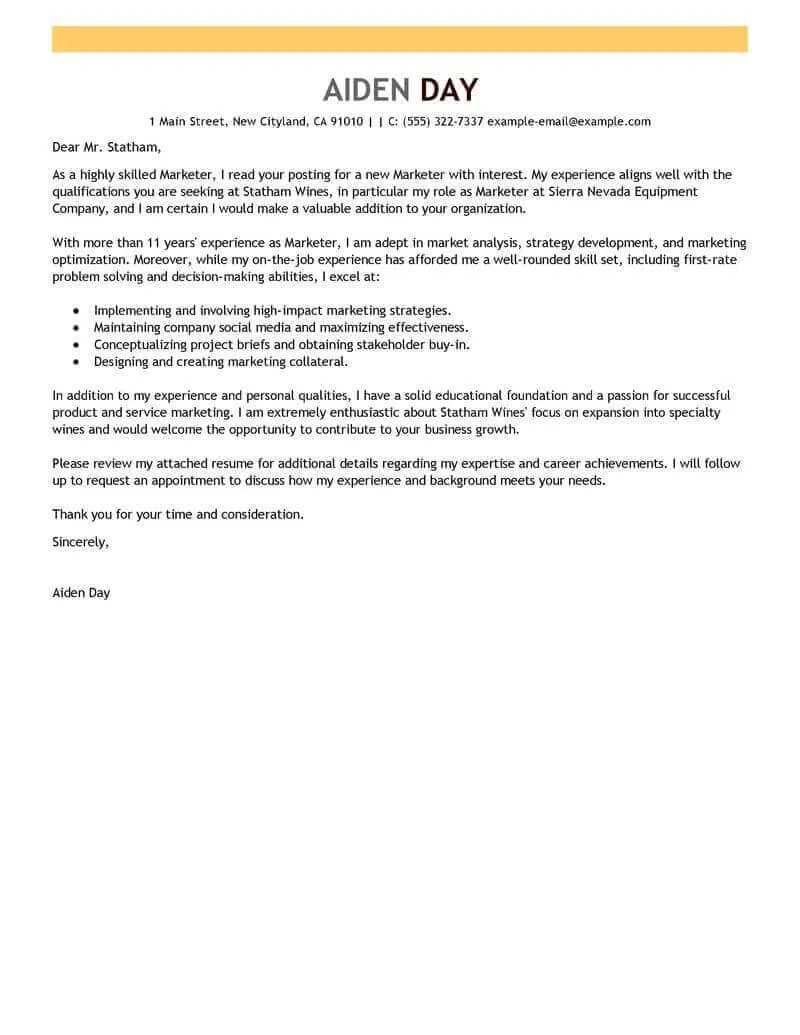
Understanding the Cover Letter
A cover letter is more than just a formality; it’s your first opportunity to make a strong impression on a potential employer. It serves as a personal introduction, providing context to your resume and highlighting your suitability for the role. Unlike a resume, which offers a factual overview of your qualifications, a cover letter allows you to demonstrate your personality, writing skills, and genuine interest in the position and the company. A well-crafted cover letter can significantly increase your chances of getting an interview, while a poorly written one can lead to your application being overlooked. Mastering the art of cover letter writing is therefore a crucial step in any successful job search.
Purpose of a Cover Letter
The primary purpose of a cover letter is to persuade the hiring manager to read your resume and consider you for an interview. It’s a marketing document, showcasing your value proposition and explaining why you’re the best candidate for the job. The cover letter allows you to connect your skills and experience directly to the specific requirements of the role. It also provides an opportunity to elaborate on any aspects of your resume that might need further explanation, such as career changes or gaps in employment. Furthermore, a cover letter allows you to demonstrate your knowledge of the company and your enthusiasm for the opportunity, setting you apart from other applicants who may only submit a resume.
Key Components of a Cover Letter
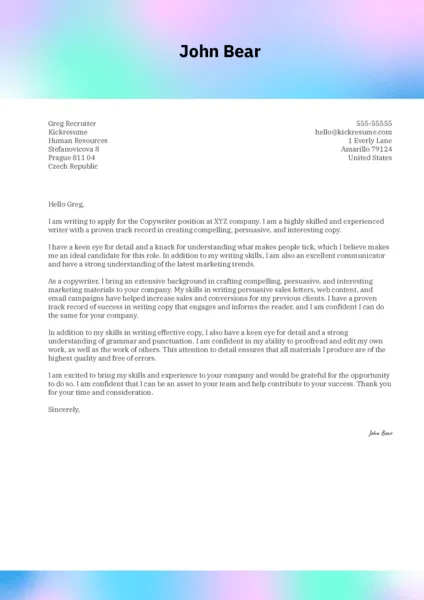
A well-structured cover letter typically includes several key components that work together to create a compelling narrative. These components work in tandem to deliver a clear and persuasive message to the hiring manager, increasing your chances of securing an interview. Each section plays a vital role in presenting your qualifications and expressing your enthusiasm for the opportunity. Understanding and effectively utilizing these components is key to crafting a cover letter that gets results.
Header Section
The header of your cover letter should include your contact information, making it easy for the employer to reach you. This section usually appears at the top left of the page and sets the professional tone for the rest of the letter. Ensure your contact details are accurate and up-to-date, as this is the primary way the employer will contact you for an interview or further communication. Presenting a clean and well-formatted header demonstrates your attention to detail and professionalism, qualities highly valued by employers.
Your Contact Information
Include your full name, address, phone number, and email address. It’s crucial that the contact information is accurate and professional. Double-check for any typos to avoid miscommunication.
Date

Place the date the cover letter is written below your contact information. This helps the employer keep track of when the application was submitted.
Recipient’s Information
Below the date, include the hiring manager’s name, title, and the company’s address. If possible, address the letter to a specific person; this shows that you’ve done your research and are genuinely interested in the position. If the name isn’t available, use a professional title like ‘Hiring Manager’.
Greeting/Salutation
Start your cover letter with a professional greeting. ‘Dear Mr./Ms./Mx. [Last Name]’ is a standard and respectful choice. If you don’t know the hiring manager’s name, use a general greeting like ‘Dear Hiring Manager’ or ‘Dear [Company Name] Team’. Avoid overly casual greetings like ‘Hi’.
Body Paragraphs

The body paragraphs are the heart of your cover letter, where you make your case for why you’re the ideal candidate. This is where you highlight your skills, experience, and enthusiasm for the role, connecting them directly to the job requirements. Each paragraph should serve a specific purpose, building a compelling narrative that captures the reader’s attention and demonstrates your value. Use clear, concise language and focus on providing concrete examples to support your claims. These paragraphs are your opportunity to showcase your unique qualifications and make a lasting impression.
First Paragraph [Grab Their Attention]
Your first paragraph should grab the reader’s attention and clearly state the position you’re applying for and how you found it. Briefly mention why you’re interested in the role and the company. Tailor this paragraph to each job application; generic introductions don’t make a strong impression. Express your enthusiasm for the opportunity and highlight a key skill or achievement that aligns with the job description. This is your chance to make a strong first impression and set the tone for the rest of the letter, enticing the reader to continue.
Second Paragraph [Showcase Skills]
In the second paragraph, elaborate on your skills and experience, focusing on how they match the job requirements. Provide specific examples of your accomplishments and quantify them whenever possible. Use action verbs to describe your responsibilities and achievements. Instead of simply listing your duties, explain what you achieved and the impact you made. Tailor this paragraph to highlight the skills and experiences that are most relevant to the specific job you’re applying for, referencing the job description to ensure alignment.
Third Paragraph [Express Enthusiasm]

The third paragraph should express your enthusiasm for the company and the role, demonstrating that you’ve researched the organization and understand its mission. Explain why you want to work there and what you can bring to the team. Mention something specific that excites you about the company or the role, such as a project, a company value, or an aspect of their culture. Show that you’re not just looking for any job, but that you’re genuinely interested in this specific opportunity.
Call to Action
In the call to action, reiterate your interest in the position and express your eagerness to discuss your qualifications further. State your availability for an interview and provide your contact information again. Keep this section brief and professional, thanking the hiring manager for their time and consideration. This is your final opportunity to reinforce your interest and encourage the employer to take the next step.
Closing
Conclude your cover letter with a professional closing. ‘Sincerely,’ ‘Best regards,’ or ‘Thank you’ are all appropriate choices. Ensure there is space for your signature, followed by your typed name. This closing section leaves a final positive impression and reinforces your professionalism.
Formatting and Design

The formatting and design of your cover letter are just as important as the content. A well-formatted letter is easy to read and demonstrates your attention to detail. Poor formatting can make your letter appear unprofessional and distract the reader from the substance of your message. By paying attention to these formatting details, you can create a polished and professional cover letter that makes a positive impression.
Font Selection and Size
Choose a professional and easy-to-read font like Times New Roman, Arial, or Calibri. Use a font size between 10 and 12 points. Ensure consistency throughout the document for a clean and polished look. Avoid overly decorative fonts, which can be distracting and make your letter harder to read. Legibility is key; the hiring manager should be able to quickly and easily read your cover letter.
Line Spacing and Margins
Use single or 1.15 line spacing and set 1-inch margins on all sides. This creates sufficient white space, making your letter visually appealing and easy to scan. Adequate spacing ensures that your cover letter doesn’t appear cramped or cluttered, which can be off-putting to the reader. Proper formatting enhances readability and helps your cover letter stand out.
Proofreading and Editing

Proofreading and editing are essential steps in the cover letter writing process. Errors in grammar, spelling, or punctuation can undermine your professionalism and credibility. A well-proofread cover letter demonstrates your attention to detail and commitment to quality. Taking the time to review your cover letter carefully can make a significant difference in how it’s perceived by potential employers.
Common Mistakes to Avoid
Several common mistakes can significantly diminish the effectiveness of your cover letter. Addressing these common pitfalls can help you craft a cover letter that stands out for the right reasons. By avoiding these errors, you can ensure that your cover letter is professional, persuasive, and makes a positive impression on the hiring manager. Taking a proactive approach to avoid these mistakes is a key part of the application process.
Sending Your Cover Letter
When sending your cover letter, it’s important to adhere to professional standards to create a positive impression. Following these guidelines helps ensure that your application is received correctly and that you make a strong first impression. Preparing your cover letter correctly is a key part of the job application process.
File Format

Always save your cover letter as a PDF (.pdf) file unless the job posting specifically requests another format. PDF files preserve the formatting of your document, ensuring that it appears as intended regardless of the recipient’s operating system or software. This prevents any layout or font issues that could occur if the document were opened in a different program. Use a clear and concise file name, such as “Your Name_CoverLetter_JobTitle.pdf.”
Email Body or Attachment
If the job posting asks you to include your cover letter in the body of the email, format your cover letter to fit in the body, maintaining proper spacing and formatting. If you’re attaching your cover letter, write a brief email that introduces yourself and mentions the attached cover letter and resume. Keep the email professional and concise. Always double-check that you’ve attached the correct files before sending your email. These simple steps show you’ve paid attention to detail, increasing your chances of a positive response.
Writing a compelling cover letter is a skill that can significantly enhance your job search. By following these steps and paying attention to detail, you can create a cover letter that not only showcases your qualifications but also reflects your personality and enthusiasm. Remember to tailor each cover letter to the specific job and company to make a lasting impression. Good luck with your job search!