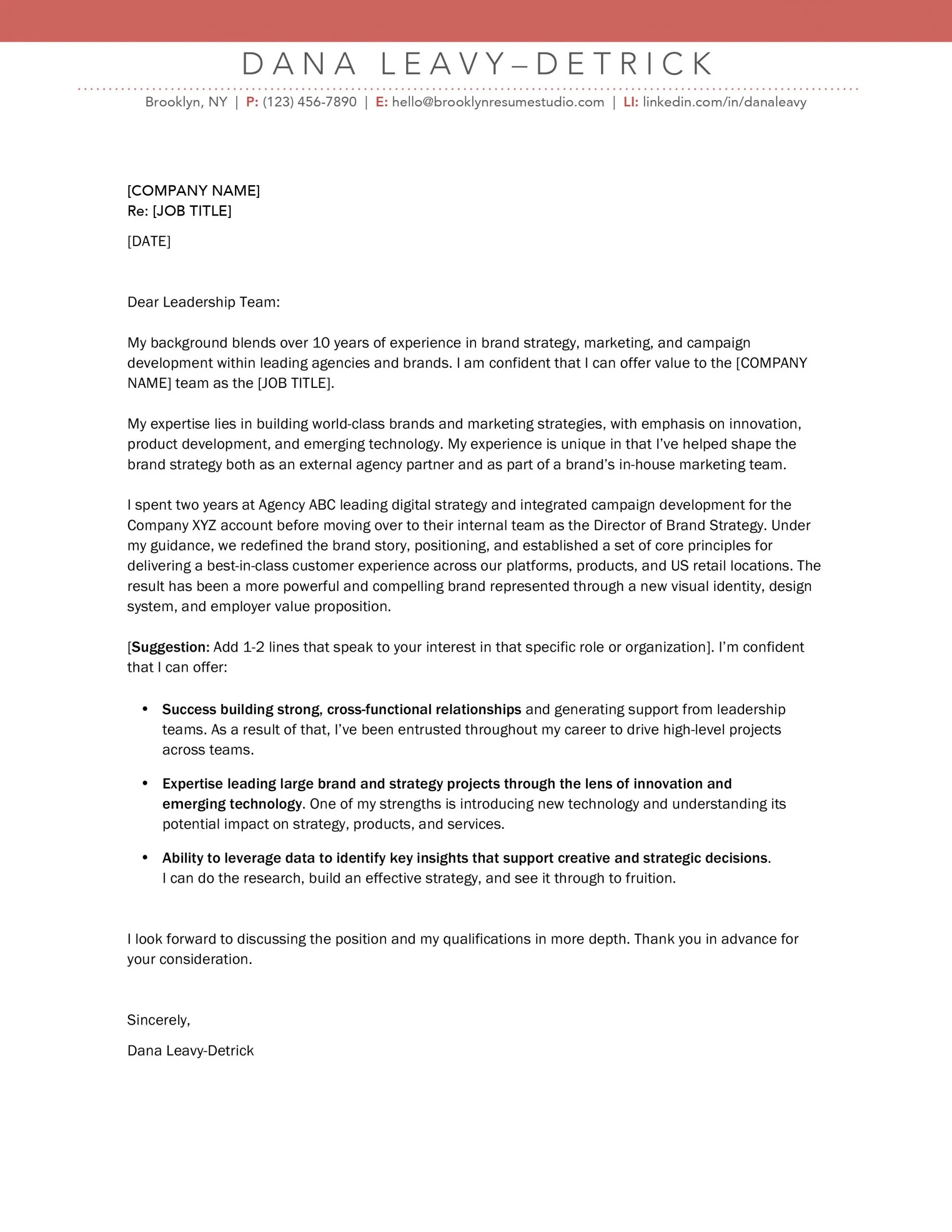
What is a Cover Letter
A cover letter is a crucial document that accompanies your resume when applying for a job. It serves as an introduction, allowing you to highlight your skills, experience, and qualifications in a way that is tailored to the specific position and company you are applying for. Unlike a resume, which provides a chronological overview of your work history, a cover letter gives you the opportunity to express your personality, demonstrate your enthusiasm for the role, and explain why you are a good fit for the company. It’s your chance to make a strong first impression and persuade the hiring manager to read your resume and consider you for an interview. A well-written cover letter can significantly increase your chances of landing an interview, making it an essential part of any job application process.
Why is a Cover Letter Important
Cover letters are important for several key reasons. Firstly, they allow you to personalize your application. A generic resume sent to multiple companies may not grab a hiring manager’s attention. A cover letter, however, lets you tailor your message to the specific job and company, demonstrating that you’ve done your research and are genuinely interested in the opportunity. Secondly, cover letters provide context. They give you the space to explain gaps in your employment history, elaborate on your skills, and highlight relevant achievements that might not be immediately obvious from your resume. Thirdly, a cover letter showcases your communication skills. It gives you the opportunity to demonstrate your writing ability, which is crucial for many roles. A well-written cover letter shows that you can articulate your thoughts clearly and professionally. Finally, it allows you to express your enthusiasm, setting you apart from candidates who may only submit a resume. By showing your genuine interest in the position and the company, you make a more memorable impression.
Cover Letter Format Essentials

The format of your cover letter is just as important as the content. A well-formatted cover letter is easy to read and makes a positive impression. Start with your contact information, including your name, address, phone number, and email address. Next, include the date, followed by the recipient’s contact information, such as their name, title, and company address. Use a professional salutation, like ‘Dear Mr./Ms. [Last Name]’. The body of your cover letter should be divided into logical paragraphs, each focusing on a specific aspect of your qualifications and enthusiasm. The closing should include a complimentary close, such as ‘Sincerely’ or ‘Best regards’, followed by your signature (if printing) and your typed name. Maintain a clean and easy-to-read font, such as Arial or Times New Roman, with a font size between 10 and 12 points. Use single spacing and align your text to the left, leaving adequate margins.
Your Contact Information
At the top of your cover letter, clearly state your contact details. Include your full name, current address, phone number, and a professional email address. Ensure that your email address is appropriate for professional communication, avoiding any informal or unprofessional usernames. This information allows the hiring manager to easily reach you for an interview or further communication. Double-check all the information to ensure there are no errors or typos, as even a small mistake can hinder the hiring process and prevent them from contacting you. Also, keep the information concise and easy to read, making it simple for the recipient to access your contact details at a glance. Ensure the contact details align with the information on your resume.
Date
Immediately following your contact information, include the date on which you are sending your cover letter. This information is usually placed on the left side of the page. The date helps the hiring manager keep track of when you applied for the position. Using a standard format, such as Month Day, Year (e.g., January 15, 2024), is important to avoid any confusion. Make sure the date is formatted consistently with the rest of the document. Ensuring the date is accurate and up-to-date also conveys attention to detail and professionalism, which are important qualities that employers seek. This is a subtle but important element that demonstrates that you are attentive and meticulous in your job application.
Recipient’s Contact Information

After the date, include the recipient’s contact information. This typically consists of the hiring manager’s name, title, and the company’s address. Research the hiring manager’s name to personalize your letter; if you can’t find a specific name, address your letter to the hiring department. This shows that you have taken the initiative to find out who will be reading your application. This detail adds a personal touch and demonstrates your effort to tailor your application. It’s also good practice to confirm the correct spelling of the hiring manager’s name and title to avoid any errors. If you are sending your cover letter via email, include the recipient’s email address here, below their name and title.
Salutation
The salutation is your opening greeting. Use a professional salutation like ‘Dear Mr./Ms./Mx. [Last Name]’ to address the hiring manager. If you are unsure of the hiring manager’s name, you can use ‘Dear Hiring Manager’ or ‘Dear [Department Name] Team’. Avoid using overly casual salutations such as ‘Hi’ or ‘Hello’. Always spell the recipient’s name correctly to show respect and attention to detail. The salutation sets the tone for the entire letter, so it’s crucial to make a positive first impression. The salutation should be followed by a comma. Choosing the right salutation not only shows courtesy but also demonstrates your understanding of professional communication standards, which is vital in a professional environment.
Crafting a Compelling Cover Letter Body
The body of your cover letter is where you showcase your skills, experience, and enthusiasm. It should be structured into several paragraphs, each serving a specific purpose. The first paragraph should state the position you are applying for and how you learned about the opportunity. The subsequent paragraphs should highlight your relevant skills and experiences, providing specific examples of your accomplishments. The final paragraph should express your enthusiasm for the role and the company and include a call to action, such as requesting an interview. Make sure each paragraph focuses on a key aspect of your qualifications and aligns with the job description. Maintain a professional tone throughout the body and avoid using jargon or overly complex language. The body of your cover letter is the heart of your application, so it’s crucial to invest time and effort to make it persuasive.
First Paragraph Start Strong

The first paragraph of your cover letter should immediately grab the reader’s attention and set the tone for the rest of the document. Start by stating the specific position you are applying for and where you found the job posting. This instantly provides context for the hiring manager. Briefly mention why you are interested in the role and the company, highlighting your initial enthusiasm. Keep this paragraph concise and focused, typically around three to four sentences. For example, ‘I am writing to express my keen interest in the Marketing Manager position at XYZ Company, as advertised on LinkedIn. Having followed XYZ Company’s innovative marketing strategies for several years, I am impressed by [mention a specific achievement or campaign]. My passion for marketing and my experience align perfectly with this opportunity…’ This concise introduction immediately establishes your purpose and demonstrates your awareness of the role and company.
Second Paragraph Highlight Skills
The second paragraph is where you demonstrate how your skills and experiences align with the requirements of the job. Review the job description carefully and identify the key skills and qualifications the employer is seeking. Provide specific examples of your accomplishments and how they relate to the role. Quantify your achievements whenever possible; for example, ‘Increased sales by 15% in six months.’ Tailor your examples to match the job description, highlighting the skills and experiences that are most relevant. Do not simply list your responsibilities; instead, explain how you applied your skills to achieve positive results. By providing concrete evidence of your abilities, you create a more compelling case for why you are the right candidate for the job. Ensure your claims are factual and supported by your experience.
Third Paragraph Express Enthusiasm
In the third paragraph, express your enthusiasm for the role and the company. Explain why you are excited about the specific opportunity and what attracts you to the organization. Do your research about the company and mention something that resonates with you, such as their mission, values, or recent achievements. Showcase that you have a genuine interest beyond just needing a job. Share a personal connection to the company or role, if possible. This could be related to the industry, the company culture, or the potential for professional growth. Conclude this paragraph by reiterating your strong interest in the position and mentioning your eagerness to contribute to the company’s success. This helps to create a positive impression and leave a lasting impression on the hiring manager.
Fourth Paragraph Call to Action

The final paragraph of the body of your cover letter should include a clear call to action. This tells the hiring manager what you expect them to do next. Express your interest in an interview and suggest the best way to contact you. For example, ‘I am eager to discuss how my skills and experience can benefit [Company Name]. I am available for an interview at your earliest convenience and can be reached at [Phone Number] or [Email Address].’ You can also thank the hiring manager for their time and consideration. Keep this paragraph brief, polite, and direct. A strong call to action reinforces your interest and makes it easy for the hiring manager to take the next step. Always include your contact information here to ensure the hiring manager has easy access to your details.
Cover Letter Closing
The closing of your cover letter is as important as the opening. It provides a final opportunity to express your gratitude and leave a positive impression. This section includes a complimentary close, your signature, and your typed name. Ensure the closing is professional, polite, and consistent with the overall tone of the letter. Make sure the closing complements the content of your cover letter, reinforcing the key points and your enthusiasm for the position. A well-crafted closing shows that you value the hiring manager’s time and that you are serious about the opportunity.
Complimentary Close
Choose a professional and appropriate complimentary close. Common options include ‘Sincerely’, ‘Best regards’, ‘Respectfully’, or ‘Thank you for your consideration’. Avoid using overly casual or informal closings such as ‘Cheers’ or ‘Best’. Ensure that the complimentary close aligns with the tone of your cover letter. For example, ‘Sincerely’ or ‘Best regards’ are suitable for most situations. A strong complimentary close shows that you are respectful and value the hiring manager’s time and attention. This is a professional formality that sets a positive ending to your application. It leaves a lasting impression of your professionalism.
Signature

If you are printing your cover letter, leave space for your handwritten signature above your typed name. This adds a personal touch to your application. If you are sending your cover letter electronically, you can often insert an image of your signature, although this is not always necessary. Ensure your signature is legible and professional. If you are unable to include a signature, your typed name at the end is sufficient. The signature confirms the authenticity of the cover letter and adds a layer of personalization to your application. If you are printing your cover letter and do not include a signature, the hiring manager might think you forgot to include it.
Tips for Polishing Your Cover Letter
Polishing your cover letter is essential to ensure it makes a strong impression. Take the time to review and refine every aspect of your letter, from the format to the content. Several techniques can help you improve your cover letter, including proofreading carefully, customizing your letter to each job, and keeping it concise. Your goal is to present a polished and professional document that stands out positively. A well-polished cover letter demonstrates your attention to detail, your respect for the recipient’s time, and your overall professionalism. These steps will contribute to a job application that stands out and increases your chances of securing an interview.
Proofread Carefully
Thorough proofreading is essential for any cover letter. Errors in grammar, spelling, and punctuation can damage your credibility. Always read your cover letter multiple times, ideally with fresh eyes. Consider using a grammar checker to catch any mistakes that you might have missed. Proofread not only the body of the letter but also the contact information, date, and recipient’s details. Having someone else proofread your cover letter can also be beneficial, as they might catch errors that you have overlooked. Take the time to read the job description again and make sure your letter reflects all the necessary details. Proofreading ensures that your cover letter is free of errors, which enhances your professionalism and leaves a positive impression on the hiring manager. You can also read the letter aloud, which helps to identify any awkward phrasing or grammatical errors.
Customize Your Cover Letter

Customize your cover letter for each job application. Do not use a generic cover letter for every opportunity. Tailor your letter to the specific requirements of the job and the company. This includes highlighting the skills and experiences that match the job description, as well as showcasing your knowledge of the company. Address the hiring manager by name if possible, and personalize your letter to reflect your genuine interest in the position and the organization. If you are applying for multiple positions, adapt the letter to focus on the relevant skills and experiences for each role. A customized cover letter shows that you have taken the time to understand the job and the company, which increases your chances of securing an interview.
Keep It Concise
Keep your cover letter concise and to the point. Hiring managers are busy and often review many applications, so it’s important to respect their time. Aim for a cover letter that is no longer than one page. Each paragraph should have a clear purpose and contribute to the overall message. Avoid unnecessary details or overly verbose language. Be precise in your word choice, selecting language that is clear and direct. Conciseness indicates that you are aware of the hiring manager’s time constraints. The goal is to present your qualifications efficiently without losing critical information. A well-crafted, concise cover letter is more likely to be read and remembered.
Cover Letter Examples & Templates
Using examples and templates can be a helpful starting point when writing your cover letter. Numerous online resources provide various cover letter examples, covering different industries and job titles. These can offer inspiration and guidance, helping you structure your letter and articulate your skills effectively. However, ensure that you customize these templates to reflect your own experiences and the specific requirements of the job. Modify the content to fit your background and the company you are applying for. Do not copy and paste templates directly. Using templates and examples can help you save time and ensure you include all the necessary elements, but personalization is key to making your cover letter stand out. You may find many free templates online that you can download and adapt, but the key is to make it your own and be authentic.