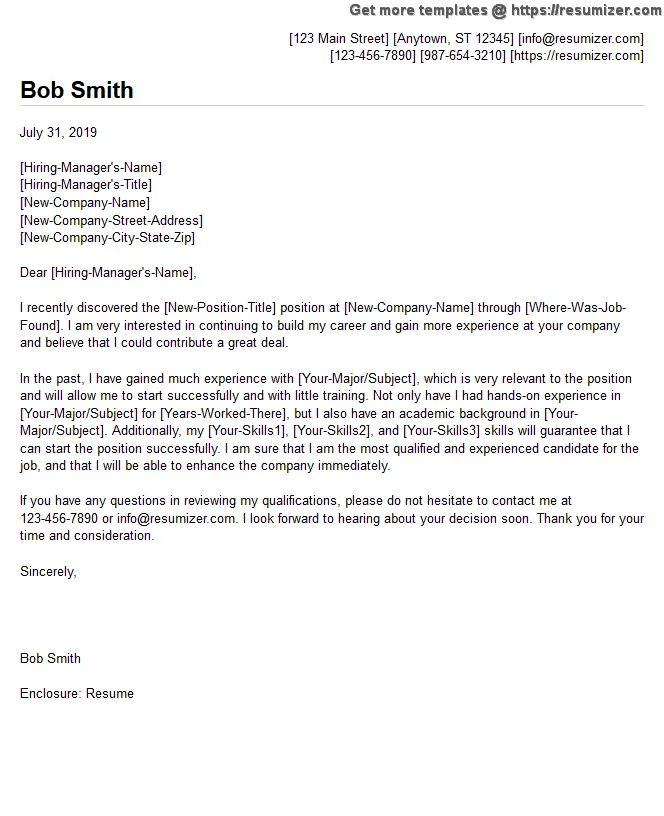
Why a Cover Letter Matters
In the competitive landscape of job applications, a well-crafted cover letter can be the key to unlocking new opportunities. It serves as your personal introduction, a chance to showcase your personality, and a way to explain why you are the perfect fit for the role. While your resume provides a snapshot of your skills and experience, your cover letter allows you to tell a story, connecting your qualifications to the specific needs of the employer. It’s an opportunity to make a strong first impression, demonstrating your writing skills, attention to detail, and genuine interest in the position. A compelling cover letter can significantly increase your chances of getting noticed by hiring managers and securing an interview. Ignoring this critical element of your application can lead to your resume being overlooked, ultimately hindering your job search efforts.
Cover Letter Essentials (7 Steps)
Writing a cover letter can seem daunting, but breaking it down into manageable steps makes the process much easier. By following a structured approach, you can create a cover letter that effectively communicates your value and increases your chances of landing an interview. This 7-step guide provides a clear roadmap to writing a cover letter that is tailored to the specific job, showcases your skills, and highlights your enthusiasm. Each step is crucial for crafting a persuasive document that will capture the attention of potential employers. These steps will help you create a cover letter that sets you apart from other candidates and opens doors to new career opportunities.
Step 1 Research the Company

Before you even begin writing, take the time to research the company. Understand their mission, values, and recent accomplishments. Explore their website, social media profiles, and news articles to gain insights into their culture and current projects. This research will not only help you tailor your cover letter but also demonstrate your genuine interest in the company. By showing that you’ve taken the initiative to learn about their organization, you can significantly increase your chances of making a positive impression. Tailoring your letter to their specific needs is the key. Knowing what the company values will help you align your skills to what they need.
Step 2 Tailor Your Letter
Generic cover letters are easily identifiable and often discarded. Tailor each cover letter to the specific job and company. Review the job description carefully, highlighting the key skills and qualifications they are seeking. Then, customize your letter to directly address these requirements, providing specific examples of how your experience aligns with their needs. Use the company’s language and tone, mirroring their communication style to show that you understand their culture. By personalizing your cover letter, you demonstrate that you’ve taken the time to understand the role and are genuinely interested in contributing to the company’s success. This customized approach sets you apart from candidates who submit generic applications and increases your chances of making a lasting impression.
Step 3 Craft a Compelling Opening
The opening of your cover letter is your chance to immediately grab the reader’s attention. Avoid generic phrases like “I am writing to apply for…” and instead, craft a compelling hook that showcases your enthusiasm and relevant skills. Start with a strong statement that highlights your key qualifications or accomplishments that directly relate to the job. You might mention a specific project you’re proud of, a skill you’ve honed, or a way you’ve helped a previous employer succeed. Consider stating the position you are applying for and how you learned of the opportunity. The goal is to make the hiring manager want to read more. A strong opening sets the tone for the rest of your letter and encourages the reader to delve deeper into your qualifications.
Step 4 Highlight Key Skills and Experience

In the body of your cover letter, focus on highlighting the skills and experiences most relevant to the job requirements. Use the job description as your guide, and provide specific examples that demonstrate how you have successfully applied these skills in the past. Don’t just list your skills; show how you’ve used them to achieve results. Use the STAR method (Situation, Task, Action, Result) to structure your examples, providing context, describing your role, detailing the actions you took, and quantifying the outcome whenever possible. This approach allows you to showcase your accomplishments in a clear and concise manner, demonstrating your value to the potential employer. Make sure each point is concise and relevant to the open position.
Step 5 Quantify Your Achievements
Whenever possible, quantify your achievements to provide concrete evidence of your impact. Use numbers, percentages, and specific data to illustrate your accomplishments. Instead of saying “Improved customer satisfaction,” say “Increased customer satisfaction by 15% through implementing a new feedback system.” Quantifying your achievements not only demonstrates your effectiveness but also helps the hiring manager understand the tangible benefits you can bring to their company. This data-driven approach adds credibility to your claims and makes your cover letter more persuasive. Numbers speak volumes and are a key ingredient to any excellent cover letter.
Step 6 Show Enthusiasm and Fit
Your cover letter should convey your genuine enthusiasm for the position and the company. Explain why you are excited about the opportunity and what aspects of the role or company culture resonate with you. Show that you’ve researched the company and understand their mission and values. Highlight how your skills and experiences align with their needs, emphasizing your potential contributions. Expressing your enthusiasm makes you more memorable and demonstrates your commitment to the opportunity. Your passion will set you apart from other candidates who may appear less invested in the role. This is what truly makes a cover letter shine and get noticed.
Step 7 Close with a Strong Call to Action

The closing of your cover letter is your final opportunity to make an impression. End with a strong call to action, expressing your interest in an interview and providing your contact information. Reiterate your enthusiasm for the role and the company, and thank the reader for their time and consideration. Make it easy for them to contact you by including your phone number and email address. You might also mention your availability for an interview. A well-crafted closing leaves the hiring manager with a positive impression and encourages them to take the next step in the hiring process. Make it clear that you are eager to discuss your qualifications further.