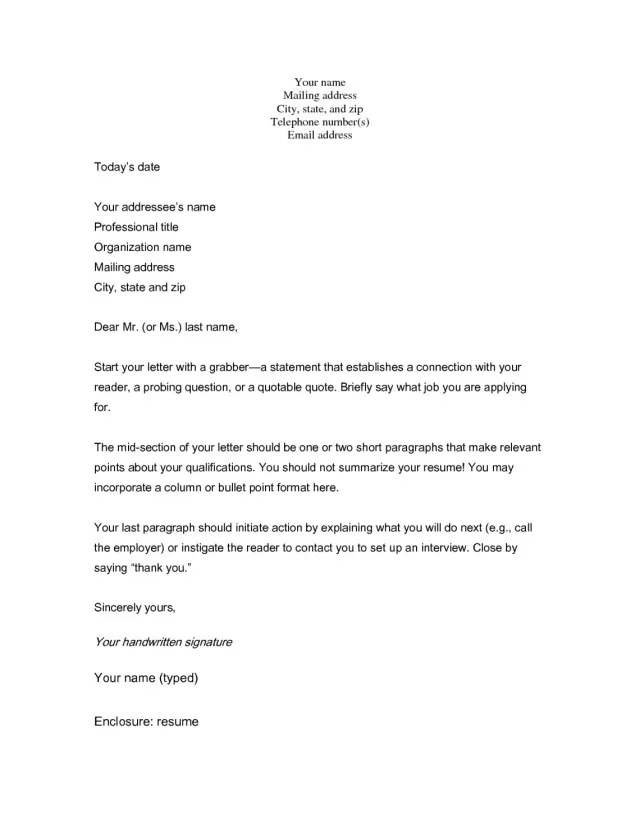
Understanding the Dilemma: Addressing Cover Letters Without a Name
Writing a cover letter is a critical step in the job application process. It’s your chance to showcase your personality, skills, and enthusiasm for a specific role. One of the first things a hiring manager sees is the salutation, the opening greeting. Ideally, you’d address it to a specific person, but what happens when you can’t find a name? This situation can be tricky, leaving you wondering how to make a good first impression. The goal is to find the right balance between professional, respectful, and engaging, ensuring your cover letter stands out for the right reasons. This guide provides insights into navigating this common challenge, helping you craft a cover letter that makes a positive impact, even without a name.
Why Names Matter & When They’re Unavailable
Addressing a cover letter to a specific person immediately personalizes the application. It shows that you’ve taken the time to research and understand the company’s structure. Using a name demonstrates attention to detail and a genuine interest in the opportunity. However, there are several reasons why the hiring manager’s name might be unavailable. It could be due to a lack of information on the job posting, a generic application process, or simply the company’s privacy policies. Regardless of the reason, it’s important to handle the situation gracefully and still create a compelling letter. Recognize the importance of personalization while acknowledging the practical constraints you face.
Alternatives to ‘Dear [Name]’

When you cannot find the name of the hiring manager, you need appropriate alternatives. The goal is to sound professional and show that you have prepared for this application. Avoid generic salutations that may sound impersonal. If possible, try to find a specific title like “Dear Hiring Manager” or “Dear [Department Name] Team”. Using the job title (e.g., “Dear Recruiter”) is another viable option, especially if you know who will be reviewing the applications. It is crucial to keep your tone appropriate for the company culture. When in doubt, a more formal salutation is generally better than being too casual. The approach you choose will help set the right tone for the rest of your letter.
Using Job Titles & Department Names
If a specific name is elusive, consider using job titles or department names. For example, “Dear Hiring Manager” is a common and perfectly acceptable option. Another option is to target the department involved in hiring. For instance, “Dear Human Resources Team” or “Dear [Department Name] Team” depending on the company. This shows that you know who to address your application to and acknowledges the relevant team involved. When using this method, make sure you are aware of the company’s organization and consider how the application is being received. The key is to be respectful and avoid assumptions. Use job titles that provide the best fit to the application process.
Crafting a Compelling Cover Letter Opening
The opening of your cover letter should immediately grab the reader’s attention. Regardless of whether you have a name or not, make it impactful. Start with a strong statement that conveys your enthusiasm for the position and the company. Briefly mention the role and how you found it, then transition into why you’re a good fit. Highlight your relevant skills, experience, or achievements that align with the job requirements. Make sure to keep your tone professional and enthusiastic, showing a real interest in the role and the organization. Your opening sets the stage for the rest of your cover letter, so make it count.
General Salutations vs. Personalized Approaches

Deciding between a general salutation and a more personalized approach can be tough. While “Dear Hiring Manager” is perfectly acceptable, try to add a bit more personalization. You can mention the specific role or company, or the specific department you’re applying to. This subtle personalization can make a difference. If the job posting mentions a specific project or challenge, you could subtly reference that in your opening sentence to engage the reader. Balancing professionalism with a touch of personality is important. The aim is to showcase your skills and that you have researched the company’s needs. A well-crafted and personal opening can help you get noticed.
Phrases to Avoid in Your Cover Letter Greeting
Certain phrases can make your cover letter seem impersonal and unappealing. Avoid generic greetings like “To Whom It May Concern,” as they can come across as lazy or indifferent. Also, avoid using overly casual language or slang. Instead, focus on being professional and courteous. It’s best to skip any attempts at humor unless the company culture specifically permits it. When addressing a cover letter, stick to simple, respectful language. By avoiding these common pitfalls, you’ll ensure that your cover letter has a professional and positive impression. The goal is to show respect and take your application seriously.
Researching to Find the Hiring Manager’s Name
Before you give up on finding a name, do some research. Check the company website for the HR or hiring team. If the job posting is on LinkedIn, try to find the recruiter or the person in charge of the role. Look for the company’s profile and see if there is any information about the hiring team. Many companies have a “Meet the Team” or “About Us” section where you can find employee names and roles. If all else fails, try contacting the company directly via phone or email, asking who is in charge of the hiring process. The added effort can demonstrate initiative, and you may even get a more personalized reply.
Leveraging LinkedIn and Company Websites

LinkedIn and company websites are valuable resources when trying to find the hiring manager’s name. On LinkedIn, you can search for the company and look at employees. You can often identify the recruiter or hiring manager for the role. On the company website, explore the “About Us” or “Careers” sections. Some companies list their team members or the HR department’s contact information. These resources allow you to personalize your cover letter and tailor it to the correct person. By doing this research, you show a willingness to go the extra mile. This attention to detail can have a positive impact on your application.
Following Up & Demonstrating Initiative
After submitting your cover letter, follow up if you haven’t heard back within the specified timeframe. Even without a specific name, you can still send a polite follow-up email to the hiring manager or the relevant department. Mention the role you applied for and reiterate your interest in the position. This demonstrates initiative and helps you to stay top-of-mind. If you have made a genuine effort to find the hiring manager’s name, you can briefly mention it. Remember that the most important thing is to stay professional and enthusiastic throughout the entire application process. A well-crafted cover letter and a follow-up can make a positive impression.