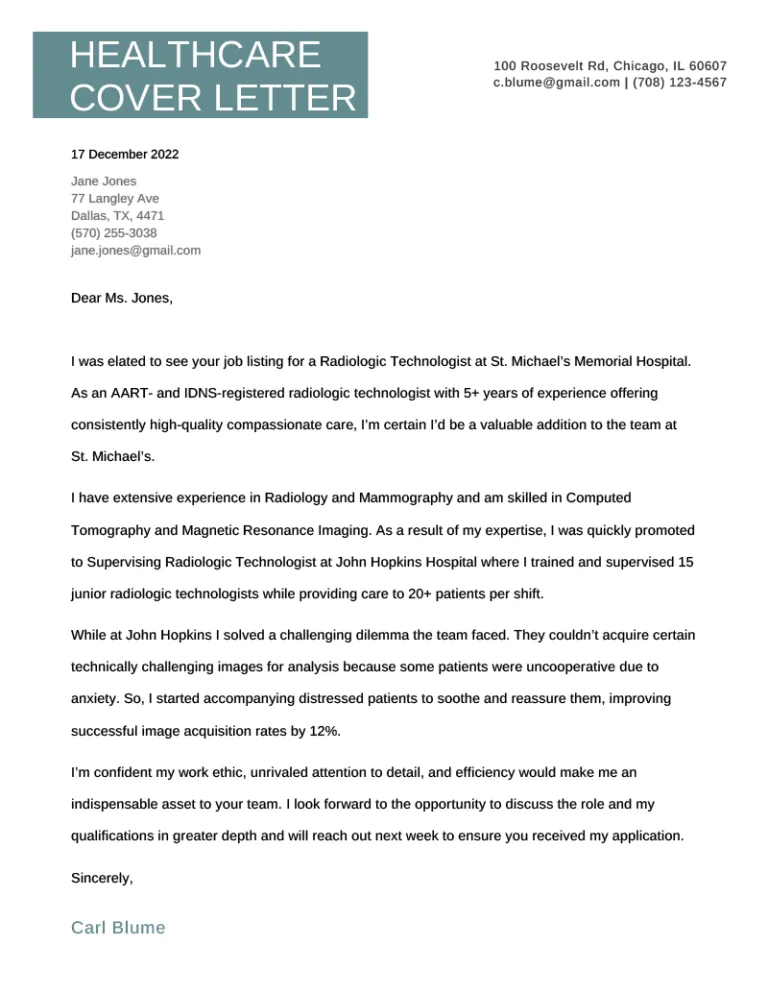
Crafting the Perfect Healthcare Cover Letter
A well-crafted cover letter is your first opportunity to make a strong impression on potential employers in the competitive healthcare industry. It’s not just a formality; it’s your chance to highlight your qualifications, demonstrate your passion for healthcare, and convince the hiring manager that you’re the ideal candidate. This guide provides top tips and practical examples to help you create a healthcare cover letter that gets noticed.
Understanding the Healthcare Cover Letter’s Importance
In the healthcare sector, where compassion, attention to detail, and strong communication skills are essential, a cover letter serves as a crucial tool to showcase these qualities beyond what a resume can offer. It personalizes your application and demonstrates your genuine interest in the specific role and organization.
Why a Strong Cover Letter Matters

A compelling cover letter can significantly increase your chances of securing an interview. It allows you to elaborate on your experiences, explain any career transitions, and express your enthusiasm for the position. It demonstrates professionalism, attention to detail, and strong writing skills all of which are highly valued in healthcare.
Key Components of a Compelling Healthcare Cover Letter
A successful healthcare cover letter comprises several key elements that work together to create a persuasive and memorable application. Ensuring each component is thoughtfully addressed will maximize your chances of landing an interview. Here is the best structure you must follow.
Header and Contact Information
The header should include your contact information, and the hiring manager’s information. This section ensures that the recruiter can easily contact you and understand whom the letter is addressed to. Clarity and accuracy are paramount in this section.
Applicant’s Contact Details

Start with your full name, address, phone number, and professional email address. Make sure your email address is professional and appropriate. This information is critical for the recruiter to reach out to you.
Hiring Manager’s Contact Information
If possible, address your cover letter to a specific person by name and title. Include the hiring manager’s name, title, department, and the organization’s address. This shows that you’ve done your research and that you’re truly interested in the role.
Professional Greeting
Use a professional greeting like “Dear Mr./Ms./Dr. [Last Name]” or “Dear [Hiring Manager Name]” when addressing your cover letter. If you are unsure of the hiring manager’s name, use a greeting like “Dear Hiring Manager”. Avoid generic greetings like “To Whom It May Concern.”
Body Paragraph 1 Highlighting Your Value
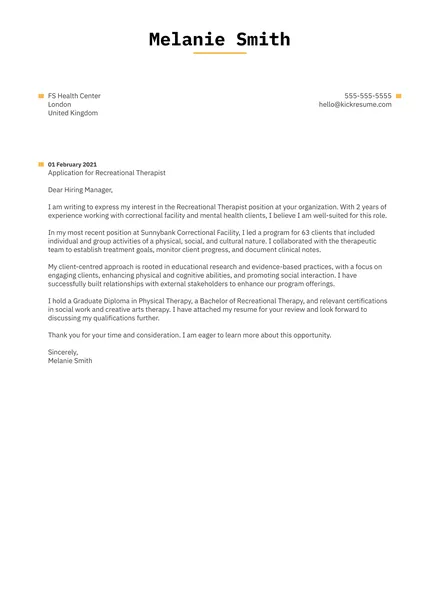
In the first body paragraph, state the position you’re applying for and mention where you found the job listing. Immediately grab the reader’s attention by highlighting your most relevant skills and experience. Show the employer what you can bring to the table and how you meet their needs.
Showcasing Relevant Skills and Experience
Focus on skills and experiences that align with the job requirements. Include specific examples of how you’ve used these skills in past roles. Mention any certifications, licenses, or specialized training that make you a strong candidate.
Quantifying Achievements
Wherever possible, quantify your accomplishments with numbers and statistics. Use the STAR method (Situation, Task, Action, Result) to tell a compelling story of how you’ve made a positive impact in your previous roles. For instance, “Reduced patient wait times by 15% by implementing a new triage system.”
Body Paragraph 2 Demonstrating Your Passion

This paragraph is where you show your enthusiasm for the role and the healthcare organization. Demonstrate your understanding of their mission, values, and goals, and explain how your passion for healthcare aligns with their objectives.
Expressing Your Interest in the Role and Organization
Explain what excites you about the specific role and why you are drawn to the organization. This shows the hiring manager that you are genuinely interested in the opportunity and not just sending out generic applications.
Aligning Your Values with the Company’s Mission
Research the organization’s mission, values, and culture. Then, explain how your personal values and career goals align with theirs. This demonstrates that you are a good fit for the company culture and that you are committed to their success.
Body Paragraph 3 Making a Strong Call to Action

Conclude your cover letter with a strong call to action. Reiterate your interest in the position and express your willingness to discuss your qualifications further. Make it easy for the hiring manager to contact you.
Expressing Gratitude and Encouraging Contact
Thank the hiring manager for their time and consideration. Reiterate your enthusiasm for the position and encourage them to contact you to schedule an interview. Provide your phone number and email address again for easy access.
Closing and Signature
Use a professional closing such as “Sincerely,” “Best regards,” or “Thank you.” Sign your cover letter with your full name and, if you’re submitting a digital copy, consider adding an electronic signature.
Formatting and Design Tips for Healthcare Cover Letters

The formatting and design of your healthcare cover letter contribute significantly to its readability and professional appearance. A well-formatted letter is easier to read and makes a positive impression.
Choosing the Right Font and Font Size
Select a professional and easy-to-read font such as Times New Roman, Arial, or Calibri. Use a font size between 10 and 12 points. This ensures that your letter is both readable and looks professional. Consistent formatting throughout the document is key.
Maintaining Professionalism and Clarity
Use clear and concise language. Avoid jargon or overly complex sentences. Keep the tone professional and respectful. Use bullet points to break up text and make the information easier to scan. Ensure proper spacing between paragraphs for readability.
Proofreading and Editing Your Cover Letter

Thoroughly proofread and edit your cover letter before submitting it. Check for grammatical errors, spelling mistakes, and typos. Ask a friend, mentor, or career counselor to review your letter for feedback. Correct any errors to show your attention to detail.
Common Mistakes to Avoid in Healthcare Cover Letters
Avoiding common pitfalls can dramatically improve the impact of your healthcare cover letter. Here are several mistakes to watch out for.
Generic Cover Letters
Avoid using a generic cover letter template that you send to all employers. Tailor each cover letter to the specific role and organization. Show the hiring manager that you’ve researched their organization and understand their needs.
Focusing on “I” Instead of “You”
Focus on how your skills and experiences can benefit the employer, not just on your needs and aspirations. Shift the focus to the employer’s needs and explain how you are the solution to their challenges. This is crucial to grab their attention.
Not Tailoring the Letter to the Specific Role
Each cover letter should be tailored to the specific job description and requirements. Highlight the skills and experiences that are most relevant to the role. Customize your letter to show why you are the best fit for the role.
Healthcare Cover Letter Examples and Templates
Reviewing example cover letters can provide valuable insights and inspiration for crafting your own. Here are some examples and templates to guide you in creating your own.
Registered Nurse (RN) Cover Letter Example
A Registered Nurse cover letter should highlight clinical skills, experience in patient care, and any specialized certifications. Showcase your ability to manage patients, collaborate with healthcare teams, and ensure high-quality patient outcomes. For instance, mention your experience in different hospital settings. Also, emphasize your understanding of medical procedures.
Medical Assistant Cover Letter Example
A Medical Assistant cover letter should emphasize your skills in administrative and clinical duties. Mention your proficiency in scheduling appointments, managing patient records, and assisting with medical procedures. Showcase your understanding of medical terminology, and your ability to interact with patients with compassion.
Medical Technologist Cover Letter Example
A Medical Technologist cover letter should highlight your laboratory skills and experience in performing diagnostic tests. Emphasize your ability to analyze samples, operate laboratory equipment, and ensure accurate results. Showcase your attention to detail, adherence to safety protocols, and experience in different laboratory settings.
Final Thoughts Creating a Winning Healthcare Cover Letter
By following these tips, you can create a compelling healthcare cover letter that showcases your skills, experience, and passion for the field. A well-crafted letter will help you stand out from the competition and increase your chances of landing your dream job. Remember to tailor each cover letter to the specific role and organization. Proofread carefully and always present yourself professionally and enthusiastically. Good luck with your job search!