Understanding the Importance of a Cover Letter for Graphic Designers
In the competitive field of graphic design, a compelling cover letter can be the deciding factor between landing an interview and being overlooked. It’s your first opportunity to make a lasting impression, showcase your personality, and demonstrate your enthusiasm for the specific role and company. A well-crafted cover letter goes beyond simply repeating your resume; it provides a platform to elaborate on your skills, highlight relevant projects, and explain why you are the ideal candidate. The cover letter is where you can show off your communication skills and convince the hiring manager that you’re the perfect fit for their team. A strong cover letter should always show the value you bring to the company.
Highlighting Your Best Skills
Your cover letter should be a showcase of your most relevant skills. Consider the specific requirements of the job description and tailor your letter to match. Don’t just list your skills; provide examples of how you’ve utilized them to achieve successful outcomes. For example, if the job requires proficiency in Adobe Photoshop and Illustrator, mention projects where you’ve demonstrated these skills, quantifying your achievements whenever possible. Did you increase engagement by creating specific assets? Did your designs solve specific problems? This is where you can provide more detail than is possible in your resume. Be specific and relevant; focus on the skills that align with the employer’s needs, providing context for each skill.
Showcasing Your Design Portfolio

Your portfolio is crucial, and your cover letter is the perfect vehicle to introduce it. Instead of just mentioning your portfolio, use the cover letter to guide the reader through it. Highlight a few key projects that align with the job’s requirements. Briefly describe the challenges you faced, the solutions you implemented, and the results you achieved. Include links to your online portfolio or specific projects. Make sure to always update your online portfolio. The cover letter should make the reader want to see more of your work. It’s about making them curious and providing direction and context. Never assume the hiring manager will automatically know which projects in your portfolio are most relevant.
Tailoring Your Cover Letter to Each Job Application
A generic cover letter is a surefire way to get your application tossed aside. Take the time to customize each letter for the specific job and company. Research the company’s brand, values, and recent projects. Demonstrate that you understand their design aesthetic and the specific challenges they face. Use the job description as a guide to identify the key skills and experiences they are looking for, and then highlight your relevant qualifications. Mentioning specific projects or initiatives the company is involved in shows genuine interest. This level of customization demonstrates your dedication and professionalism, making you stand out from the crowd. It shows that you care about this particular role, not just any design job.
Using Keywords Effectively
Many companies use Applicant Tracking Systems (ATS) to screen applications. To ensure your cover letter isn’t automatically rejected, incorporate relevant keywords from the job description. Identify the key skills, software, and responsibilities mentioned in the job posting and weave them naturally into your letter. Avoid keyword stuffing, which can make your writing sound unnatural. The goal is to optimize your cover letter to match the requirements and demonstrate that you have the skills and experience the employer is seeking. Integrate these keywords strategically within the context of your achievements and experiences. This helps both the ATS and the hiring manager to quickly understand your suitability for the role.
Proofreading and Editing Your Cover Letter

Errors in your cover letter can undermine your credibility and professionalism. Before submitting your application, carefully proofread your cover letter for any grammatical errors, spelling mistakes, or typos. Read it aloud to catch any awkward phrasing or inconsistencies. Consider using grammar and spell-checking tools, but don’t rely on them entirely. Have a friend or colleague review your letter as well. Fresh eyes can often spot errors that you might miss. A polished, error-free cover letter demonstrates attention to detail and a commitment to quality, both essential qualities for a graphic designer. It showcases your professionalism.
Structuring Your Graphic Designer Cover Letter
A well-structured cover letter is easy to read and allows the hiring manager to quickly grasp your key qualifications. Follow a standard format to present your information logically and effectively. The structure should include contact information, a professional salutation, a compelling opening, body paragraphs that highlight your skills and experience, and a strong closing. A clear structure will help showcase your professionalism and make you stand out from the crowd.
Contact Information and Header
Start your cover letter with your contact information, including your full name, phone number, email address, and optionally, your LinkedIn profile URL and portfolio link. Place this information at the top of the letter. The header should be clean and professional. Include the date and the hiring manager’s name and title if you know it. If you don’t know the hiring manager’s name, use a general salutation like “Dear Hiring Manager.”
The Opening Paragraph

The opening paragraph is your first chance to capture the hiring manager’s attention. State the position you are applying for and where you saw the job posting. Immediately convey your enthusiasm for the role and the company. Briefly mention why you are interested in this specific opportunity. Focus on the value you bring to the company and highlight one or two key skills or accomplishments that align with the job requirements. Be concise, engaging, and demonstrate your understanding of the company’s needs.
Body Paragraphs
The body paragraphs are where you provide more detailed information about your skills, experience, and accomplishments. Use these paragraphs to highlight your qualifications, demonstrating how you meet the requirements outlined in the job description. Provide specific examples of your work, focusing on relevant projects and achievements. Quantify your results whenever possible. Use the STAR method (Situation, Task, Action, Result) to describe your accomplishments effectively. Each paragraph should address a specific skill or experience, making sure to use keywords from the job description to optimize the content.
Closing Paragraph
The closing paragraph should reiterate your interest in the position and express your gratitude for the hiring manager’s time and consideration. Reiterate your key skills and enthusiasm, and include a call to action, such as, “I look forward to hearing from you soon” or “Thank you for your time and consideration.” You can also mention your availability for an interview. End with a professional closing, such as “Sincerely,” or “Best regards,” followed by your name. Ensure your contact information is included.
What to Avoid in Your Graphic Designer Cover Letter

Certain elements can undermine your cover letter and decrease your chances of landing an interview. Avoid these common pitfalls to make a positive impression.
Common Mistakes to Steer Clear Of
Avoid generic cover letters that are not tailored to the specific job or company. These show a lack of effort and interest. Also, don’t simply restate your resume; instead, use the cover letter to expand on your experiences and achievements. Another common mistake is failing to proofread your letter, leading to grammatical errors and typos. Make sure to avoid negative language or talking about what you don’t like or what you cannot do; keep it positive and focused on your strengths. Finally, don’t forget to include a call to action.
Overused Phrases and Clichés
Avoid using overused phrases and clichés that can make your writing sound generic and unoriginal. Examples include “I am writing to express my interest,” “Please find my resume attached,” and “I am a team player.” Instead, use fresh and dynamic language that showcases your personality and enthusiasm. Be specific and focus on your accomplishments rather than making vague statements about your skills. Demonstrate that you understand the role and the company and that you can bring value.
Tips for Formatting and Design

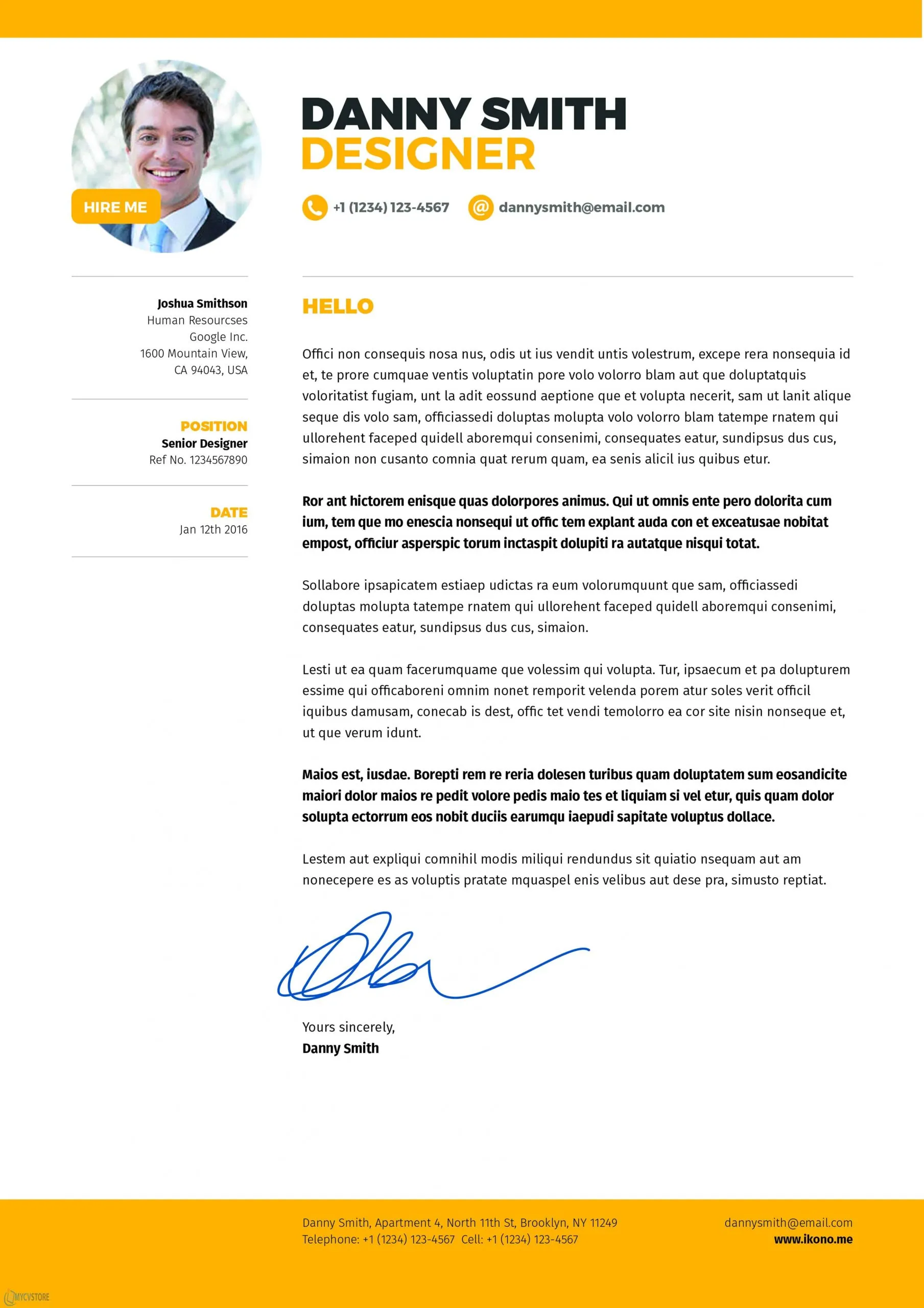
As a graphic designer, your cover letter is also an opportunity to showcase your design skills. Maintain a clean and professional format. Choose a readable font, such as Arial or Times New Roman, and use a font size between 10 and 12 points. Use clear headings and bullet points to organize your information and make it easy to read. Ensure the layout is visually appealing and reflects your personal brand. Consider using a subtle design element or incorporating your logo, but don’t overdo it – the content should be the focus. Make sure the formatting is consistent throughout the document.
Cover Letter Examples for Graphic Designers
Reviewing cover letter examples can help you understand how to effectively showcase your skills and experience. Study how other graphic designers have successfully presented their qualifications and tailored their letters to specific jobs.
Example Cover Letter 1
This is where you’d include a sample cover letter. The format should include the header, the salutation, an opening paragraph expressing interest and mentioning the specific job, followed by body paragraphs highlighting relevant skills and experiences, and a closing paragraph with a call to action. The content of the example will showcase skills and experience using specific examples of previous work and quantifying results. The use of keywords from the job posting will be evident. Remember to tailor the example to a specific job description.
Example Cover Letter 2

Include a second example cover letter, also tailored to a specific job description, showcasing a different approach. The format will follow the same structure as the first example. Focus on a different set of skills and achievements. Use keywords effectively, and remember to focus on how the applicant’s skills benefit the employer.
Example Cover Letter 3
Provide a third cover letter example that demonstrates a different format or style. Focus on a specific type of design role, such as a UI/UX designer or a branding specialist. The structure will be consistent, but the content will emphasize the skills and experiences most relevant to that specific role. Always make sure that the examples are well-written and optimized.