Finance Job Cover Letter Top 5 Tips
Crafting a compelling finance job cover letter is crucial for making a strong first impression on potential employers. It’s your chance to showcase your skills, experience, and passion for the financial industry. A well-written cover letter can significantly increase your chances of landing an interview. This guide provides the top five tips for creating a cover letter that will help you stand out from the competition and secure your dream finance job. By following these tips, you can ensure your cover letter is professional, impactful, and tailored to the specific job and company you’re applying for. Each element plays a vital role in presenting you as a strong candidate who is eager to contribute to their team. Remember that every cover letter should be unique, reflecting your individual experiences and aspirations within the finance sector.
Highlighting Your Financial Skills
Your cover letter must clearly communicate your financial skills. This isn’t just about listing skills; it’s about demonstrating how you’ve applied them. Start by identifying the key skills required for the specific job you’re applying for. Common finance skills include financial analysis, budgeting, forecasting, risk management, and investment analysis. Provide specific examples of how you’ve used these skills in previous roles or projects. For instance, instead of just saying you’re proficient in financial analysis, describe a project where you conducted in-depth analysis to identify cost-saving opportunities. Use action verbs like ‘analyzed,’ ‘managed,’ ‘developed,’ and ‘implemented’ to make your achievements more impactful. Quantify your results whenever possible, such as by stating the percentage of cost savings or the increase in efficiency you achieved. This approach proves your competence and provides tangible evidence of your abilities to potential employers.
Quantifying Achievements

One of the most effective ways to impress hiring managers is to quantify your achievements. Numbers speak volumes, and they give potential employers concrete evidence of your capabilities. When describing your accomplishments, use data to illustrate your impact. For example, instead of saying you improved a process, mention the percentage by which you improved efficiency or reduced errors. If you managed a budget, specify the size of the budget and the positive outcomes you achieved. Did you increase revenue, reduce expenses, or improve investment returns? Include the specific figures to showcase your contributions. By quantifying your achievements, you provide clear evidence of your value and demonstrate your ability to deliver results. This makes your cover letter much more compelling and positions you as a candidate who can drive positive outcomes for the company.
Tailoring to the Job Description
A generic cover letter won’t cut it in the competitive world of finance. Tailoring your cover letter to each job description is essential. Carefully read the job posting and identify the key requirements and desired skills. Customize your cover letter to directly address these requirements. Highlight the relevant skills and experiences you possess that align with what the employer is seeking. Use keywords from the job description throughout your letter to demonstrate that you understand the role and the company’s needs. Explain how your qualifications match the specific responsibilities outlined in the job posting. This shows the hiring manager that you’ve taken the time to understand the position and that you’re a good fit for the role. Tailoring your cover letter increases your chances of getting noticed and demonstrates your genuine interest in the opportunity.
Demonstrating Your Understanding of the Company
Showing that you understand the company and its values is a crucial aspect of an effective cover letter. Research the company thoroughly before you start writing. Visit their website, read news articles, and check their social media profiles to learn about their mission, values, recent projects, and financial performance. In your cover letter, demonstrate your knowledge by referencing specific aspects of the company that resonate with you. Explain why you’re interested in the company and how your skills align with their goals. This could include discussing their innovative projects, their approach to client relationships, or their commitment to sustainable finance practices. Showing that you’ve done your homework and that you’re genuinely interested in the company’s success will make a strong impression on the hiring manager and set you apart from candidates who submit generic applications.
Professional Formatting and Tone

The formatting and tone of your cover letter are just as important as its content. Your cover letter should be easy to read, well-organized, and free of errors. A professional presentation reflects your attention to detail and your commitment to excellence. The tone should be professional and enthusiastic, reflecting your passion for finance and your interest in the role. Avoid overly casual language or slang, and always use proper grammar and spelling. Proofread your letter carefully before submitting it to ensure there are no typos or grammatical errors. A well-formatted and polished cover letter demonstrates your professionalism and increases your chances of making a positive impression on potential employers. Remember that your cover letter is a reflection of your professional brand, so make sure it presents you in the best possible light.
Formatting and Structure
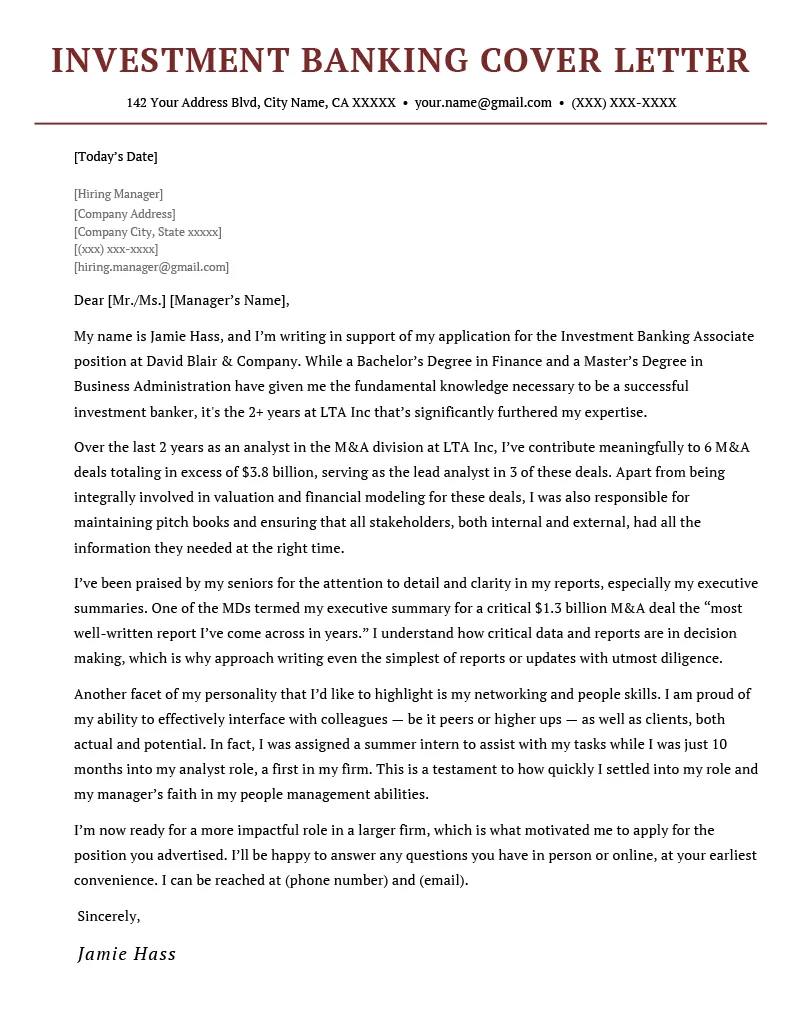
Structure your cover letter with a clear and logical format. Start with your contact information, the date, and the hiring manager’s contact information. Use a professional font like Times New Roman, Arial, or Calibri, and keep the font size between 10 and 12 points for readability. Divide your letter into clear paragraphs, with each paragraph focusing on a specific point. Begin with a strong opening statement that grabs the reader’s attention and states the position you’re applying for. In the body of the letter, highlight your skills, experiences, and achievements that are relevant to the job. Conclude with a call to action, expressing your interest in an interview and thanking the hiring manager for their time and consideration. Ensure that your cover letter is concise and easy to navigate, typically one page in length.
Tone and Language
The tone of your cover letter should be professional yet engaging. Use a confident and enthusiastic tone that reflects your passion for finance and your interest in the specific job. Choose your words carefully, using strong action verbs and avoiding overly casual language or slang. Maintain a respectful and courteous tone throughout the letter. Avoid sounding desperate or entitled; instead, focus on your qualifications and how you can contribute to the company’s success. Proofread your cover letter carefully to ensure there are no errors in grammar or spelling. Make sure your language is clear, concise, and easy to understand. A well-written cover letter with the right tone will effectively showcase your personality and make you a more compelling candidate.
In conclusion, crafting a top-notch finance job cover letter requires careful attention to detail and a strategic approach. By following these five key tips – highlighting your skills, quantifying your achievements, tailoring your letter to the job description, demonstrating your understanding of the company, and maintaining a professional format and tone – you can significantly improve your chances of landing an interview and securing your dream finance job. Remember to always tailor your cover letter to each specific job and company, showcasing your unique qualifications and passion for the financial industry. Good luck with your job search!