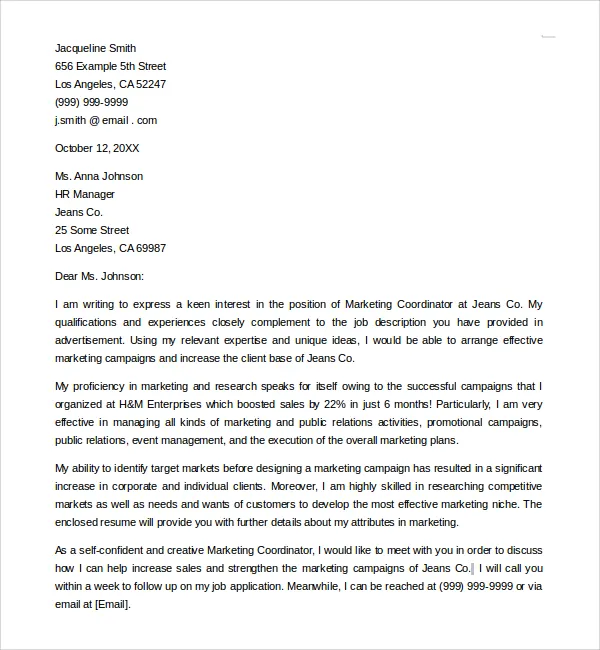
Entry Level Job Cover Letter
Navigating the job market as an entry-level candidate can feel overwhelming, especially when it comes to crafting a compelling cover letter. Your entry level job cover letter is your first impression, a critical tool that can significantly influence whether you secure an interview. This guide provides seven essential tips to help you write a cover letter that not only grabs the reader’s attention but also effectively showcases your skills, enthusiasm, and potential. Whether you’re a recent graduate, a career changer, or simply starting your job search, mastering the art of the cover letter is a crucial step towards landing your dream job. It is the opportunity to go beyond your resume and tell a story that highlights your unique value proposition to the potential employer.
Understand the Purpose of a Cover Letter
Before you start writing, it’s important to grasp the fundamental purpose of a cover letter. Unlike a resume, which is a factual document, your cover letter is your chance to demonstrate your personality, passion, and genuine interest in the role and the company. It’s not just a summary of your resume; it’s a narrative that explains why you are the perfect fit. Think of it as a way to connect your skills and experiences to the specific requirements of the job. A well-crafted cover letter provides context, allowing you to expand on your qualifications and explain why your career goals align with the company’s mission and the role’s responsibilities. This understanding is the foundation upon which you’ll build your letter.
Highlight Relevant Skills

Entry-level candidates might lack extensive work experience, but they possess a wealth of transferable skills gained from education, extracurricular activities, volunteer work, and personal projects. Identify the key skills the employer is looking for in the job description and then explicitly demonstrate how you’ve acquired and applied those skills. For example, if the job requires strong communication skills, provide examples of how you’ve successfully communicated in group projects, presentations, or customer service roles. Focus on achievements rather than simply listing responsibilities. Use action verbs to describe your contributions and quantify your results whenever possible. For instance, instead of saying, “Managed social media,” you could say, “Increased social media engagement by 30% within three months by implementing targeted content strategies.” This concrete evidence will set you apart.
Research the Company
One of the most effective ways to impress a hiring manager is to show that you’ve done your homework. Research the company thoroughly. Visit their website, read their “About Us” section, browse their social media, and look for recent news or announcements. Understanding the company’s mission, values, and current projects will allow you to tailor your cover letter to their specific needs. In your letter, mention specific aspects of the company that appeal to you and explain why you’re drawn to their work. This shows that you’re genuinely interested in the opportunity and that you’re not just sending out a generic application. It also gives you the chance to demonstrate how your skills and interests align with the company’s goals. This level of personalization will make your application much more memorable.
Tailor Your Letter
Avoid the temptation to use a generic cover letter template for every application. Take the time to customize each letter to the specific job and company. Start by carefully reviewing the job description and identifying the key requirements. Then, structure your letter to directly address those requirements. Explain how your skills, experiences, and qualifications align with what the employer is seeking. Show, don’t just tell. Provide concrete examples of your achievements and skills that demonstrate your ability to succeed in the role. This tailored approach shows that you’ve carefully considered the position and that you are genuinely interested in the opportunity. It also significantly increases your chances of making a positive impression and standing out from the competition. The more personalized your letter, the better.
Format Your Cover Letter Correctly

The format of your cover letter is just as important as its content. A well-formatted letter is easy to read and makes a professional impression. Use a clear, professional font such as Times New Roman, Arial, or Calibri, and keep the font size between 10 and 12 points. Ensure your letter is well-organized with clear headings and paragraphs. Start with your contact information, the date, and the hiring manager’s name (if you know it). Use a professional salutation, such as “Dear Mr./Ms. [Last Name],” and a polite closing, such as “Sincerely” or “Best regards.” Keep the letter concise, ideally no more than one page. Use bullet points to highlight key achievements or skills when appropriate. A clean and professional format shows attention to detail and respect for the reader’s time, enhancing your overall presentation.
Proofread and Edit Meticulously
Typos, grammatical errors, and awkward phrasing can immediately undermine your credibility. Before you submit your cover letter, proofread it multiple times. Check for spelling mistakes, grammatical errors, and punctuation errors. Read the letter out loud to catch any awkward sentences or phrases. Consider asking a friend, family member, or career advisor to review your letter as a fresh pair of eyes can often spot errors you might have missed. Ensure your letter is clear, concise, and easy to read. A polished cover letter demonstrates attention to detail and a commitment to excellence, qualities that are highly valued by employers. A single mistake can create a negative impression, so take the time to ensure your letter is flawless.
Follow Up After Submission
After submitting your cover letter and resume, a follow-up can show your continued interest in the position. However, don’t follow up immediately. Give the employer a reasonable amount of time to review your application, usually about a week or two, before sending a polite follow-up email. In your email, reiterate your interest in the position, briefly mention your relevant skills, and ask if the hiring manager has any questions. Keep the email concise and professional. This follow-up demonstrates your proactive approach and can help you stay top-of-mind with the hiring team. It shows that you are eager and enthusiastic about the opportunity and that you are committed to the hiring process. It can also provide an additional opportunity to clarify any questions the employer might have about your qualifications.
Emphasize Your Enthusiasm and Fit

Entry-level candidates may not have years of experience, but they can demonstrate their enthusiasm and potential. Throughout your cover letter, showcase your passion for the field and your eagerness to learn and grow within the company. Explain why you are excited about the specific role and why you believe you are a good fit for the company’s culture. Highlight any relevant coursework, projects, or extracurricular activities that demonstrate your interests and skills. Even if you lack direct experience, you can still convey your potential by showcasing your willingness to learn, your proactive approach, and your ability to adapt and contribute. Your enthusiasm is infectious and can make a lasting impression. It shows that you are not just looking for a job, but that you are genuinely interested in making a meaningful contribution.
Conclusion
Crafting a standout entry-level job cover letter takes time and effort, but the payoff is well worth it. By understanding the purpose of a cover letter, highlighting your relevant skills, researching the company, tailoring your message, formatting correctly, proofreading meticulously, following up, and emphasizing your enthusiasm, you can significantly increase your chances of landing an interview and securing the job. Remember, your cover letter is your opportunity to make a great first impression and show the hiring manager why you are the perfect fit for the role. Good luck with your job search!