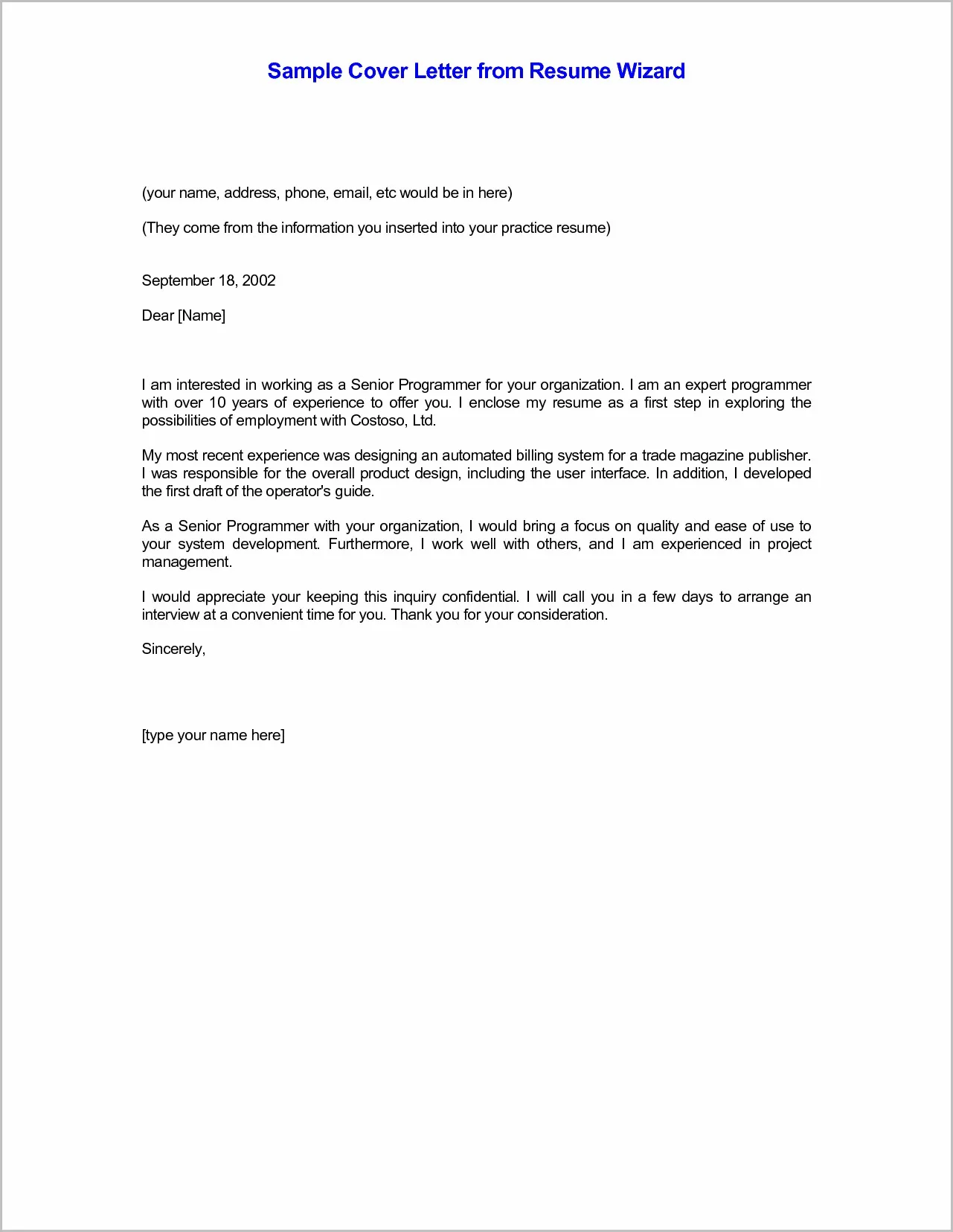
Crafting an Effective Email Resume Cover Letter
In the digital age, the email resume cover letter is often the first impression you make on a potential employer. It’s a concise and impactful introduction that accompanies your resume, providing context and highlighting your qualifications. Unlike a traditional cover letter sent through the mail, an email cover letter needs to be even more focused and compelling, as the recipient is likely skimming through a large number of applications. This guide provides a step-by-step approach to crafting a cover letter that grabs attention and increases your chances of landing an interview. An effective email resume cover letter is the key to opening doors and securing your dream job. Pay close attention to the tips below and prepare to wow your next hiring manager and take control of your career path with a thoughtfully crafted email cover letter that will set you apart from the competition and give you the best chance possible.
Understanding the Purpose of an Email Cover Letter
The primary purpose of an email cover letter is to introduce yourself, showcase your relevant skills and experience, and express your enthusiasm for the position and the company. It should be a brief but compelling summary that entices the reader to delve deeper into your resume. In essence, the cover letter acts as a marketing tool, selling your abilities and qualifications to the hiring manager. It also allows you to address any specific requirements or concerns outlined in the job posting, providing a direct link between your skills and the employer’s needs. A well-crafted cover letter demonstrates your communication skills, attention to detail, and genuine interest in the opportunity, setting the stage for a positive first impression and increased chances of getting noticed. The email cover letter is an important tool, which can be used to greatly improve your job prospects.
Formatting Your Email Resume Cover Letter

The format of your email cover letter is critical for readability and professionalism. Since the cover letter is part of the email body, keep it concise and easy to scan. Start with a professional greeting, such as “Dear [Hiring Manager Name],” or “Dear [Company Name] Hiring Team.” If the name of the hiring manager is unknown, it is best to use a generic salutation that still sounds professional. Use a clear, readable font and avoid using excessive formatting, such as bolding or underlining, which can be distracting. Break up large blocks of text into short paragraphs to improve readability. Ensure there is ample white space between paragraphs. Always proofread the letter before sending. Most important is that you maintain a professional tone. Consider using bullet points to highlight key skills or accomplishments, if appropriate. The goal is to make it easy for the recipient to quickly grasp your qualifications and understand why you are a good fit for the role, while ensuring that it is accessible from any device.
Subject Line Optimization for Email Cover Letters
The subject line is the first thing a hiring manager sees, so make it count. It should be clear, concise, and indicate the purpose of the email. Use the job title and your name to help the recipient quickly identify the position you are applying for. For example, “[Your Name] – Application for Marketing Manager Position.” Avoid generic subject lines, such as “Job Application.” This will ensure your email is easily identifiable and avoid getting lost in a crowded inbox. If the job posting has a specific reference number, include it in the subject line as well. Make sure your subject line is clear, concise, and professional. Always triple-check for accuracy. It’s important to stand out, but avoid being too clever or gimmicky. The goal is to get the email opened and read, so keep it simple and direct.
Key Elements to Include in Your Email Cover Letter
An effective email cover letter should include several key elements. Begin with a compelling opening that grabs the reader’s attention and states the position you are applying for and where you found it. Briefly explain why you are interested in the role and the company. In the body of the letter, highlight your most relevant skills and experiences, providing specific examples to demonstrate your accomplishments. Quantify your achievements whenever possible. Show, don’t just tell, by using data and metrics. Tailor the content to the specific requirements of the job description. Conclude with a strong closing that reiterates your interest and calls for action, such as expressing your eagerness to discuss the opportunity further. Provide a clear and professional sign-off, such as “Sincerely” or “Best regards,” followed by your full name and contact information. Keep your email signature concise and easy to read to allow for quick contact.
Personalizing Your Email Resume Cover Letter

Personalization is key to making your cover letter stand out. Avoid using a generic, one-size-fits-all approach. Research the company and tailor your letter to demonstrate your genuine interest in their mission, values, and culture. Mention specific aspects of the company that resonate with you and explain why you are drawn to their work. Personalize the letter by addressing it to the hiring manager by name whenever possible. Show you’ve taken the time to learn about the company and the role. Customize your letter to highlight the skills and experiences that are most relevant to the specific job description. Show, don’t just tell, how your skills align with the needs of the company. Demonstrating that you understand the company’s goals and how you can contribute to their success is an important step.
Highlighting Relevant Skills and Experience
When highlighting your skills and experience, focus on the qualifications that are most relevant to the job. Review the job description carefully and identify the key requirements. Then, provide specific examples of how you have demonstrated those skills in the past. Use action verbs to describe your accomplishments and quantify your results whenever possible. For example, instead of saying “Managed social media,” say “Increased social media engagement by 30% in six months.” Use a skills-based approach, highlighting your core competencies, followed by specific examples of how you have used those skills to achieve results. This will make your cover letter more impactful and show the hiring manager that you are a strong candidate. Be sure to include a summary of your skills and accomplishments in your cover letter.
Demonstrating Your Interest and Enthusiasm
Expressing your interest and enthusiasm is crucial for making a positive impression. Clearly state why you are excited about the opportunity and the company. Show that you have done your research and understand their mission, values, and goals. Highlight any specific projects or achievements that align with the company’s work. Demonstrate your passion for the industry and your eagerness to contribute to the company’s success. Avoid generic phrases and instead, personalize your message to show that you are genuinely interested in the role and the organization. This can be done by mentioning specific aspects of the company’s work that appeal to you or by referencing a recent accomplishment or initiative of the company.
Proofreading and Editing Your Email Cover Letter

Before sending your email cover letter, proofread it carefully for any errors in grammar, spelling, or punctuation. Errors can create a negative impression and undermine your credibility. Read the letter aloud to catch any awkward phrasing or typos. Use a grammar checker and spell checker, but don’t rely on them entirely. Ask a friend or family member to review the letter for clarity and accuracy. Ensure the letter is well-organized and easy to read. Pay attention to formatting and make sure the email is easy to scan. Double-check all contact information to ensure it is correct. A polished and error-free cover letter demonstrates your attention to detail and professionalism. A well-proofread document reflects well on your attention to detail.
Sending Your Email Resume Cover Letter
When sending your email cover letter, attach your resume as a PDF document. This ensures that the formatting is preserved and that the document can be opened by any recipient. Use a professional email address. Keep the email body concise and friendly. In the email body, reiterate your interest in the position and provide a brief overview of your qualifications. Thank the hiring manager for their time and consideration. Include your contact information in both the email body and the signature. Send the email at a reasonable time, avoiding late-night or early-morning hours. Follow up with the hiring manager within a week or two if you haven’t heard back, to reiterate your interest. A well-sent email increases your chances of landing an interview and starting your job search journey. Following the steps will help you secure an interview.