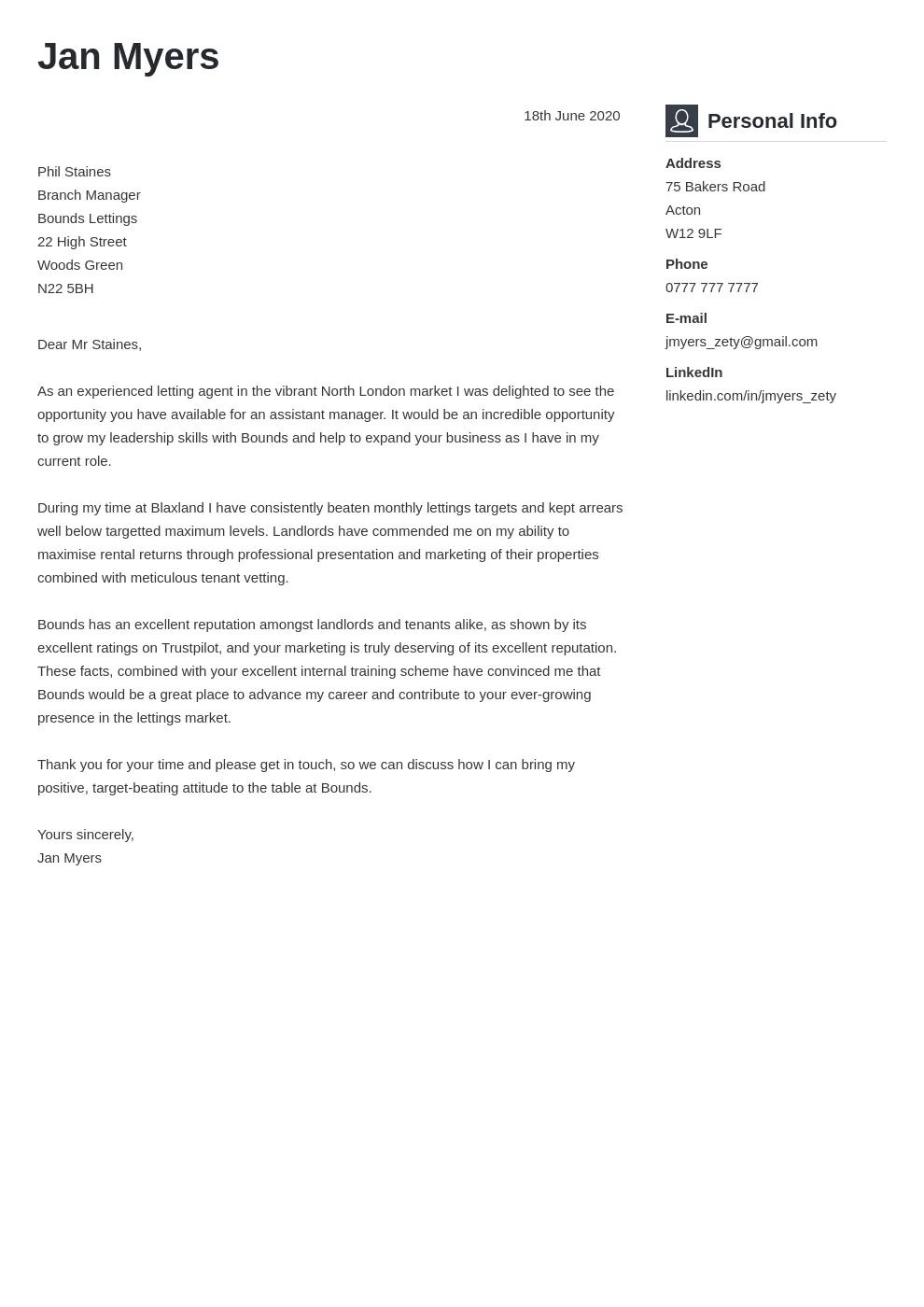
Understanding the Importance of CV and Cover Letter
Your CV (Curriculum Vitae) and cover letter are your first impressions on potential employers, acting as critical gateways to securing job interviews. They serve as introductions, allowing you to showcase your skills, experience, and qualifications in a way that immediately grabs attention. In the competitive job market, a well-crafted CV and cover letter can be the determining factor in whether your application moves to the next round or gets lost in the shuffle. Recognizing their importance and dedicating time to their creation is a crucial step in any successful job search. A strong CV and cover letter not only highlight your achievements but also demonstrate your professionalism, attention to detail, and genuine interest in the position.
The Purpose of a CV and Cover Letter
The primary purpose of a CV is to provide a comprehensive overview of your professional and academic background. It is a detailed document that outlines your work history, education, skills, and accomplishments. The cover letter, on the other hand, is a more personalized document that complements your CV. Its purpose is to introduce you to the hiring manager, express your interest in the specific role, and explain why you are a strong fit for the position. Together, they create a compelling narrative that can persuade employers to invite you for an interview. A well-written cover letter should demonstrate your personality, enthusiasm, and ability to communicate effectively, while the CV provides the concrete evidence to support your claims.
How CV and Cover Letters Work Together

The CV and cover letter should work in tandem to present a cohesive picture of your qualifications and suitability for a job. The CV provides the factual details, while the cover letter offers a narrative that connects your skills and experience to the job requirements. The cover letter should reference specific achievements and skills mentioned in your CV, providing context and emphasizing their relevance. This combination allows you to make a stronger case for why you should be considered for the position. Ensure that the cover letter complements and expands on the information in your CV, rather than simply repeating it. Tailor both documents to each specific job application to demonstrate that you understand the role and are genuinely interested in the opportunity.
Key Components of an Effective CV
Contact Information
Start your CV with your contact information, including your full name, phone number, email address, and professional LinkedIn profile URL (if you have one). Make sure your email address is professional and that your contact information is accurate and up-to-date. This is crucial, as it’s how potential employers will reach you. Double-check all details for accuracy to avoid missing out on opportunities due to incorrect contact information. Consider including your location (city and state/country) but avoid including your full address for privacy reasons.
Professional Summary or Objective

Include a brief professional summary or objective at the beginning of your CV. A professional summary is a concise overview of your experience and skills, while an objective states your career goals. A professional summary is generally preferred, as it focuses on what you can offer the employer. Keep it short, typically no more than three or four sentences, and tailor it to the specific job you are applying for. Highlight your key strengths and accomplishments and mention the type of role you are seeking. If you are a recent graduate or changing careers, an objective can be useful to state your career aspirations.
Work Experience
This is the core of your CV. List your work experience in reverse chronological order, starting with your most recent job. For each position, include the job title, company name, dates of employment, and a list of responsibilities and achievements. Use action verbs to describe your accomplishments and quantify your results whenever possible. Instead of simply listing your duties, focus on what you achieved in each role, such as ‘Increased sales by 15% within one quarter’ or ‘Managed a team of 10 employees, improving team performance by 20%’. Tailor this section to align with the job description, emphasizing the skills and experiences that are most relevant.
Education
Include details about your education, starting with your highest degree. List the degree, major, university name, and graduation date. If you have a high GPA or received any honors, you can also include this information. If you are a recent graduate, place the education section before your work experience. For those with extensive work experience, this section is usually placed after. Include any relevant coursework or special projects that align with the job requirements, especially if you are lacking in professional experience.
Skills Section

Create a dedicated skills section to highlight your key competencies. You can categorize your skills into technical skills, soft skills, and language skills. List the skills most relevant to the jobs you are applying for, as these are often scanned by applicant tracking systems. Be honest and accurate, and consider including proficiency levels (e.g., proficient, intermediate, beginner). Include both hard and soft skills, such as project management, communication, and problem-solving. This allows potential employers to quickly assess your suitability for the role and identify areas where your expertise aligns with their needs.
Additional Sections (Optional)
You can include additional sections to provide more context or highlight achievements. These might include certifications, awards, publications, volunteer experience, or professional affiliations. Only include sections that are relevant to the jobs you are applying for and that showcase your abilities and experience. If you have a portfolio, include a link to it in this section. Consider adding a section for your interests and hobbies if they are relevant to the job or help demonstrate your personality and well-roundedness, but be mindful of the employer’s culture and the relevance of the information.
Writing a Compelling Cover Letter
Formatting Your Cover Letter

Use a professional format, similar to the one used for your CV. Keep the layout clean and easy to read, using a standard font like Times New Roman or Arial. Use single spacing with a space between each paragraph. Your cover letter should typically be no longer than one page. Use consistent formatting with your CV to present a cohesive professional image. Include your contact information at the top, matching the format of your CV. Ensure the letter is well-organized, with a clear introduction, body paragraphs, and conclusion.
Addressing the Hiring Manager
Whenever possible, address the hiring manager by name. Research the company and the specific role to find out who the hiring manager is. Addressing the hiring manager directly shows that you’ve taken the time to learn about the company and the position. If you cannot find the hiring manager’s name, use a general salutation like ‘Dear Hiring Manager’ or ‘Dear [Company Name] Team’. Avoid generic greetings like ‘To Whom It May Concern,’ as this is less personal.
Highlighting Your Skills and Experience
Use the cover letter to highlight your most relevant skills and experiences. Reference specific achievements mentioned in your CV and explain how they align with the job requirements. Provide context for your accomplishments and demonstrate how your skills can benefit the company. Tailor your cover letter to each job, emphasizing the aspects of your background that are most relevant to the specific role. Don’t just reiterate your CV; expand on your accomplishments and show how you have made a positive impact in previous roles.
Expressing Your Enthusiasm

Express your enthusiasm for the role and the company. Explain why you are interested in the position and what attracts you to the organization. Show that you have researched the company and understand its mission and values. Expressing your genuine interest increases your chances of making a positive impression. Demonstrate that you are eager to contribute your skills and experience and that you are excited about the opportunity. This can set you apart from other candidates.
Tips for Formatting and Design
Choosing the Right Font and Size
Choose a professional and easy-to-read font, such as Times New Roman, Arial, or Calibri. Use a font size between 10 and 12 points for the main body text. Ensure the font is consistent throughout the document, making it visually appealing. Avoid using overly stylized fonts that can be difficult to read. A clean, clear font improves readability and helps the reader focus on your content. Consistent formatting throughout the CV and cover letter creates a polished and professional appearance.
Layout and Structure

Use a clean layout with clear headings and sections to organize the information. Use bullet points to highlight key achievements and responsibilities. Leave enough white space to avoid a cluttered appearance. Ensure the layout is consistent throughout the document. The structure should be logical and easy to follow, allowing the reader to quickly find the information they need. Well-organized content makes it easy for the hiring manager to understand your qualifications.
Using Keywords Strategically
Review the job description and identify the keywords that the employer uses to describe the role and desired skills. Integrate these keywords naturally into your CV and cover letter. This helps applicant tracking systems (ATS) identify your application as a match. Make sure to use keywords in a contextually appropriate way, avoiding keyword stuffing. Use keywords in your skills section, job descriptions, and summary sections. This also makes it easier for the hiring manager to quickly identify relevant information.
Common Mistakes to Avoid
Grammatical Errors and Typos
Proofread your CV and cover letter meticulously for any grammatical errors or typos. These errors can create a negative impression and may disqualify your application. Use spell-check and grammar-check tools, but don’t rely solely on them; review your documents carefully. Consider having a friend or family member proofread your CV and cover letter for any mistakes you might have missed. Accurate and error-free writing demonstrates your attention to detail and professionalism.
Generic Cover Letters
Avoid sending generic cover letters that could be sent to any employer. Customize each cover letter for the specific job and company you are applying to. Show that you have researched the company and understand the role. Demonstrate why you are a good fit for this particular position, rather than just listing your qualifications. Tailoring your cover letter shows that you have taken the time to understand the company’s needs and are genuinely interested in the opportunity. Personalization significantly increases the likelihood of your application standing out.
Exaggerating Your Skills
Do not exaggerate your skills or experience, as this can damage your credibility. Be honest and accurate in your descriptions. If you are asked about your skills in an interview, be prepared to provide examples that demonstrate your abilities. Overstating your capabilities can lead to disappointment for both you and the employer. Honesty builds trust and can help you find a role that is a good fit for your actual skill set. Focus on highlighting your strengths and showcasing your genuine accomplishments.
Proofreading and Editing
Always proofread your CV and cover letter before submitting your application. Read through the documents multiple times, paying close attention to grammar, spelling, and formatting. Use a fresh pair of eyes to catch any errors you might have missed. Ensure the language is clear and concise, and that the documents are easy to read. Proofreading ensures that you make a professional impression and helps convey your attention to detail. A well-edited document reflects positively on your communication skills.
Resources and Tools
CV Templates
Utilize online CV templates to streamline the process of creating your document. These templates provide a structured format and can help you organize your information effectively. Choose a template that aligns with your industry and the type of job you are applying for. Popular platforms, such as Canva, Microsoft Word, and Google Docs, offer a variety of free and paid templates. Customize the template to fit your content and personal branding for a unique presentation.
Cover Letter Examples
Review cover letter examples to gain insight into structure, style, and content. Many websites and career resources offer sample cover letters for various industries and job roles. Pay attention to the tone and language used in the examples. Customize the examples to suit your own background and the specific jobs you are applying for. Use them as inspiration rather than direct copies. Studying different examples will help you understand how to effectively present your qualifications and express your enthusiasm for the opportunity.
Online Resources for Job Seekers
Leverage online resources, such as LinkedIn, Indeed, and career websites, for guidance. These platforms offer articles, templates, and tips for writing effective CVs and cover letters. Use career blogs and forums to learn from experienced professionals and gain insights into job search strategies. Take advantage of free online courses and workshops on resume writing and job search techniques. LinkedIn, in particular, is an excellent resource for networking, job searching, and researching companies. Stay informed about industry trends and best practices.