Understanding CV & Cover Letter Basics
In the competitive landscape of modern job hunting, your CV (Curriculum Vitae) and cover letter are your initial ambassadors. They represent your skills, experience, and potential to a prospective employer. Understanding the fundamentals of each document is the first step toward crafting materials that captivate and secure you an interview. A well-structured CV and cover letter combination not only showcase your qualifications but also demonstrate your attention to detail, communication skills, and understanding of the professional environment. This guide will provide a comprehensive overview, from the core components to the nuanced strategies that can elevate your application above the competition. Mastering these elements is crucial for anyone looking to advance their career.
What is a CV?
A CV, or Curriculum Vitae, is a comprehensive overview of your academic and professional history. It’s a detailed document that provides an in-depth look at your qualifications, including your education, work experience, skills, achievements, and any relevant publications or awards. Unlike a resume, which is typically one to two pages, a CV can be longer, often extending to several pages, particularly for those with extensive experience. This format allows you to provide a thorough account of your background, making it an essential tool for roles that require a deep dive into your professional journey. Your CV serves as a detailed chronicle of your professional life, enabling potential employers to assess your suitability for the position.
Key Sections of a CV

A well-structured CV typically includes several key sections, each serving a specific purpose in presenting your qualifications. Start with your contact information, ensuring it is current and professional. Following this, many include a professional summary or objective, offering a brief overview of your career goals and key skills. The experience section details your work history, including job titles, company names, dates of employment, and a description of your responsibilities and achievements. Your education section lists your degrees, institutions attended, and dates of graduation. Furthermore, include a skills section highlighting your technical, soft, and language skills. Additional sections may encompass publications, awards, certifications, and any other relevant information. Each section should be clear, concise, and tailored to the specific jobs you are applying for, demonstrating your adaptability and suitability.
What is a Cover Letter?
A cover letter is a one-page document that accompanies your CV, serving as a personalized introduction to your application. Its primary goal is to highlight your key qualifications, express your interest in the specific role and company, and explain why you are a strong fit. Unlike the CV, which provides a factual overview, the cover letter allows you to demonstrate your personality, communication skills, and enthusiasm for the position. It should be customized for each application, directly referencing the requirements of the job and showcasing how your skills and experience align with the employer’s needs. This personalization is crucial for making a positive impression and convincing the hiring manager to read your CV in detail.
The Purpose of a Cover Letter
The primary purpose of a cover letter is to persuade the hiring manager to consider your application favorably. It is an opportunity to explain why you are the ideal candidate, elaborating on how your skills and experiences meet the specific job requirements. By addressing the employer directly, the cover letter allows you to showcase your communication skills and express your genuine interest in the role and the company. It should highlight your most relevant qualifications, demonstrating how you can contribute to the organization’s goals. In addition to presenting your credentials, the cover letter is a means to convey your enthusiasm, personality, and understanding of the company culture, all of which can set you apart from other applicants.
Crafting a Compelling CV

Crafting a compelling CV involves more than simply listing your experience; it’s about strategically presenting your qualifications to make a strong impression. Start by tailoring your CV to match the specific requirements of each job application. Highlight the skills and experiences most relevant to the position, and use action verbs to describe your accomplishments. Quantify your achievements whenever possible; using numbers to demonstrate the impact of your work adds credibility. Ensure your CV is well-organized, easy to read, and free of errors. Pay close attention to the formatting, using clear headings, bullet points, and sufficient white space. Regularly update and refine your CV to reflect your most recent experience and skills, making it a dynamic representation of your professional profile.
Formatting Your CV for Impact
Effective formatting is crucial for ensuring your CV is both readable and visually appealing. Use a clean, professional font such as Arial, Calibri, or Times New Roman, and maintain a consistent font size throughout the document. Employ clear headings and subheadings to organize your information logically, making it easy for the reader to find the key details. Use bullet points to highlight your responsibilities and achievements, keeping each point concise and impactful. Incorporate sufficient white space to prevent the document from appearing cluttered. Consider the overall structure and flow, arranging your information in a way that highlights your most relevant qualifications early on. A well-formatted CV not only enhances readability but also demonstrates your attention to detail and professionalism.
Choosing the Right CV Template
Selecting the right CV template can significantly influence how your qualifications are perceived. Choose a template that aligns with your profession and the specific roles you are targeting. Consider whether a chronological, functional, or combination format best showcases your skills and experience. Chronological templates are ideal for candidates with a consistent work history, while functional templates are suitable for those emphasizing skills over experience. Combination templates blend both formats to provide a balanced overview. Ensure that the template is clean, modern, and easy to read, avoiding overly elaborate designs that might distract from your content. Customize the template to include your personal branding elements, ensuring it reflects your professional identity and the specific requirements of the job.
Highlighting Your Skills and Experience

Effectively highlighting your skills and experience is crucial for demonstrating your suitability for a role. Carefully review the job description and identify the key skills and experiences the employer is seeking. Tailor your CV to reflect these requirements, emphasizing the experiences and skills that are most relevant. Use action verbs to describe your accomplishments, and provide specific examples to illustrate your capabilities. Quantify your achievements whenever possible, using metrics to show the impact of your work. Organize your skills section strategically, grouping skills into categories such as technical, soft, and language skills. Regularly update your CV to include new skills and experiences, ensuring it accurately represents your evolving professional profile and makes it a compelling and relevant document.
Writing a Strong Cover Letter
Writing a strong cover letter involves more than simply reiterating your CV; it’s an opportunity to personalize your application and make a compelling case for your candidacy. Start by addressing the hiring manager by name, if possible, and clearly state the position you are applying for. Highlight your key qualifications and experiences, explaining how they align with the job requirements. Express your enthusiasm for the role and the company, demonstrating that you have researched the organization and understand its values and goals. Use concise, professional language, and focus on the value you can bring to the employer. Proofread your cover letter carefully to ensure it is free of errors, making it a persuasive and professional introduction to your application.
Tailoring Your Cover Letter to the Job
Tailoring your cover letter to each job is essential for demonstrating your genuine interest and suitability for the position. Carefully review the job description and identify the key requirements and qualifications the employer is seeking. Customize your cover letter to address these specific points, providing examples of how your skills and experiences align with their needs. Show that you understand the company’s mission, values, and culture, and explain how you can contribute to their success. Avoid using generic language and instead personalize your letter to reflect your unique qualifications and the specific role. By tailoring your cover letter, you demonstrate your attention to detail, your understanding of the company, and your commitment to securing the position.
Opening and Closing Statements that Grab Attention

Your opening and closing statements are crucial for making a lasting impression and encouraging the reader to learn more about you. Your opening should immediately grab the reader’s attention, clearly stating the position you are applying for and why you are interested in the role. You might start with a compelling anecdote, a statement about your relevant achievements, or a clear expression of your enthusiasm. In your closing, reiterate your interest in the position and thank the reader for their time. Include a call to action, such as expressing your availability for an interview, or making a reference to following up. Make both statements personal and engaging, demonstrating your interest in the opportunity and solidifying your professional image.
Keywords and Phrases to Include
Incorporating relevant keywords and phrases into your CV and cover letter is crucial for optimizing your application and increasing your chances of being noticed by Applicant Tracking Systems (ATS) and recruiters. Carefully review the job description and identify the key skills, qualifications, and industry-specific terms the employer is seeking. Integrate these keywords naturally throughout your documents, ensuring they align with your experience and accomplishments. Use a variety of keywords, including technical skills, soft skills, and industry-specific jargon. Regularly update your documents to reflect the latest industry trends and search terms. By strategically including keywords and phrases, you improve your visibility and demonstrate your familiarity with the language of your profession.
Optimizing Your CV & Cover Letter
Optimizing your CV and cover letter involves several key strategies to ensure they effectively convey your qualifications. Tailor your documents to each specific job, highlighting the skills and experiences most relevant to the position. Use action verbs to describe your accomplishments, and quantify your achievements whenever possible. Ensure your documents are easy to read, well-organized, and free of errors. Include relevant keywords and phrases, and use a professional, clean format. Proofread your documents carefully before submitting them. Regularly update your CV and cover letter to reflect your latest experience and skills, making it a dynamic representation of your professional profile. Consider the Applicant Tracking Systems (ATS) and the format used to ensure proper parsing.
Proofreading and Editing Your Documents

Proofreading and editing are critical steps in preparing your CV and cover letter, as they significantly impact the impression you make on potential employers. Carefully review your documents for any spelling, grammar, punctuation, or formatting errors. Read your documents aloud to catch any awkward phrasing or sentence structure. Consider having a friend, family member, or career advisor review your documents for an objective perspective. Ensure the tone and style of your documents are professional and appropriate for the positions you are targeting. Proofreading and editing show your attention to detail, making it a strong indication of your potential to do well in the job.
Using Applicant Tracking Systems (ATS)
Applicant Tracking Systems (ATS) are widely used by companies to screen CVs and cover letters. Understanding how to optimize your documents for ATS is essential for ensuring your application is reviewed. Use a simple, clear format with a professional font and standard headings. Avoid using tables, graphics, or complex formatting that may not be read correctly by the system. Include relevant keywords from the job description throughout your documents, but ensure they are used naturally. Save your documents in a compatible format, such as .docx, and avoid using unusual characters or symbols. By understanding and adapting to ATS requirements, you increase your chances of your application being seen by human recruiters.
CV & Cover Letter Mistakes to Avoid
Avoiding common mistakes is crucial for presenting a professional and effective CV and cover letter. Avoid using generic language or templates that do not reflect your unique qualifications. Refrain from including irrelevant information or exaggerating your skills and experience. Ensure your documents are free of spelling and grammar errors. Do not use overly complex or cluttered formatting that is difficult to read. Avoid including unprofessional or inappropriate language or images. Refrain from providing excessive personal information or omitting key details. By avoiding these mistakes, you improve the quality and impact of your application and increase your chances of landing the job.
Common Errors and How to Fix Them

Identifying and correcting common errors is crucial for ensuring your CV and cover letter are polished and professional. One of the most common errors is spelling and grammar mistakes. Review your documents carefully, using a spellchecker and grammar checker. Another common error is using vague or generic language. Replace vague phrases with specific examples and quantify your achievements. Formatting errors, such as inconsistent fonts or spacing, can also detract from your application. Ensure your documents have a clean, consistent, and readable layout. Finally, make sure to tailor your documents to each job, showcasing your relevant qualifications. Fixing these errors demonstrates your attention to detail and professionalism, increasing the chances of your application being successful.
Examples and Templates
Using examples and templates can be a valuable resource in creating effective CVs and cover letters. They offer guidance on structure, formatting, and content, providing a framework for you to build upon. However, use templates as inspiration rather than a rigid guideline, as each document should be customized to reflect your unique qualifications and the specific job requirements. There are various CV and cover letter templates available online, designed for different professions and experience levels. Review these examples to understand how to present your information effectively and highlight your key skills and achievements. By adapting and personalizing these examples, you can create documents that stand out and capture the attention of hiring managers.
CV & Cover Letter Examples
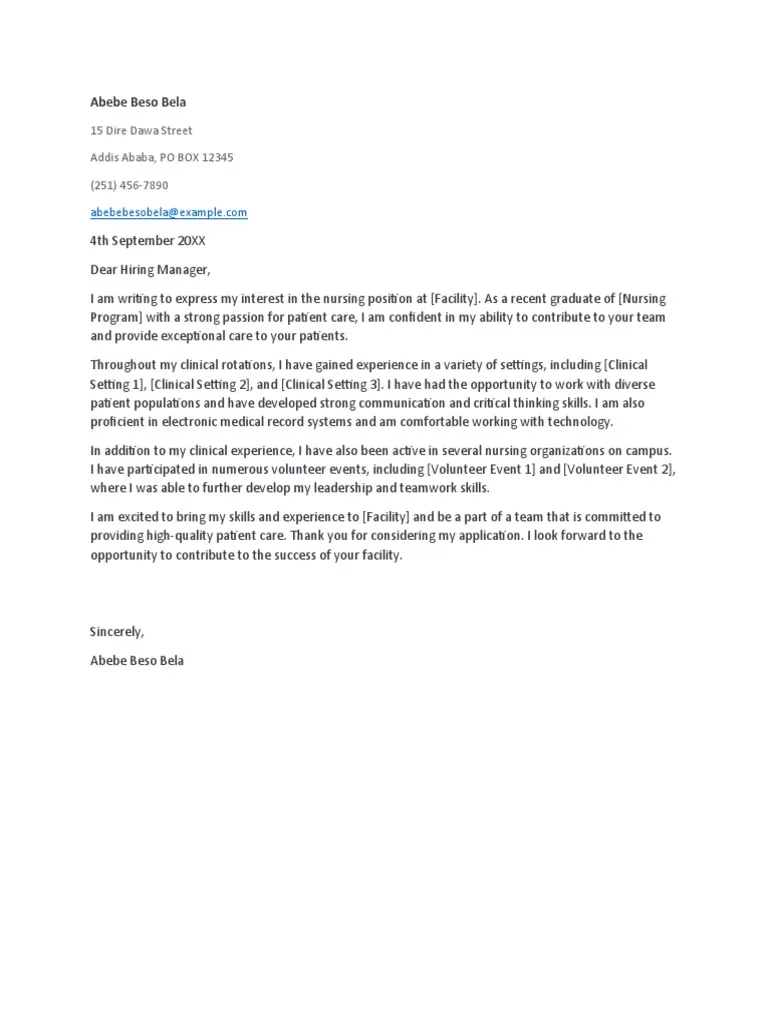
Here are some general examples of how the sections in your CV and cover letter would appear. This is just for an example, your CV and cover letter should be specific for the job you’re applying for. The contact information would be as following: Your Name, Your Phone Number, Your Email, Your LinkedIn Profile (Optional). For the work experience, each section should contain the job title, company, dates of employment, and 3-5 bullet points with responsibilities and achievements. For the education, include your degree, major, university, and graduation date. For the cover letter, it would open with a greeting and then explain your interest, how you match the job requirements, and closing with a call to action.
Cover Letter Examples
Cover letters vary greatly depending on the job and applicant, but all share a similar structure. For the opening, it should state the position you are applying for and why you are interested in the job. Then, it should showcase your skills and why you’re a good fit. Quantify your achievements when possible. After that, it will close by restating interest and thanking the hiring manager. Remember to customize it, it should address a specific person and job description. This will show the hiring manager that you are the best fit for the job.