Understand the Purpose of a Cover Letter
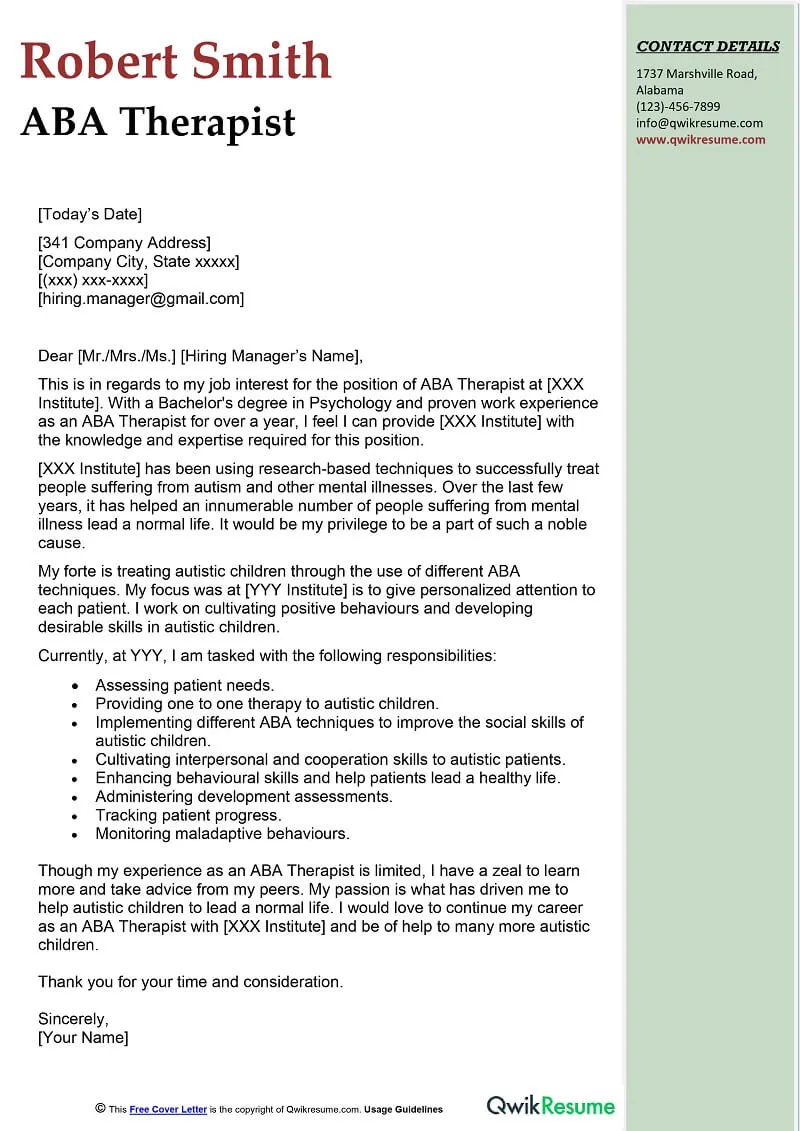
A cover letter is your first chance to make a strong impression on a potential employer. It’s more than just a formality it’s a critical marketing tool that allows you to introduce yourself, highlight your qualifications, and express your enthusiasm for the behavior therapist position. Think of it as a personalized introduction that complements your resume and provides context to your skills and experience. A well-crafted cover letter demonstrates your understanding of the job requirements, showcases your writing abilities, and reveals your personality, setting you apart from other applicants. It is your opportunity to convince the hiring manager that you are the right fit for the role and the organization.
Highlight Your Relevant Skills
The best cover letters are tailored to the specific requirements of each job. Review the job description carefully and identify the skills and qualities the employer is seeking. Then, use your cover letter to emphasize the skills that match these requirements. Skills can include assessment, intervention, data collection, collaboration, and communication. Provide specific examples of how you’ve used these skills in previous roles or experiences. For instance, instead of just stating you have experience with data collection, describe a specific project where you effectively utilized data to measure client progress and adjust treatment plans. Demonstrating your skills in action makes your qualifications more compelling and shows the employer how you can contribute to their team.
Emphasize Your Experience

Your experience is one of your most valuable assets as a behavior therapist. In your cover letter, provide a concise overview of your relevant work history. Focus on experiences that align with the job requirements. If the job description emphasizes experience with a specific population, highlight your previous work with that group. Use action verbs to describe your responsibilities and accomplishments, such as “conducted functional behavior assessments,” “developed individualized treatment plans,” or “trained staff in behavioral techniques.” Quantify your achievements whenever possible. For example, you might mention the number of clients you have worked with, the duration of your experience, or any positive outcomes you helped achieve. Providing concrete details gives the reader a clearer picture of your capabilities.
Showcase Your Accomplishments
Don’t just list your job duties; showcase your accomplishments. Use your cover letter to highlight what you’ve achieved in previous roles. These accomplishments demonstrate your impact and make you a more attractive candidate. Consider any initiatives you led, problems you solved, or improvements you implemented. Did you develop a new program that increased client engagement? Did you improve data collection accuracy by implementing a new system? Did you receive positive feedback from clients or supervisors? Quantify your achievements whenever possible. For example, instead of saying you “improved client outcomes,” specify by how much. Did you contribute to a 20% increase in progress? Providing this detail provides tangible evidence of your capabilities, making you a standout applicant.
Tailor Your Letter to the Job Description
One of the most crucial tips for writing a successful cover letter is to tailor it to each job. Never send a generic cover letter. Instead, carefully review the job description, noting the specific skills, qualifications, and experience the employer is seeking. Then, customize your cover letter to address these requirements directly. This shows the hiring manager that you’ve taken the time to understand their needs and that you are a good fit for the role. Highlight the keywords mentioned in the job description throughout your letter. For example, if the job ad mentions experience with autism spectrum disorder, be sure to emphasize any relevant experience you have in this area. This targeted approach significantly increases your chances of getting noticed and securing an interview.
Keywords and Phrases

Use keywords and phrases from the job description throughout your cover letter. Applicant Tracking Systems (ATS) scan cover letters and resumes for these keywords. By incorporating them, you increase the likelihood of your application making it past the initial screening process. Identify the most important keywords by carefully reading the job description. These might include specific skills (e.g., “ABA therapy,” “functional behavior assessments”), software or tools (e.g., “data collection systems”), and qualifications (e.g., “BCBA certification”). Integrate these keywords naturally into your sentences and paragraphs. Ensure the language you use reflects the language used in the job posting, as this can help your application resonate with the hiring manager.
Company Research
Before writing your cover letter, conduct thorough research on the company. Understand their mission, values, and the services they provide. This information will allow you to tailor your letter to their specific needs and demonstrate your genuine interest in the organization. Visit the company’s website, read their social media pages, and search for any recent news or press releases. Look for information that reveals their culture, their clients, and their goals. Use this information to demonstrate how your skills and experience align with their mission. For example, if the company emphasizes a collaborative environment, you can highlight your experience working effectively in a team. Customizing your letter to reflect the organization’s values helps you stand out.
Use a Professional Format
The format of your cover letter is important. It should be professional, easy to read, and well-organized. A clean and structured format reflects your attention to detail and professionalism. Use a standard business letter format, including your contact information, the date, and the recipient’s contact information. Choose a professional font, such as Times New Roman, Arial, or Calibri, and use a font size between 10 and 12 points. Ensure that your margins are set to one inch on all sides. Proper formatting shows the hiring manager that you pay attention to detail and that you are serious about the position. This immediately makes you a more credible candidate.
Header and Contact Information

Your cover letter should include a clear header with your contact information. This makes it easy for the hiring manager to contact you. Include your full name, address, phone number, and professional email address. Make sure the email address is professional and appropriate. Avoid using nicknames or casual language. If you have a LinkedIn profile, include the URL in your header. This allows the employer to easily view your professional background and network. Always make sure all information is current and accurate. Double-check your phone number and email address to ensure they are correct. This ensures that the employer can reach you.
Formatting and Structure
Use a clear and logical structure for your cover letter. Begin with a professional salutation, such as “Dear Mr./Ms. [Last Name].” The body of your letter should consist of three to four concise paragraphs. The first paragraph should introduce yourself and state the position you are applying for. The second and third paragraphs should highlight your relevant skills, experience, and accomplishments, using specific examples to support your claims. In your final paragraph, reiterate your interest in the position and express your desire for an interview. Maintain a professional tone throughout the letter. Use clear, concise language, and avoid jargon or overly casual expressions. Proofread carefully to ensure there are no grammatical errors or typos.
Proofread and Edit
One of the most critical steps in writing a cover letter is to proofread and edit it meticulously. Errors in grammar, spelling, and punctuation can create a negative impression and undermine your qualifications. Before submitting your cover letter, take the time to carefully review every word and sentence. Read it aloud to catch any awkward phrasing or unclear sentences. Ensure that your letter is free of typos and grammatical errors. Even minor mistakes can convey a lack of attention to detail, potentially leading to your application being rejected. Set your cover letter aside for a day or two and then revisit it with fresh eyes. This can help you catch mistakes that you might have missed initially.
Checking for Errors
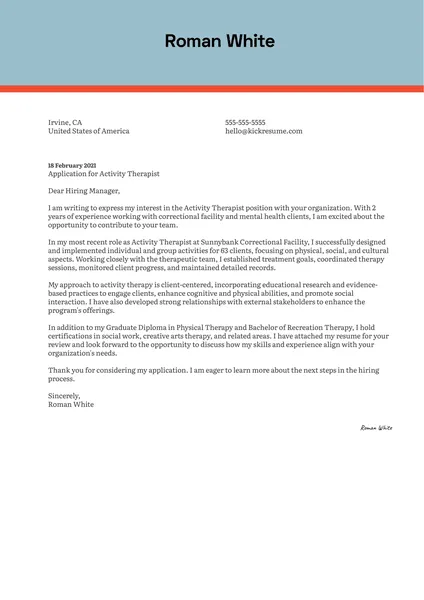
When checking for errors, pay close attention to common mistakes. Ensure that all your subjects and verbs agree and that you’ve used the correct tense. Double-check all proper nouns, including the company’s name, the hiring manager’s name, and any certifications or licenses you hold. Review all punctuation, including commas, periods, and apostrophes. Consider using a grammar checker, such as Grammarly or ProWritingAid, to help identify errors. However, don’t rely solely on these tools. Always proofread your cover letter yourself. Make sure that your formatting is consistent throughout the document and that your contact information is accurate.
Seeking Feedback
Once you’ve proofread your cover letter, seek feedback from a trusted source. Ask a friend, family member, or career advisor to review your letter and provide constructive criticism. Someone who is familiar with professional writing or has experience in the field can offer valuable insights and suggest improvements. Ask them to assess the clarity, organization, and overall effectiveness of your cover letter. Do they find it easy to read and understand? Does it highlight your relevant skills and experience effectively? Are there any areas that need improvement? Don’t be afraid to incorporate their feedback. Making edits based on suggestions can significantly improve your cover letter.
Call to Action
A well-written cover letter should conclude with a clear call to action. This tells the hiring manager what you want them to do next. Express your interest in the position and make it easy for them to contact you for an interview. Without a call to action, the reader may not know the next step. The call to action is the last impression you leave, so make it memorable and impactful. It can make the difference in securing an interview.
Expressing Interest

In the final paragraph of your cover letter, clearly express your interest in the behavior therapist position. Reiterate your enthusiasm for the opportunity and mention why you are particularly interested in the role or the organization. You can mention something specific about the job or the company that resonates with you. This demonstrates your genuine interest and shows that you have done your research. You might also express how your skills and experience align with the company’s mission or values. For example, if the company values collaboration, you can mention your experience working effectively in a team environment. Expressing your genuine interest makes you a more compelling candidate.
Thanking the Reader
End your cover letter by thanking the reader for their time and consideration. This shows courtesy and professionalism. You can simply write, “Thank you for your time and consideration.” Or, if you have a specific request, such as wanting to be contacted for an interview, you can add that. For example, “I look forward to hearing from you soon.” Make sure to use an appropriate closing, such as “Sincerely” or “Best regards,” followed by your name and signature. This simple gesture leaves a positive and professional impression on the reader.