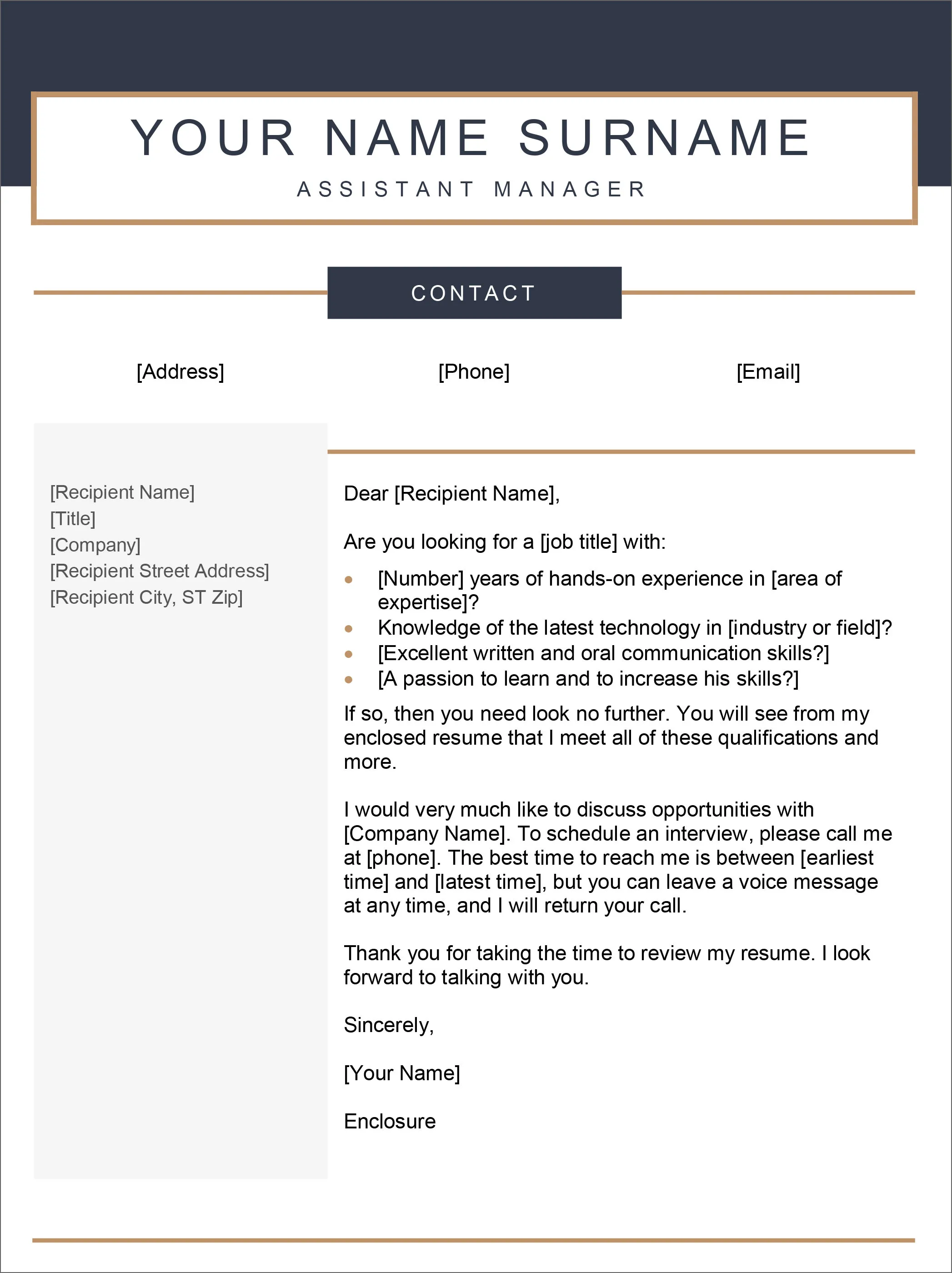
What is a Cover Letter?
A cover letter is a crucial document that accompanies your resume when applying for a job. It serves as your first introduction to a potential employer, providing an opportunity to elaborate on your qualifications and express your interest in the specific position. Think of it as a personalized sales pitch, highlighting why you’re the ideal candidate for the role. Unlike a resume, which is a concise summary of your skills and experience, a cover letter allows you to showcase your personality, writing skills, and genuine enthusiasm for the opportunity. A well-crafted cover letter can significantly increase your chances of getting noticed and securing an interview, setting you apart from other applicants. It’s your chance to make a strong first impression and demonstrate your understanding of the company and the job requirements.
Why is a Cover Letter Important?
In today’s competitive job market, a cover letter is not just a formality but a necessity. It offers a platform to tell your story in your own words, connecting your skills and experiences directly to the job description. It helps you demonstrate how your qualifications align with the specific requirements of the role and how you can contribute to the company’s success. This personalized approach is something a resume alone often fails to achieve. Furthermore, a well-written cover letter showcases your communication skills, attention to detail, and professionalism. It gives you the opportunity to address any gaps in your resume, explain career changes, or provide context to your experiences. Many employers consider a cover letter as a key indicator of your interest and dedication to the position, making it an essential part of your application package.
Key Components of a Cover Letter

A well-structured cover letter follows a standard format that includes a header, salutation, body paragraphs, closing, and signature. Each component plays a vital role in conveying your message effectively. The header provides your contact information, while the salutation addresses the hiring manager or the specific person responsible for reviewing applications. The body paragraphs are where you highlight your relevant skills, experiences, and enthusiasm for the role. The closing reiterates your interest and includes a call to action, such as requesting an interview. The signature adds a personal touch, making your application feel more professional. Understanding and implementing each of these components will help you create a compelling cover letter that captures the reader’s attention and persuades them to consider you for the job.
Header of the Cover Letter
The header of your cover letter is the first thing a hiring manager sees, so it’s crucial to get it right. It should include your contact information, the date, and the recipient’s information. A professional header sets the tone for the entire document. The header should align to the left or right of your document and contain all necessary contact information so the reader may reach you if interested. Your contact information should include your full name, phone number, email address, and optionally, your LinkedIn profile URL or personal website, if applicable. Ensure the information is accurate and up-to-date.
Your Contact Information (Header Section)
Begin your header with your full name. Below your name, list your phone number. Following the phone number, provide your professional email address. It’s essential to use a professional-sounding email address; avoid using nicknames or informal language. If you have a LinkedIn profile, include the URL below your email address. If you have a personal website or online portfolio that is relevant to the job, include its URL as well. Double-check all the information to ensure it’s correct and easy to read.
Date (Header Section)

Following your contact information, the next line in your header should include the current date. Ensure that the date format is consistent with your location’s standard. This is important as this reflects professionalism and when the document was written. Be sure to provide the month, day and year. This provides clarity to the reader when you’re applying to the position.
Recipient’s Information (Header Section)
Below the date, you should include the recipient’s information. If you know the hiring manager’s name, use it; this adds a personal touch. If you do not know the name, you may use the title. Include the recipient’s title and the company’s name. Then, list the company’s address. This section allows the reader to easily find your application. This adds professionalism to your cover letter template.
Salutation
The salutation is your greeting, which sets the tone for your letter. A personalized salutation shows that you’ve done your research and are genuinely interested in the position. The most professional salutation is “Dear Mr./Ms./Mx. [Last Name],” using the hiring manager’s last name. If you don’t know the name, use “Dear Hiring Manager” or “Dear [Department Name] Hiring Team.” Avoid generic greetings like “To Whom It May Concern,” which can make your application seem impersonal. Ensure that your salutation matches the formality of the company and job description. For creative roles, you may have some flexibility, but in most cases, a formal salutation is best to start with.
Body of the Cover Letter

The body of your cover letter is where you elaborate on your qualifications and demonstrate your suitability for the role. It typically consists of three to four paragraphs, each serving a specific purpose: introducing yourself, showcasing your skills, connecting those skills to the job requirements, and expressing your enthusiasm. This is your opportunity to tell your story, highlight your accomplishments, and show why you’re the best candidate. Keep your language clear, concise, and engaging, and tailor each paragraph to the specific job description. Be sure to present a professional tone and demonstrate enthusiasm throughout the body of your cover letter. The goal is to capture the reader’s attention and make them want to learn more about you.
First Paragraph Introduce Yourself
Start your cover letter by introducing yourself and stating the specific position you are applying for. Mention where you found the job posting and briefly explain why you are interested in the role and the company. This paragraph should be concise and grab the reader’s attention immediately. Highlight your key strengths or experiences relevant to the job, making sure to connect the dots for the reader. Show your excitement about the opportunity and your understanding of the company’s mission. Ensure the introductory paragraph is compelling and sets the stage for the rest of your letter.
Second Paragraph Showcase Your Skills
In the second paragraph, dive deeper into your skills and experiences. Select 2-3 key skills or experiences that align with the job requirements. Provide specific examples of how you’ve demonstrated these skills in previous roles, quantifying your achievements whenever possible. Use action verbs to describe your accomplishments and focus on the results you achieved. Back up your claims with tangible evidence and data. Show how your skills have led to positive outcomes, such as increased sales, improved efficiency, or successful project completion. This paragraph is about proving the value that you can bring to the role.
Third Paragraph Connect Your Skills to the Job

The third paragraph is where you explicitly connect your skills to the job requirements and the company’s needs. Analyze the job description and identify the key qualifications the employer is seeking. Explain how your skills and experiences directly address these requirements. Give specific examples of how you have applied your skills to similar situations in the past. Show the reader that you understand the responsibilities of the role and how you can contribute to the company’s goals. Demonstrate your knowledge of the company, its values, and the industry. This paragraph is where you demonstrate your specific value as a candidate. Tailor this paragraph to the needs of the company.
Fourth Paragraph Express Enthusiasm
The fourth paragraph is where you express your enthusiasm and reiterate your interest in the role and the company. State why you are excited about the opportunity and what motivates you. Highlight what you hope to gain from the position and how you see yourself contributing to the company’s success. Demonstrate your understanding of the company culture and your willingness to be a team player. Express your eagerness to learn more about the opportunity and request an interview. Conclude with a strong statement of your interest in the role.
Closing of the Cover Letter
The closing of your cover letter is the final opportunity to leave a positive impression. It should reiterate your interest in the position, thank the reader for their time, and include a call to action. The tone should be professional and confident, reflecting your enthusiasm for the opportunity. Ensure that the closing is concise, impactful, and leaves the reader with a clear understanding of your qualifications and interest in the job.
Formal Closing

The formal closing should be professional and respectful. Use phrases like “Sincerely,” “Best regards,” or “Thank you for your time and consideration.” Avoid informal closings like “Cheers” or “Best,” unless the company culture is relaxed and you know the hiring manager. This will conclude your cover letter appropriately. Keep in mind the specific role and the organization you’re applying to when choosing your closing.
Signature
Leave space for your handwritten signature. Type your full name below. If you are submitting your cover letter digitally, you can type your name and insert an image of your signature. This gives a more professional look to your cover letter template. Make sure your name is clearly visible. This will help the hiring manager remember you and will complete your cover letter template.
Formatting Your Cover Letter
Formatting your cover letter is critical for making a positive first impression. Proper formatting ensures your letter is easy to read and visually appealing. Clean formatting showcases your professionalism and attention to detail, which can significantly increase your chances of getting noticed. Adhere to standard formatting guidelines such as using appropriate fonts, consistent spacing, and proper margins. Be sure to format the letter properly. The formatting is as important as the content. Consistent formatting also makes your cover letter template easier to read and quickly shows professionalism.
Font and Font Size

Choose a professional and readable font for your cover letter. Common fonts include Times New Roman, Arial, Calibri, and Helvetica. The font size should be between 10 and 12 points to ensure readability. Avoid using overly stylized fonts or sizes that are difficult to read. Stick with a single font throughout your letter to maintain consistency. The fonts should be easy on the eyes. Choose a font that’s appropriate for the company and the role that you are applying for. Make sure that you choose a font that matches your resume and is easily readable.
Margins and Spacing
Set margins to 1 inch on all sides of your cover letter. Use single-spaced lines with a double space between paragraphs. This spacing allows for easy reading and keeps your letter from appearing cluttered. Ensure consistent spacing throughout the document for a clean, professional appearance. Check that all your formatting is uniform. Consistent formatting shows attention to detail. By applying this, it allows the document to breathe and gives the reader a chance to take in your content.
Proofreading Your Cover Letter
Proofreading your cover letter is an essential step in ensuring its professionalism. Carefully review your cover letter for any grammatical errors, spelling mistakes, and typos. Read your letter out loud to identify awkward phrasing or sentences that don’t flow well. Have someone else review your cover letter to catch any errors you might have missed. Check your cover letter carefully. This ensures your application reflects your attention to detail and commitment to quality. Eliminate any errors. Make sure everything is appropriate. A polished cover letter demonstrates that you are a careful and thorough person.
Conclusion
A well-crafted cover letter is a powerful tool in your job search. By following this guide, you can create a compelling cover letter template that effectively showcases your skills and experiences, and increases your chances of landing your dream job. Remember to tailor your cover letter to each job application, highlighting the specific requirements and demonstrating your understanding of the company. Proofread carefully, and make sure your letter is free of errors. Good luck with your job search.