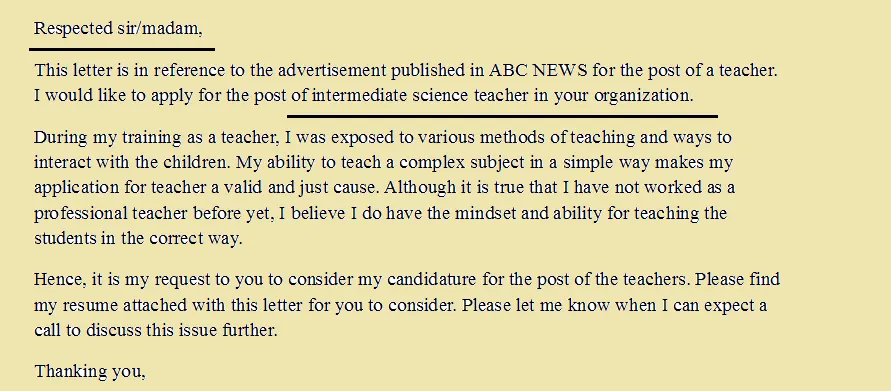
Crafting a Cover Letter Without Experience
Securing a teaching position without prior experience might seem daunting, but it’s entirely achievable with a well-crafted cover letter. Your cover letter is your chance to make a strong first impression, demonstrating your potential and passion for teaching. This guide provides a comprehensive approach to writing a compelling cover letter that highlights your strengths, even without traditional classroom experience. Remember that your cover letter is not just a formality; it’s a crucial tool to showcase your suitability for the role, even if you’re a career changer or a recent graduate. By emphasizing your transferable skills, enthusiasm, and knowledge of the school, you can significantly increase your chances of landing an interview and ultimately, the job. Start with a proactive mindset; a strong cover letter is the first step toward your teaching career.
Understanding the Goal of Your Cover Letter
The primary goal of your cover letter is to secure an interview. It’s your opportunity to introduce yourself, express your interest in the position, and explain why you’re a good fit for the school. Unlike a resume, which lists your qualifications, your cover letter allows you to tell a story. It allows you to connect your skills and experiences to the specific requirements of the job and the values of the school. Your cover letter is your chance to present yourself as a personable, enthusiastic, and professional candidate. It is also your chance to highlight your transferable skills and make the hiring manager interested in learning more about you. Focus on demonstrating your understanding of the school’s needs and how you can contribute to their success.
Highlighting Transferable Skills

Even without direct teaching experience, you possess valuable skills that are transferable to the classroom. These skills are developed in various settings like previous jobs, volunteer work, extracurricular activities, or even personal projects. The key is to identify and articulate these skills in a way that relates to the demands of teaching. Your cover letter is the perfect place to showcase these assets. For example, if you have experience in leadership, customer service, communication, or project management, emphasize how these skills can be applied in a classroom setting. Think about how you’ve motivated others, managed tasks, or resolved conflicts – these are all relevant skills for a teacher.
Identifying Relevant Skills
To effectively highlight your transferable skills, carefully review the job description and identify the skills and qualities the school is seeking. Are they looking for someone who is organized, patient, creative, or a strong communicator? Then, reflect on your own experiences and pinpoint the skills you’ve used that align with these requirements. For example, experience in customer service might demonstrate your ability to communicate effectively, resolve conflicts, and remain calm under pressure – all essential qualities for classroom management. Similarly, project management skills can showcase your ability to plan, organize, and execute lessons effectively. Be specific and provide concrete examples. Instead of saying ‘I have strong communication skills’, describe a situation where you successfully communicated with a diverse group of people.
Showcasing Soft Skills
Soft skills, such as communication, empathy, problem-solving, and adaptability, are crucial in teaching. These skills often distinguish a good teacher from a great one. Emphasize your ability to build rapport with students, create a positive learning environment, and adapt to different learning styles. If you’ve volunteered or worked in a role where you mentored, tutored, or coached others, highlight this experience. Talk about how you helped students overcome challenges, celebrated their successes, and fostered a sense of belonging. Consider how you’ve demonstrated leadership, teamwork, and a positive attitude. These are all highly valued by schools. Remember to use action verbs to describe your skills. For instance, instead of ‘I am patient’, write ‘I demonstrated patience by…’ or ‘I fostered teamwork by…’.
Structuring Your Cover Letter

A well-structured cover letter is easy to read and highlights your key strengths. It should follow a standard business letter format, with a clear header, salutation, opening, body paragraphs, and closing. This structure will make your application look professional and show that you pay attention to details. The organization of your letter reflects your ability to structure your thoughts, which is an important skill for a teacher. The content should be concise and focused on the most relevant information, demonstrating your understanding of the school’s needs. This also helps the reader easily understand what you are saying. Maintain a professional tone throughout your letter, and tailor the content to the specific school and position.
Header and Salutation
Your header should include your contact information: full name, address, phone number, and email. Then, add the date and the recipient’s information including the principal’s or hiring manager’s name, title, and the school’s address. Start your letter with a professional salutation, such as ‘Dear Mr./Ms./Dr. [Last Name]’. If you’re unsure of the hiring manager’s name, research it or use a general salutation like ‘Dear Hiring Committee’ or ‘Dear Principal’. Avoid overly informal greetings and ensure you use the correct title. This demonstrates your attention to detail and respect for the recipient.
The Opening Paragraph
The opening paragraph is your chance to grab the reader’s attention. Start by stating the position you are applying for and how you learned about it. Then, briefly state why you are interested in the position and what makes you a strong candidate. This is not the place to rehash your resume, but rather, to pique the reader’s interest. Express your enthusiasm for the role and your passion for teaching. You can also mention a specific skill or experience that immediately connects you to the job requirements. Keep it concise and focused; your goal is to encourage the reader to continue reading. Avoid generic opening lines and tailor your introduction to the specific school and position.
Body Paragraphs

The body paragraphs are where you provide details about your skills, experiences, and qualifications. Use these paragraphs to highlight your transferable skills and give concrete examples of how you’ve demonstrated those skills in the past. If you have relevant coursework, projects, or volunteer work, describe them and explain how they relate to teaching. Quantify your achievements whenever possible. For example, instead of saying ‘I improved student engagement’, say ‘I improved student engagement by 15% through the implementation of…’ This adds more credibility. Remember to tailor each paragraph to the specific requirements of the job and the values of the school. Show, don’t just tell, by providing specific examples that demonstrate your abilities.
The Closing Paragraph
In your closing paragraph, reiterate your interest in the position and summarize why you are a good fit. Thank the hiring manager for their time and consideration. Express your eagerness for an interview and provide your contact information again. This is also the appropriate place to mention your availability for an interview and how they can reach you. Keep the closing paragraph concise and professional, leaving a positive and lasting impression. Proofread your entire letter to ensure that there are no errors in grammar, spelling, or punctuation.
Emphasizing Enthusiasm and Passion
Your passion for teaching should shine through your cover letter. Schools are looking for teachers who are genuinely enthusiastic about their profession and committed to student success. Use vivid language and enthusiastic phrasing to express your excitement about the opportunity. Mention specific aspects of the school or the teaching position that resonate with you. Avoid generic statements and try to personalize your letter. Show your personality and your genuine interest in making a positive impact on students’ lives. The hiring manager is not just looking for a qualified candidate; they are looking for someone who truly loves teaching and is committed to the educational field.
Showcasing Your Knowledge of the School

Demonstrate that you’ve done your research and understand the school’s mission, values, and programs. This shows that you’re not just applying for any job; you are interested in this specific school and its community. When you highlight your knowledge of the school, you show the hiring manager that you have taken the time to learn about the culture of the school. This increases your chances of getting an interview. Tailoring your cover letter to the specific school also shows that you are invested in the process and that you’ve thought critically about how your skills and experiences align with the school’s needs and goals. This is also where you can emphasize how your skills and experience align with the school’s specific values, mission, and educational approach.
Researching the School’s Mission and Values
Before you start writing, research the school thoroughly. Visit their website, read their mission statement, and review their social media presence. Look for information about their educational philosophy, curriculum, extracurricular activities, and community involvement. Understand the school’s values, such as innovation, collaboration, diversity, or student-centered learning. Then, identify how your skills and experiences align with these values. When you mention the school’s mission and values in your cover letter, you demonstrate your understanding and commitment to their goals. This will make a positive impression on the hiring manager. You can also find out more from the school’s current teachers and staff.
Tailoring Your Letter to the Specific School
Once you understand the school, tailor your cover letter to reflect that knowledge. Mention specific programs, initiatives, or aspects of the school that excite you. Explain why you are particularly drawn to this school and how you can contribute to its success. Avoid using a generic cover letter that could be sent to any school. Customizing your letter shows the hiring manager that you’ve taken the time to understand their needs and that you’re genuinely interested in the position. Reference specific teachers, programs, or events if possible, but ensure that you do so respectfully and avoid making any assumptions.
Proofreading and Editing Your Cover Letter

Before submitting your cover letter, proofread and edit it carefully. Ensure that there are no errors in grammar, spelling, or punctuation. Ask a friend, family member, or career counselor to review your letter for clarity, accuracy, and style. A polished and error-free cover letter demonstrates your attention to detail and professionalism. Poor grammar and spelling errors can make a negative impression, no matter how strong your qualifications are. Ensure that your cover letter is well-formatted and easy to read. Use clear, concise language and avoid jargon or overly complex sentences. Your letter should flow logically from one paragraph to the next and showcase your key strengths.
Writing a cover letter for a teaching position without experience requires careful planning and a strategic approach. By highlighting your transferable skills, expressing your enthusiasm, showcasing your knowledge of the school, and structuring your letter effectively, you can create a compelling cover letter that increases your chances of landing an interview and starting your teaching career. Remember that your cover letter is your opportunity to tell your story, and with the right approach, you can make a lasting impression on potential employers.