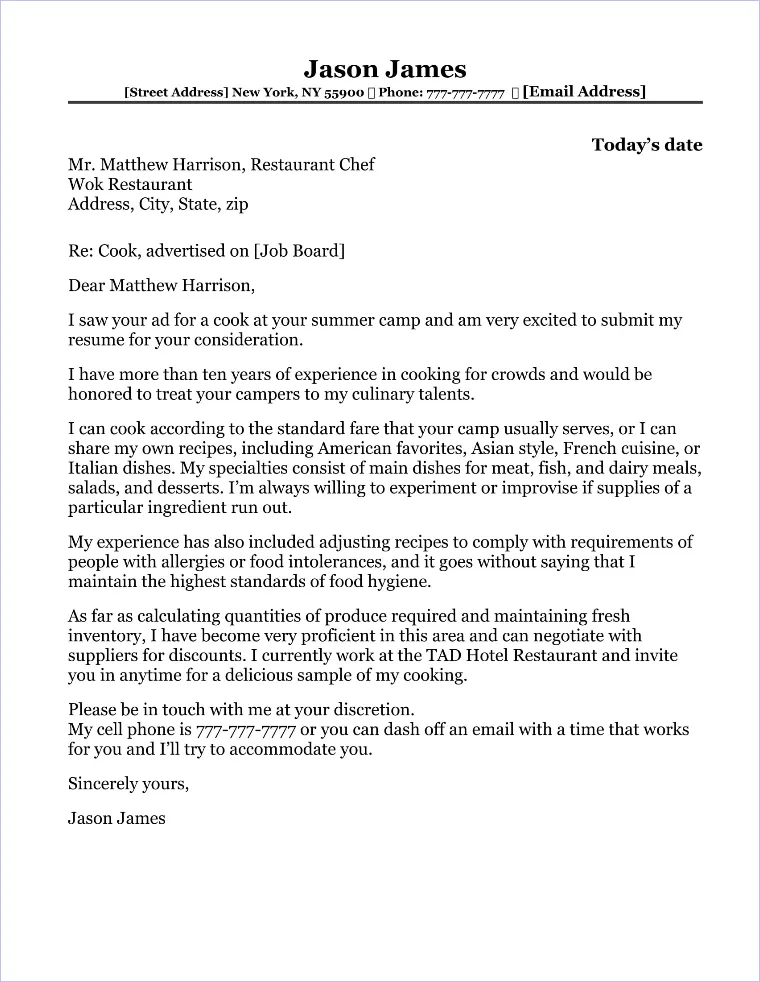
Why a Cover Letter Matters
In the competitive world of job applications, a well-crafted cover letter can be your secret weapon. It’s your first chance to make a strong impression on a potential employer, often even before they look at your resume. This document offers you a platform to showcase your personality, enthusiasm, and unique qualifications. Think of it as your personalized introduction, providing context and depth to your application. Many candidates underestimate its significance, leading to missed opportunities. A cover letter allows you to connect your skills and experience directly to the specific job requirements, demonstrating a genuine interest in the role and the company. It is your opportunity to present a narrative that captures the hiring manager’s attention and sets you apart from the crowd. Therefore, investing time in crafting a compelling cover letter is not just a formality—it’s a strategic move in your job search journey. It is the first step into creating an unforgettable first impression.
Highlighting Key Skills and Experiences
Your cover letter is the ideal place to highlight the specific skills and experiences that make you a perfect fit for the job. Instead of simply listing your qualifications, use this opportunity to demonstrate how your past achievements align with the company’s needs. Select the most relevant skills and experiences. If the job description emphasizes project management, be sure to provide examples of your successful project leadership. Quantify your accomplishments whenever possible; for example, describe how you increased sales by a certain percentage or streamlined processes to improve efficiency. By doing this, you turn your claims into tangible evidence of your capabilities. Link your experiences to the job requirements by making direct connections. This method shows employers not only that you possess the necessary skills but also that you understand how to apply them to the role. Remember, it’s not just about what you’ve done, but also how you’ve contributed and the results you’ve achieved, emphasizing your value proposition and differentiating yourself from other applicants.
Tailoring Your Letter to the Job

One of the most critical cover letter secrets is tailoring your letter to each specific job application. A generic, one-size-fits-all cover letter is likely to be dismissed quickly. To tailor your letter effectively, carefully review the job description and identify the key requirements and keywords. Then, structure your letter to address these points directly. Use the language and terminology from the job posting to show that you understand the role and the company’s needs. Highlight the skills and experiences most relevant to the position, providing specific examples to demonstrate your capabilities. Researching the company is essential to show that you are genuinely interested in the role and the organization. Mentioning specific projects, goals, or values of the company in your letter shows you’ve done your homework and are eager to contribute. Personalizing your letter indicates that you’ve taken the time to understand the job and that you’re not just sending out mass applications, making your application stand out and increase the chance of getting noticed.
Researching the Company Culture
Before submitting your cover letter, take the time to research the company’s culture. Understanding the company’s values, mission, and work environment can significantly enhance your application. Visit the company’s website, browse their social media profiles, and read articles or news stories about the organization. This research will give you insights into their culture and priorities. In your cover letter, you can demonstrate this knowledge by mentioning specific company initiatives, values, or projects that resonate with you. Show your awareness of the company’s goals. Doing so, shows you understand their objectives and are committed to contributing. This approach demonstrates your interest and that you’re a well-informed candidate. Addressing the company’s culture is very important because it shows that you have the knowledge and interest in the company, and allows you to show that you have considered what is required of the company.
Showcasing Your Personality
While maintaining professionalism, your cover letter is an opportunity to showcase your personality. Let your enthusiasm and passion shine through. Hiring managers want to see who you are beyond your resume. Infuse your writing with a distinctive tone. This will help convey your enthusiasm, making your letter more engaging and memorable. Share a brief anecdote or a personal connection to the job or the company. This will help humanize your application. Reflect your unique qualities and let your personality shine in a way that aligns with the company’s culture. This will help create a connection with the reader and leave a lasting impression. Avoid being generic and let your individuality make your letter stand out from the many applications.
Formatting for Readability

The format of your cover letter is just as important as its content. A well-formatted letter is easy to read and makes a positive impression. Choose a clear and professional font, such as Times New Roman, Arial, or Calibri, and keep the font size between 10 and 12 points. Use standard margins (1 inch on all sides) to ensure your text is well-spaced and easy on the eyes. Divide your letter into logical paragraphs with clear headings. This structure allows the reader to quickly grasp the main points. Keep your paragraphs concise. Avoid long blocks of text that can be difficult to read. Use bullet points or lists when appropriate to highlight key information or skills, making the content more scannable. Ensure your letter is free from typos and grammatical errors. Proofread carefully before submitting your application. A well-formatted and easy-to-read cover letter conveys professionalism and respect for the reader’s time.
Proofreading Your Letter
Proofreading is the final step in crafting a compelling cover letter, and it is absolutely critical. Even the most well-written content can be undermined by errors, which can create a negative impression. Before submitting your letter, carefully review it for any typos, grammatical errors, or inconsistencies. Read your letter aloud to catch any awkward phrasing or sentences that don’t flow well. Check your letter using a grammar and spell checker, but also manually proofread to ensure accuracy. Make sure that your formatting is consistent. Have someone else review your cover letter for feedback. A fresh pair of eyes can often spot errors you may have missed. By taking the time to proofread meticulously, you will demonstrate your attention to detail and your commitment to excellence. A polished, error-free cover letter significantly increases your chances of making a strong impression and securing an interview.
Conclusion
Mastering the art of the cover letter is a critical skill in today’s competitive job market. By understanding the importance of highlighting key skills, tailoring your letter, researching the company, showcasing your personality, formatting for readability, and proofreading meticulously, you can create a cover letter that not only gets noticed but also secures you an interview. Remember, your cover letter is your first opportunity to make a lasting impression. Use it to your advantage to showcase your unique value and to demonstrate why you are the perfect candidate for the job. Follow these tips to unlock the secrets of cover letters and take your job search to the next level. By crafting a cover letter that is tailored, engaging, and error-free, you will be well on your way to landing your dream job. Good luck!