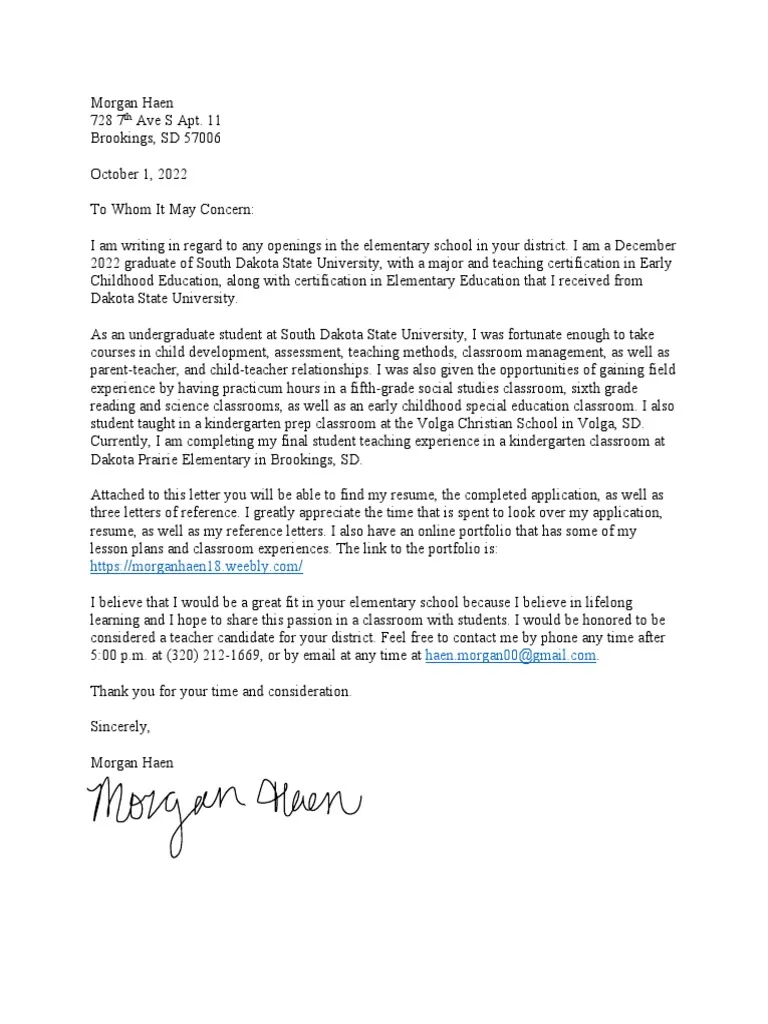
Why a Great Cover Letter Matters
In the competitive world of job applications, a cover letter is your first impression, a chance to make a memorable impact on a potential employer. It’s more than just a formality; it’s a strategic tool to set yourself apart from the crowd. A well-crafted cover letter allows you to personalize your application, showcasing your personality, passion, and the unique value you bring to the table. It’s an opportunity to tell your story, connect your skills and experiences directly to the specific job requirements, and demonstrate why you’re the perfect fit. In today’s digital age, where resumes often get scanned by applicant tracking systems, a cover letter becomes even more crucial. It offers a space to highlight the less tangible aspects of your candidacy, such as your enthusiasm, your understanding of the company, and your genuine interest in the role.
Highlighting Your Unique Selling Points (USPs)
Every candidate brings something unique to the table, and your cover letter is the perfect place to showcase your Unique Selling Points (USPs). These are the distinctive qualities, skills, and experiences that make you different and more valuable than other applicants. Think about what sets you apart, whether it’s a specific skill, a unique accomplishment, or a particular experience that aligns with the job’s requirements. When writing your cover letter, don’t just list your skills; show how you’ve used them to achieve results. Provide specific examples of your accomplishments, quantifying your contributions whenever possible. For instance, instead of saying ‘I improved customer satisfaction,’ say ‘I increased customer satisfaction scores by 15% through implementing a new training program.’ By highlighting your USPs, you give the hiring manager a clear understanding of what makes you the ideal candidate.
Showcasing Your Achievements

While skills are important, demonstrating your achievements provides concrete evidence of your capabilities. Achievements are the tangible results you’ve produced in previous roles, illustrating your ability to deliver value. Focus on accomplishments that are relevant to the job you’re applying for, selecting examples that directly align with the key requirements. Structure your achievements using the STAR method (Situation, Task, Action, Result). Briefly describe the situation you were in, the task you needed to complete, the actions you took, and the results you achieved. This method provides a clear and concise narrative that showcases your problem-solving skills, your initiative, and your ability to drive positive outcomes. By highlighting specific achievements, you move beyond generic statements and provide the hiring manager with a clear picture of your potential contributions to the company. Remember to quantify your achievements whenever possible to add more impact.
Quantifying Your Accomplishments
Quantifying your accomplishments is crucial for making a lasting impression on potential employers. Numbers speak volumes, providing concrete evidence of your achievements and the impact you’ve made in previous roles. Whenever possible, use data to support your claims. For instance, instead of saying ‘I increased sales,’ say ‘I increased sales by 20% in the first quarter.’ This demonstrates your ability to generate results. Similarly, if you improved efficiency, specify the percentage of improvement, or the time saved. If you managed a budget, state the size of the budget and any savings you achieved. By quantifying your accomplishments, you provide a clear and objective measure of your capabilities, making your cover letter more compelling and memorable. Quantifiable achievements demonstrate your value and potential to contribute positively to the organization.
Tailoring Your Cover Letter
One of the biggest secrets to a standout cover letter is personalization. Generic cover letters are easily spotted and often end up in the rejection pile. Tailoring your cover letter to each job application is essential. This means researching the company, understanding the specific requirements of the role, and customizing your letter to reflect this knowledge. Avoid using a template as a starting point; instead, create a custom draft for each application. Show the hiring manager that you’ve taken the time to understand their needs and that you’re genuinely interested in the opportunity. Mention specific projects, company values, or recent news items that resonate with you. Personalization demonstrates your attention to detail, your genuine interest, and your commitment to the role.
Researching the Company

Before you start writing your cover letter, take the time to thoroughly research the company. Visit their website, read their ‘About Us’ section, and explore their social media profiles. Understand their mission, values, and recent achievements. Look for information about their culture, their products or services, and their target audience. Identify any recent news or projects that align with your interests and experience. This research will not only help you tailor your cover letter but will also demonstrate your genuine interest in the company, making a strong impression on the hiring manager.
Customizing Your Letter
Once you’ve researched the company, it’s time to customize your cover letter. Review the job description carefully, identifying the key skills and qualifications the employer is seeking. Highlight your relevant experiences and achievements that align with those requirements. Use the same keywords and phrases from the job description to demonstrate that you’re a good fit for the role. Address the specific needs of the company, and explain how your skills and experience can contribute to their success. Tailoring your cover letter shows that you understand the company’s needs and that you’re genuinely interested in the opportunity.
Choosing the Right Tone
The tone of your cover letter should be professional and appropriate for the industry and company. It’s important to strike the right balance between formal and personable, showing professionalism while also letting your personality shine. Avoid using overly casual language or slang. Instead, use clear, concise language that effectively communicates your message. The tone should also reflect your enthusiasm for the opportunity and your understanding of the company. When in doubt, err on the side of professionalism. Your tone should be confident but not arrogant, showcasing your skills and achievements without sounding boastful. A well-chosen tone ensures your cover letter leaves a positive impression.
Writing a Compelling Opening

The opening of your cover letter is crucial, as it sets the tone and grabs the reader’s attention. Avoid generic openings like ‘I am writing to express my interest.’ Instead, start with a statement that immediately captures the reader’s attention. Consider mentioning a specific project, accomplishment, or experience that is relevant to the job. You can also express your enthusiasm for the company or the role, or refer to a mutual connection. Make sure your opening aligns with the company’s culture and values. The goal is to immediately engage the reader and encourage them to continue reading. A strong opening demonstrates your communication skills and your ability to make a positive first impression.
Grabbing Their Attention Immediately
To grab the hiring manager’s attention immediately, consider starting with a compelling hook. This could be a brief anecdote, a striking statistic, or a quote that relates to the job or the company. You might mention a recent achievement that showcases your skills and aligns with the company’s needs. Alternatively, you could express your enthusiasm for the company’s mission or a specific project. The key is to make your opening memorable and relevant. It must quickly communicate your value and encourage the reader to continue. A strong opening will make the hiring manager want to learn more about you and read the rest of your cover letter.
Structuring Your Cover Letter
A well-structured cover letter is easy to read and effectively communicates your message. Use a clear and logical format, with distinct paragraphs and headings. Start with an engaging opening that captures the reader’s attention, followed by a concise summary of your key skills and experiences. In the body of your letter, highlight your accomplishments and explain how they align with the job requirements. Use the STAR method to structure your achievement stories and quantify your results whenever possible. Close your letter by expressing your enthusiasm and providing a clear call to action. A well-structured cover letter demonstrates your ability to communicate effectively and makes a positive impression on the hiring manager.
The Importance of Formatting

Formatting is a key element of a professional cover letter, as it impacts readability and the overall impression. Choose a clean, easy-to-read font, such as Arial or Times New Roman, and use a font size between 11 and 12 points. Use consistent spacing between paragraphs and sections to create a visually appealing layout. Avoid using excessive colors or graphics, as they can be distracting. Keep your cover letter concise, ideally within one page. Use bullet points to highlight key information and make your letter easier to scan. Correct formatting makes your cover letter visually appealing, improving readability, and demonstrating your attention to detail.
Key Sections to Include
Your cover letter should include several key sections to provide the hiring manager with a comprehensive overview of your qualifications. Start with a professional header, including your contact information and the date. Then, address the hiring manager by name, if possible. In the opening paragraph, state the position you’re applying for and express your enthusiasm for the opportunity. In the body of your letter, highlight your key skills, achievements, and experiences that align with the job requirements. Quantify your accomplishments whenever possible. In the closing paragraph, reiterate your interest, express your availability for an interview, and provide a clear call to action. By including all these sections, you create a complete and compelling application.
Showcasing Your Skills
In your cover letter, you must effectively showcase your relevant skills. Identify the key skills required for the job and highlight how you possess them. Provide specific examples to illustrate how you’ve utilized these skills in previous roles. Use action verbs to describe your accomplishments and achievements. For instance, instead of saying ‘I was responsible for managing projects,’ say ‘I successfully managed multiple projects, delivering them on time and within budget.’ Quantify your achievements whenever possible, using data to demonstrate your capabilities. Showcasing your skills demonstrates your ability to perform the job responsibilities successfully and contribute to the company’s goals.
Using Action Verbs Effectively

Action verbs are powerful words that bring your accomplishments to life, making your cover letter more engaging and compelling. Start each sentence describing your achievements with an action verb. For example, instead of ‘Responsible for,’ use verbs like ‘managed,’ ’led,’ ‘developed,’ ‘implemented,’ or ‘achieved.’ Use a variety of action verbs to showcase your range of skills and experiences. Choose verbs that accurately describe your actions and the results you achieved. Action verbs paint a vivid picture of your capabilities, making it easier for the hiring manager to understand your contributions and the impact you’ve made in previous roles.
Addressing the Hiring Manager
Addressing the hiring manager by name is a crucial detail in a cover letter, showcasing your attention to detail and your genuine interest in the position. Before you write your cover letter, make an effort to identify the hiring manager’s name. You can often find this information on the company’s website, LinkedIn, or the job posting itself. If you can’t find the hiring manager’s name, you can use a general greeting such as ‘Dear Hiring Manager.’ Personalizing your greeting demonstrates that you’ve taken the time to research the company and that you’re not simply sending a generic application. Addressing the hiring manager by name increases the likelihood of your cover letter making a positive impression.
How to Find the Right Person
Finding the hiring manager’s name can significantly improve your cover letter’s impact. Here are a few effective strategies. Start with the job posting itself; the hiring manager’s name might be included there. Check the company’s website, especially the ‘About Us’ or ‘Careers’ sections. Look for the name of the hiring manager or the person responsible for the role. Use LinkedIn to search for the company and the job title; you might find the hiring manager listed. If you’re still unable to locate the name, consider contacting the company’s human resources department. If all else fails, use a professional greeting such as ‘Dear Hiring Manager.’ The effort to find the right person shows your commitment to the role.
Proofreading and Editing

Before submitting your cover letter, meticulous proofreading and editing are non-negotiable. Typos, grammatical errors, and inconsistencies can undermine your credibility and damage your chances of landing an interview. Read your cover letter multiple times, looking for errors in grammar, spelling, and punctuation. Check the formatting, ensuring consistent spacing and font usage. If possible, have a friend, family member, or career counselor review your cover letter for you. A fresh pair of eyes can often spot errors that you may have missed. Proofreading and editing demonstrate your attention to detail and commitment to presenting yourself professionally.
Avoiding Common Mistakes
Avoiding common mistakes can dramatically improve the effectiveness of your cover letter. One of the most common errors is failing to tailor your letter to the specific job and company. Generic cover letters are easily identified and are often discarded. Other mistakes include not proofreading, using jargon, and focusing solely on your needs rather than the employer’s. Avoid clichés, and don’t simply repeat your resume. Focus on your accomplishments and the value you can bring. By avoiding common mistakes, you increase the chances of your cover letter making a positive impression and securing an interview.
Checking for Grammar and Spelling Errors
Grammar and spelling errors can undermine your credibility and leave a negative impression on the hiring manager. Before submitting your cover letter, carefully review your writing for these errors. Use a grammar and spell checker, but don’t rely on it entirely. Read your cover letter aloud to identify awkward phrasing or unclear sentences. Consider asking a friend or colleague to proofread your letter. Pay close attention to punctuation, capitalization, and sentence structure. Correct grammar and spelling demonstrate your attention to detail and your commitment to presenting yourself professionally. Ensuring accuracy will increase the chance of your cover letter making a strong impression.
The Power of Supporting Documents
Supporting documents can significantly strengthen your job application and provide additional evidence of your qualifications. When submitting your resume and cover letter, consider including other relevant documents. These can provide a more complete picture of your skills, experience, and accomplishments. Examples include your resume, portfolio, letters of recommendation, and relevant certifications or licenses. Ensure that all supporting documents are well-organized, professional, and tailored to the job requirements. By providing strong supporting documentation, you demonstrate your commitment to the position and increase your chances of making a positive impression.
Resume and Portfolio
Your resume is a summary of your skills, experience, and qualifications, and a portfolio provides visual or tangible examples of your work. Ensure your resume is up-to-date, well-formatted, and tailored to the job requirements. Highlight your key skills and accomplishments and use action verbs to describe your responsibilities. Tailor your resume to showcase your relevant experience and accomplishments. For creative or technical roles, a portfolio is essential. It showcases your work and demonstrates your capabilities. Include a link to your online portfolio in your cover letter and resume. The resume and portfolio, when used effectively, provide detailed evidence of your abilities.
Letters of Recommendation
Letters of recommendation provide valuable third-party validation of your skills, abilities, and work ethic. They offer insights from former supervisors, colleagues, or professors who can attest to your performance. When applying for a job, consider including letters of recommendation, especially if the job posting requests them. Choose recommenders who know you well and can speak to your strengths. Provide your recommenders with your resume and the job description to help them tailor their letters. Letters of recommendation are a powerful addition to your application, as they offer objective evidence of your abilities.
Certifications and Licenses
Certifications and licenses can strengthen your job application, especially if they are relevant to the job requirements. Certifications and licenses demonstrate your commitment to professional development, and they provide evidence of your specialized skills. List any relevant certifications or licenses in your cover letter and resume. Be sure to include the name of the certification or license, the issuing organization, and the date of completion. If the job posting specifically requests certain certifications, make sure to include them. This shows that you meet the minimum qualifications and enhances your application.
Creating a Strong Closing
The closing of your cover letter is your final chance to make a lasting impression. It’s where you express your enthusiasm for the opportunity, reiterate your interest in the role, and provide a clear call to action. Avoid generic closings. Instead, express your excitement about the possibility of joining the company and the value you can bring. Reiterate your interest in the specific role and mention any key skills or experiences that make you a good fit. End with a clear call to action, such as requesting an interview or offering to provide additional information. A strong closing leaves the hiring manager with a positive and memorable impression.
Expressing Enthusiasm
In the closing of your cover letter, make sure to express your genuine enthusiasm for the opportunity. Show your passion for the role and the company. Mention any specific aspects of the job that excite you or any company values that resonate with you. Demonstrating your enthusiasm can differentiate you from other candidates and leave a positive impression on the hiring manager. Expressing your excitement shows that you’re genuinely interested in the opportunity. This can make the hiring manager more likely to want to learn more about you and schedule an interview.
Call to Action
A clear and concise call to action is essential in the closing of your cover letter. The call to action should tell the hiring manager what you want them to do next. The most common call to action is to request an interview. You can also offer to provide additional information, such as references or work samples. Make it easy for the hiring manager to take the next step. Provide your contact information, including your phone number and email address. By including a clear call to action, you make it easy for the hiring manager to respond and move forward with your application.