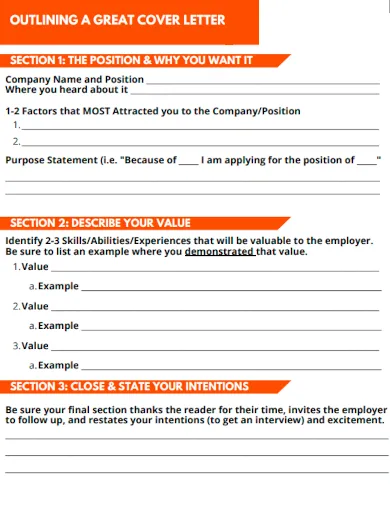
Unveiling Cover Letter Secrets
In the competitive world of job applications, a well-crafted cover letter is your secret weapon. It’s your first impression, a chance to captivate the hiring manager and showcase why you’re the perfect fit for the role. While a resume provides the facts, a cover letter adds personality, passion, and a compelling narrative. This guide unveils the secrets to crafting a cover letter that will impress and secure you an interview. We’ll delve into the core components, from highlighting your achievements to tailoring your message for maximum impact. By mastering these techniques, you’ll transform your cover letter from a formality into a powerful tool that opens doors to your dream job. Remember, a great cover letter is not just about listing your qualifications; it’s about telling your story and connecting with the reader on a deeper level, making them excited to learn more about you.
Crafting a Compelling Cover Letter
A compelling cover letter immediately grabs the reader’s attention. Start with a strong opening that clearly states the position you’re applying for and expresses your enthusiasm. Avoid generic introductions; instead, personalize your letter by mentioning something specific about the company or the role that excites you. The body of your letter should be concise, focusing on the skills and experiences that align with the job requirements. Use action verbs to describe your accomplishments and quantify your results whenever possible. Show, don’t just tell, by providing specific examples that demonstrate your abilities. Conclude with a call to action, expressing your eagerness for an interview and reiterating your interest in the opportunity. A well-structured cover letter is a sign of professionalism and attention to detail, setting you apart from the competition.
Highlighting Your Achievements

One of the most effective ways to impress in a cover letter is by highlighting your key achievements. Rather than simply listing your responsibilities, focus on the results you’ve achieved in previous roles. What problems did you solve? What improvements did you implement? How did you contribute to the company’s success? Use the STAR method (Situation, Task, Action, Result) to structure your examples. Describe the situation, the task you were assigned, the actions you took, and the positive outcome you achieved. This approach provides concrete evidence of your abilities and demonstrates your value to potential employers. Remember to choose achievements that are relevant to the job you’re applying for, showcasing your skills and experience in a way that aligns with their needs. By highlighting your accomplishments, you paint a clear picture of your potential impact and increase your chances of landing an interview.
Quantifying Your Accomplishments
Numbers speak louder than words. When highlighting your achievements, quantify your results whenever possible. Instead of saying you ‘improved customer satisfaction,’ state that you ‘increased customer satisfaction scores by 15% through implementing a new customer service protocol.’ Providing specific metrics adds credibility to your claims and demonstrates the tangible impact of your work. Use percentages, dollar amounts, or other relevant figures to showcase your accomplishments. For example, if you increased sales, mention the percentage increase or the specific revenue generated. If you reduced costs, specify the amount saved. Quantifying your achievements proves that you’re not only skilled but also results-oriented. It gives the hiring manager a clear understanding of your value and makes your cover letter more persuasive. By using numbers, you make your cover letter more memorable and impactful.
Tailoring Your Cover Letter
A generic cover letter is a missed opportunity. To truly impress, tailor each cover letter to the specific job and company. Carefully review the job description, identifying the key skills, experiences, and qualities the employer is seeking. Then, customize your cover letter to directly address these requirements. Highlight the relevant skills and experiences from your resume and explain how they align with the role’s demands. Research the company and mention something specific that resonates with you, demonstrating your genuine interest. Tailoring your cover letter shows that you’ve taken the time to understand the opportunity and are genuinely interested in the company. It demonstrates your attention to detail and your commitment to the application process. This personalization sets you apart from candidates who send out generic applications and significantly increases your chances of getting noticed.
Researching the Company

Before you start writing, dedicate time to researching the company. Visit their website, read their ‘About Us’ section, and browse their social media profiles. Understand their mission, values, and recent projects. This information will help you tailor your cover letter and demonstrate your genuine interest in the company. Look for specific initiatives, values, or news items that resonate with you and mention them in your letter. This shows that you’re not just sending out a generic application but have taken the time to learn about the organization. Researching the company allows you to connect with the hiring manager on a deeper level and demonstrates that you share their values or understand their goals. This level of personalization makes your cover letter more compelling and increases your chances of standing out from the crowd. Also, if possible, try to find the name of the hiring manager and address your letter to them directly.
Showcasing Your Skills
Your cover letter is an ideal place to showcase your skills. Go beyond simply listing your skills; demonstrate how you’ve used them to achieve success. Use action verbs to describe your accomplishments and provide specific examples that highlight your abilities. For example, instead of saying ‘I have strong communication skills,’ describe a time when you effectively communicated a complex idea to a diverse audience, resulting in a positive outcome. Tie your skills directly to the requirements of the job. Refer to the job description and identify the key skills the employer is seeking. Then, in your cover letter, provide examples that demonstrate your proficiency in those areas. This targeted approach ensures that your cover letter is relevant to the hiring manager and showcases your value as a candidate. By providing clear evidence of your skills, you increase your chances of convincing the employer that you are a perfect fit for the role.
Formatting for Impact
The formatting of your cover letter is just as important as the content. A well-formatted cover letter is easy to read and visually appealing. Use a clear, professional font such as Arial or Times New Roman, with a font size between 10 and 12 points. Keep the paragraphs concise and use white space to break up the text. Use headings to organize your content and make it easy for the reader to scan the letter. Ensure your letter is free of grammatical errors and typos. Proofread carefully, and consider having someone else review it. A well-formatted cover letter demonstrates professionalism and attention to detail. It shows that you care about making a positive impression and that you’re willing to put in the effort to present yourself effectively. Poor formatting and errors can detract from your message and make you appear unprofessional. A clean and organized layout ensures that your message is easily understood and leaves a lasting positive impression.
Proofreading for Perfection

Proofreading is a critical step that should never be skipped. Errors in your cover letter can undermine your credibility and make you appear careless. Before submitting your letter, carefully review it for grammatical errors, typos, and inconsistencies. Read it aloud to catch any awkward phrasing or unclear sentences. Use a grammar checker, but don’t rely on it entirely; it’s always a good idea to have a second pair of eyes. Ask a friend, family member, or career counselor to review your letter and provide feedback. They may catch errors that you missed. Pay close attention to the details. Ensure that the formatting is consistent, that your contact information is correct, and that you’ve tailored the letter to the specific job. A polished and error-free cover letter demonstrates professionalism and attention to detail, making a positive impression on the hiring manager and increasing your chances of getting the job.
Closing with Confidence
Your closing should leave a lasting positive impression. Express your enthusiasm for the opportunity and reiterate your interest in the role. Include a call to action, such as ‘I am eager to discuss my qualifications further in an interview’ or ‘I look forward to hearing from you soon.’ Thank the hiring manager for their time and consideration. Keep your closing concise and professional. Avoid clichés and generic phrases. Instead, use a confident and positive tone that reflects your enthusiasm for the opportunity. Consider adding a brief statement that highlights your unique qualifications or what you bring to the table. A well-crafted closing is your final chance to make a positive impression and increase your chances of securing an interview. By closing with confidence, you leave the hiring manager with a clear understanding of your interest and your value as a candidate.