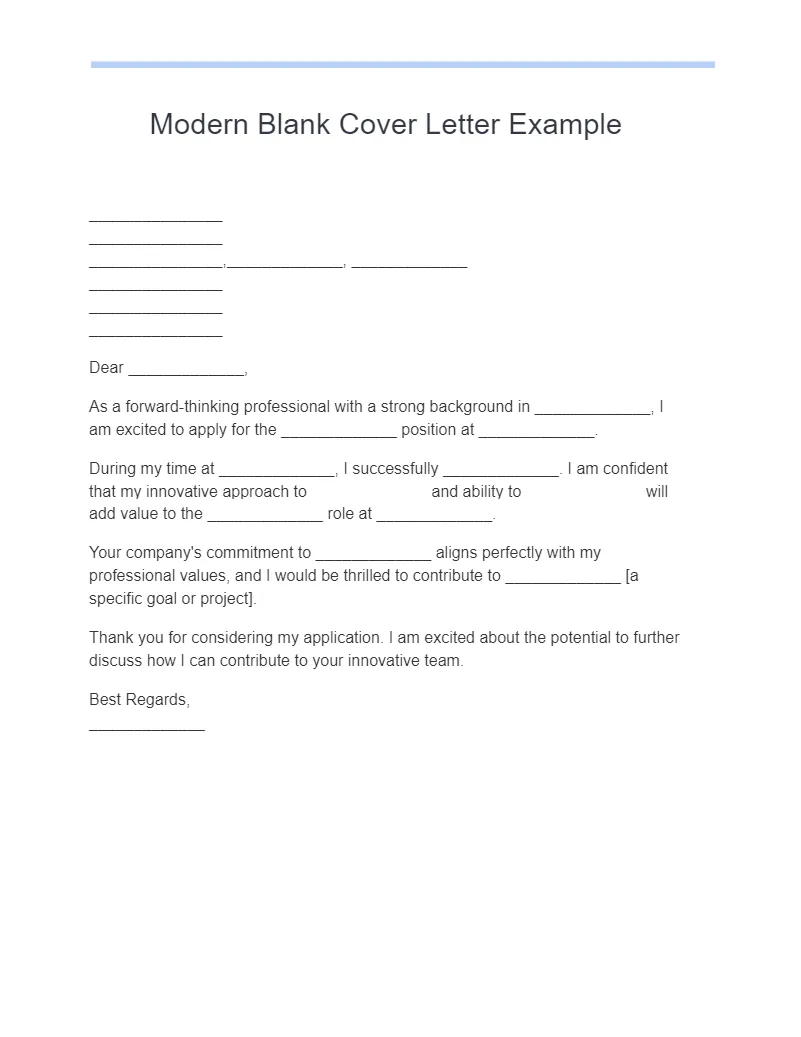
What Is a Cover Letter
A cover letter is a crucial document that accompanies your resume when applying for a job. It serves as an introduction, allowing you to express your interest in the position and highlight your qualifications in a personalized manner. Unlike a resume, which provides a factual overview of your experience, a cover letter allows you to showcase your personality, writing skills, and enthusiasm for the role and the company. It’s your chance to make a strong first impression and convince the hiring manager to read your resume.
Why Cover Letters Matter
In today’s competitive job market, a well-crafted cover letter can significantly increase your chances of landing an interview. It demonstrates your genuine interest in the position and allows you to connect your skills and experiences directly to the job requirements. Many hiring managers consider cover letters essential, as they provide valuable insights into your communication abilities and understanding of the role. A compelling cover letter can set you apart from other candidates, especially if your resume alone doesn’t fully capture your potential.
Essential Cover Letter Components

A solid cover letter comprises several key components that work together to create a persuasive argument for your candidacy. Understanding these elements is the foundation for writing an effective cover letter. Each section plays a vital role in communicating your value and suitability for the job. This includes the header, the recipient’s information, the salutation, the opening paragraph, body paragraphs highlighting skills and experiences, and a compelling closing. Each of these parts must work together.
Header Details
Your cover letter header should include your name, contact information (phone number, email address, and sometimes your LinkedIn profile URL), and the date. It should be clearly formatted and professional. Ensure the information is accurate and easy for the hiring manager to find. The header is the first impression; it’s the first thing they see. Keep it simple, clean, and consistent with the formatting of your resume.
Recipient’s Information
Always address your cover letter to a specific person, if possible. Research the hiring manager’s name or the relevant contact person within the company. Addressing the letter to a specific individual shows that you’ve taken the time to learn about the company and demonstrates your attention to detail. If you cannot find a specific name, use a professional title like “Hiring Manager” or “Recruiting Team.” Avoid generic greetings like “To Whom It May Concern”.
Salutation

The salutation sets the tone for your cover letter. Use a professional greeting, such as “Dear Mr./Ms./Mx. [Last Name]” if you know the hiring manager’s name. If you don’t know the name, use a more general but still professional greeting, like “Dear Hiring Manager” or “Dear [Department Name] Team.” Always ensure your salutation matches the tone and formality of the company you are applying for.
Opening Paragraph Strategies
Your opening paragraph is your chance to grab the reader’s attention. Start with a strong hook that immediately conveys your interest in the position and the company. You can mention how you learned about the opportunity, express your enthusiasm, or briefly highlight a key skill or experience that aligns with the job requirements. Be concise, specific, and make it clear why you are a good fit for the role.
Crafting a Compelling Hook
A compelling hook can be a statement of your passion, a brief achievement, or a reference to something specific about the company that resonates with you. Tailor the hook to each job application, ensuring it’s relevant to the company and the role. Avoid generic opening lines. Instead, demonstrate your understanding of the company’s needs and how you can contribute to their success.
Highlighting Key Skills and Experiences

The body paragraphs of your cover letter are where you showcase your skills and experiences and how they align with the job requirements. Review the job description carefully and identify the key skills and qualifications the employer is seeking. Provide specific examples of how you have demonstrated these skills in previous roles. Use the STAR method (Situation, Task, Action, Result) to provide context and demonstrate your accomplishments.
Body Paragraphs
Structure your body paragraphs logically, with each paragraph focusing on a specific skill or experience. Use action verbs to describe your accomplishments and quantify your achievements whenever possible. Connect your skills and experiences directly to the job requirements, showing the hiring manager how you can contribute to the company’s goals. Keep it concise and focused on what is most relevant to the position.
Quantifying Achievements
Quantifying your achievements makes your cover letter more impactful. Whenever possible, use numbers and data to demonstrate the results of your actions. For example, instead of saying “Improved customer satisfaction,” say “Increased customer satisfaction by 15% through implementing a new feedback system.” Providing concrete evidence of your accomplishments proves your value and demonstrates your ability to deliver results.
Tailoring to the Job Description

Tailoring your cover letter to the job description is crucial. Customize each cover letter to align with the specific requirements and keywords mentioned in the job posting. Highlight the skills and experiences that are most relevant to the role. This demonstrates that you have carefully considered the position and are a strong fit for the company’s needs. Generic cover letters are easily identified and often overlooked.
Closing the Cover Letter
Your closing paragraph should reiterate your interest in the position, summarize your key qualifications, and express your enthusiasm for the opportunity. Make sure your closing paragraph is persuasive and memorable. A strong closing paragraph should leave a lasting positive impression on the reader.
Call to Action
Include a call to action in your closing paragraph. This might involve expressing your availability for an interview or encouraging the hiring manager to contact you. Make it clear that you are eager to discuss your qualifications further and that you look forward to hearing from them soon. A clear call to action prompts the reader to take the next step.
Expressing Gratitude

Expressing gratitude shows professionalism and respect. Thank the hiring manager for their time and consideration. This simple act reinforces your positive attitude and leaves a favorable impression. Always end your cover letter with a professional closing, such as “Sincerely,” “Best regards,” or “Thank you.”
Proofreading and Formatting
Proofreading and formatting are essential steps in ensuring your cover letter is polished and professional. Carefully proofread your letter for any typos, grammatical errors, or inconsistencies. Ensure that the formatting is clean, readable, and consistent throughout. A well-formatted and error-free cover letter demonstrates attention to detail and professionalism, increasing your chances of making a positive impression.
Common Mistakes to Avoid
Several common mistakes can damage your cover letter and diminish your chances of getting an interview. Avoid these pitfalls to ensure your cover letter is effective.
Typos and Grammatical Errors

Typos and grammatical errors are among the most significant mistakes. They can create a negative impression and suggest a lack of attention to detail. Always proofread your cover letter carefully and consider using a grammar checker tool to catch any errors you might have missed. Ask a friend or colleague to review your letter as well.
Generic Content
Avoid using generic cover letters that are not tailored to the specific job and company. Hiring managers can easily spot generic content, which demonstrates a lack of interest and effort. Customize each cover letter to match the job description and showcase your unique skills and experiences. Show them you are genuinely interested in the position.
Length and Formatting
Keep your cover letter concise, ideally no more than one page. Use a clear and professional font, such as Times New Roman, Arial, or Calibri, with a standard font size (11 or 12 points). Use proper spacing and formatting to make your letter easy to read. Avoid overly complex formatting that could distract from your message.
Finalizing and Submitting

Before submitting your cover letter, double-check all the details, including the company name, the hiring manager’s name, and the job title. Save your cover letter as a PDF to ensure the formatting remains consistent. Send your cover letter along with your resume, following the instructions provided in the job posting. Once submitted, consider it a completed task and await a response.