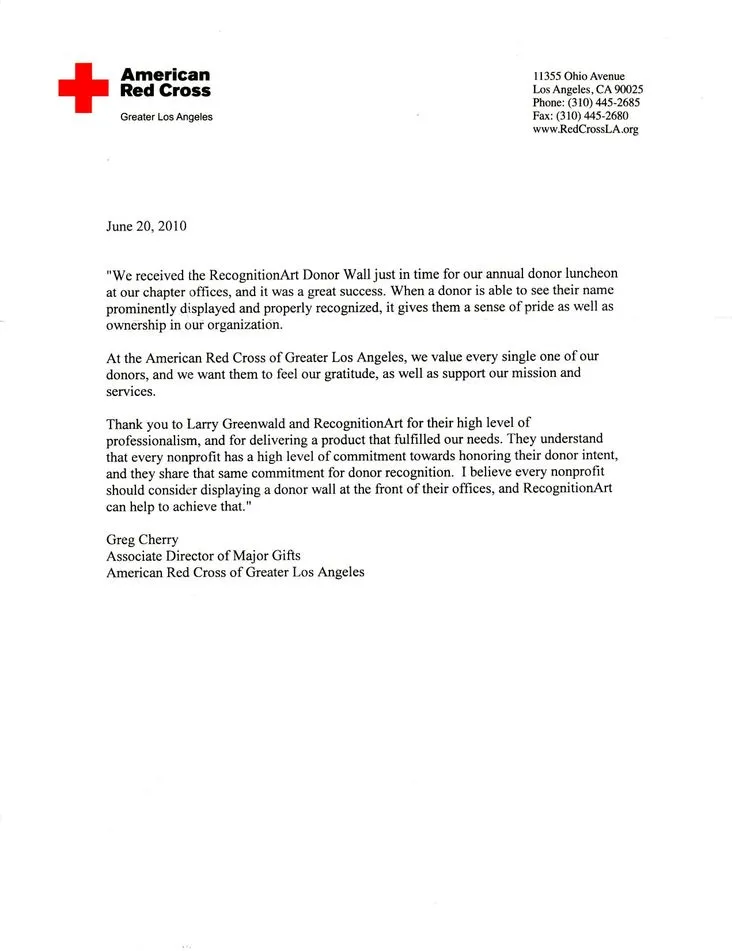
Understanding Nonprofit Cover Letters
Crafting a compelling cover letter is crucial, especially when applying for positions within the nonprofit sector. Unlike cover letters for for-profit companies, nonprofit cover letters often require a different approach, emphasizing your passion, alignment with the organization’s mission, and understanding of the sector’s unique challenges. This guide unveils the secrets to writing a standout cover letter that will capture the attention of hiring managers and increase your chances of landing an interview.
What Makes a Nonprofit Cover Letter Unique
Nonprofits are driven by their mission, not just profit. This fundamental difference influences the expectations and priorities of hiring managers. Your cover letter needs to reflect this. It’s not just about listing your skills, but also demonstrating how those skills align with the organization’s goals and how your values resonate with their work.
Highlighting Your Passion for the Cause

Showcasing your passion is paramount. Nonprofits seek individuals who genuinely care about their mission. Share personal experiences, volunteer work, or any connection you have to the cause. Demonstrate your enthusiasm for the organization’s specific work. Use authentic language to express your feelings and commitment to the mission.
Demonstrating Alignment with the Nonprofit’s Mission
Clearly articulate how your values align with the nonprofit’s mission. Research the organization’s mission statement and values. In your cover letter, explicitly connect your skills and experience to how they can help achieve these goals. Explain why their specific mission resonates with you, showing you’re not just applying for a job but contributing to a cause you believe in. Refer to the organization’s recent projects, initiatives, or challenges to demonstrate you understand their current priorities.
Key Components of a Successful Nonprofit Cover Letter
A well-structured cover letter follows a standard format, but the content is what truly sets it apart. Each section serves a specific purpose in conveying your qualifications and enthusiasm. Proper formatting is crucial for readability and professionalism.
Header and Contact Information

Start with your contact information (name, phone number, email, and optionally, LinkedIn profile URL). Include the date and the recipient’s contact information (name, title, organization, and address). Use a professional email address. Ensure this information is accurate and easy to find. Keep the formatting consistent with a professional look. (See image: header-and-contact.webp)
Personalized Salutation
Address the hiring manager or the specific person mentioned in the job posting. Research the name of the person responsible for hiring. Avoid generic greetings such as “To Whom It May Concern” or “Dear Sir/Madam.” If you can’t find a specific name, use “Dear Hiring Manager.” A personalized salutation shows that you’ve taken the time to research the organization.
Opening Paragraph
Start with a concise statement of your purpose. State the position you’re applying for and where you found the job posting. Immediately capture the reader’s attention by expressing your passion for the organization’s mission or the specific work they do. Briefly mention your key qualifications and why you’re the ideal candidate, setting the stage for the body paragraphs.
Body Paragraphs

The body paragraphs are the heart of your cover letter. Elaborate on your skills and experience, providing specific examples that demonstrate your qualifications. Highlight relevant experiences, such as volunteer work, previous jobs, or academic projects, and quantify your achievements whenever possible. Tailor your examples to match the requirements and keywords mentioned in the job description. Focus on how your skills align with the organization’s needs and how you can contribute to their mission. (See image: body-paragraphs-cover-letter.webp)
Closing Paragraph
Summarize your interest in the position and reiterate your enthusiasm for the organization’s mission. Reiterate your key skills and qualifications, emphasizing your value. Express your gratitude for their time and consideration. Keep this paragraph concise and impactful.
Actionable Call to Action
End with a clear call to action. State your availability for an interview. Provide your contact information again or state how they can best reach you. Ensure your tone is enthusiastic and confident, showing your eagerness to discuss your qualifications further. (See image: call-to-action.webp)
Formatting and Style Guidelines

Adhering to formatting and style guidelines is essential for creating a professional and readable cover letter. These guidelines ensure your letter is easy to read, well-organized, and presents you in the best possible light. Proper formatting enhances the overall impact of your application.
Font and Readability
Choose a professional and easy-to-read font like Times New Roman, Arial, or Calibri. Keep the font size between 10 and 12 points for readability. Use a consistent font throughout the entire document. Maintain a clean and uncluttered layout with adequate white space between paragraphs and sections. Ensure the font is appropriate for professional communication.
Length and Structure
Keep your cover letter concise and to the point, ideally no more than one page. Use a clear structure with a header, salutation, opening paragraph, body paragraphs, closing paragraph, and call to action. Divide your content into logical sections with clear headings to improve readability. Keep paragraphs brief, making it easy for the hiring manager to scan and understand your key qualifications. Avoid overly long sentences or complex language.
Proofreading and Editing

Thoroughly proofread and edit your cover letter for any grammatical errors, typos, or spelling mistakes. Use grammar-checking tools and ask a friend or colleague to review it. Ensure your language is clear, concise, and professional. Pay attention to sentence structure, word choice, and overall flow. Correct any formatting issues to maintain a polished appearance. A well-proofread cover letter demonstrates attention to detail and professionalism. (See image: nonprofit-cover-letter-tips.webp)
Showcasing Your Skills and Experience
Highlighting your skills and experience effectively is crucial for making a strong impression. It involves not only listing your qualifications but also providing compelling examples that illustrate your abilities and demonstrate your value to the organization. Focus on what makes you uniquely qualified for the position.
Relevant Skills to Highlight
Identify the skills most relevant to the job description. Review the job posting carefully to identify the key skills and keywords. Tailor your cover letter to showcase those skills. Include both hard skills (such as data analysis, grant writing, or program management) and soft skills (such as communication, teamwork, and problem-solving). Provide examples of how you’ve used those skills to achieve results. (See image: highlighting-skills.webp)
Quantifiable Achievements

Whenever possible, quantify your achievements. Use numbers and data to demonstrate the impact of your work. For example, instead of saying “Managed social media,” say “Increased social media engagement by 30% in six months.” Quantifiable achievements make your accomplishments more concrete and impressive. Use metrics to illustrate the results you have achieved in previous roles or volunteer positions.
Tailoring Your Letter to the Job
Customize your cover letter for each job you apply for. Avoid using a generic cover letter. Research the organization and the specific role to understand their needs and priorities. Highlight the skills and experiences most relevant to the job description. Use the language and keywords from the job posting in your cover letter. Demonstrate how your qualifications and experiences meet the specific requirements of the position.
Common Mistakes to Avoid
Avoiding common mistakes can significantly improve your chances of success. These pitfalls can undermine your application and prevent you from making a positive impression. Awareness of these common issues helps ensure your cover letter is polished and effective.
Generic Cover Letters

Avoid sending the same cover letter to multiple organizations. Generic cover letters often lack the specific details and personalization that hiring managers look for. Tailor each cover letter to the specific job and organization. Research the organization’s mission, values, and recent initiatives to show that you understand their work. Demonstrate your knowledge of the role and the company’s goals. Show that you’ve taken the time to understand their needs. (See image: avoiding-mistakes.webp)
Typos and Grammatical Errors
Typos and grammatical errors can create a negative impression. They can make you appear careless or unprofessional. Proofread your cover letter meticulously before submitting it. Use grammar-checking tools and ask someone else to review it. Ensure your writing is clear, concise, and free of errors. A well-proofread cover letter shows attention to detail.
Focusing on Yourself Too Much
While you need to highlight your skills and experience, avoid making your cover letter entirely about yourself. Focus on how your skills and experience can benefit the organization. Emphasize how you can contribute to their mission and goals. Demonstrate your understanding of the nonprofit’s needs and how you can help achieve them. Show that you’re interested in helping the organization succeed, not just in getting a job.
Example Cover Letter Snippets for Nonprofits
To further illustrate these points, here are some sample snippets you can adapt for your cover letter.
Snippet Highlighting Passion and Mission Alignment
“As a long-time supporter of [Nonprofit’s Name] and a passionate advocate for [cause], I was thrilled to see the opening for a [position]. Your organization’s commitment to [specific mission aspect] deeply resonates with my values, and I am eager to contribute my skills to further your impact.”
Snippet Detailing Skills and Achievements
“In my previous role at [previous organization], I successfully managed [project/initiative], resulting in a [quantifiable achievement, e.g., 20%] increase in [metric]. My experience in [relevant skills] aligns perfectly with the requirements of this position, and I am confident I can make a significant contribution to [Nonprofit’s Name]”
Snippet with a Strong Call to Action
“I am eager to discuss how my skills and passion can help [Nonprofit’s Name] achieve its goals. Thank you for your time and consideration. I am available for an interview at your earliest convenience and can be reached at [phone number] or [email address]. (See image: nonprofit-mission-alignment.webp)
Final Thoughts and Next Steps
Writing a compelling nonprofit cover letter requires a thoughtful approach, emphasizing your passion, mission alignment, and relevant skills. By following these secrets and examples, you can create a standout cover letter that increases your chances of getting noticed by hiring managers. Remember to tailor your letter to each organization and position, showcasing your unique value. Prepare for the interview, and good luck.