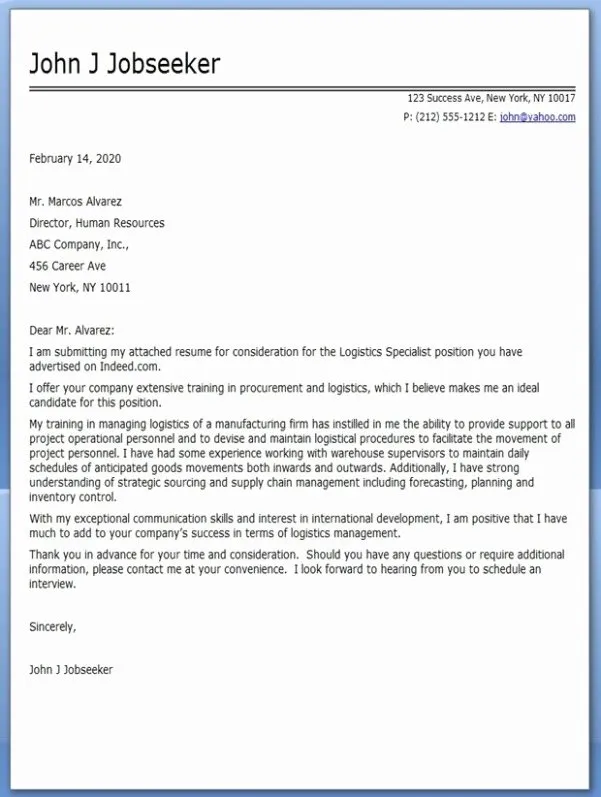
Cover Letter Mastery Overview
The cover letter is your first chance to make a strong impression on a potential employer. It’s a personalized introduction that lets you highlight your skills, experiences, and enthusiasm for the role and company. While your resume provides a comprehensive overview, the cover letter gives you space to tell your story, connecting your qualifications to job requirements and expressing genuine interest. Mastering a compelling cover letter is crucial for standing out from the competition and securing an interview. It goes beyond just repeating your resume; it’s about demonstrating how your unique skills and experiences align with the employer’s needs and what you bring to the team. This guide explores the top 5 secrets to cover letter mastery, helping you create a document that captivates and convinces.
Highlighting Your Skills
A crucial element of a cover letter is effectively showcasing relevant skills. This goes beyond simply listing your skills, it involves demonstrating how you’ve used them to achieve real results. Prioritize skills most relevant to the job description. Analyze the job posting, identify key skills and qualifications, and then provide specific examples of how you’ve utilized these skills in previous roles or projects. Use action verbs and quantify your accomplishments whenever possible. For example, instead of ‘Managed social media accounts,’ you might write ‘Increased social media engagement by 30% within six months by implementing a new content strategy.’ This shows not only your skill but also the positive impact you can deliver.
Quantifying Achievements

Quantifying your achievements is a powerful way to demonstrate your value in previous roles. Numbers speak volumes and provide concrete proof of your abilities and impact. Use specific metrics and data to support your claims whenever possible. For instance, if you improved sales, state the percentage increase or monetary value added. If you streamlined a process, mention the percentage reduction in time or cost. Similarly, if you led a project, describe the outcome using measurable results. Quantifiable data not only adds credibility but also gives the hiring manager a clear understanding of your capabilities. Using numbers makes your achievements more tangible and easier to understand, setting you apart from candidates who only offer vague descriptions of accomplishments.
Tailoring to the Job Description
A common mistake is sending generic cover letters. Each cover letter should be customized to the specific job and company. This demonstrates that you’ve done your research and are genuinely interested. Begin by carefully examining the job description, noting key requirements and keywords. Customize your cover letter to address these specific needs. Highlight the skills and experiences that directly align with what the employer is seeking. Mention the company by name and explain your interest in working there. Show that you understand their mission, values, and products or services. Personalize your cover letter by addressing the hiring manager by name, if possible. This level of personalization demonstrates your dedication and interest, making you a more attractive candidate.
Cover Letter Logistics Top Secret 1
Formatting and Layout
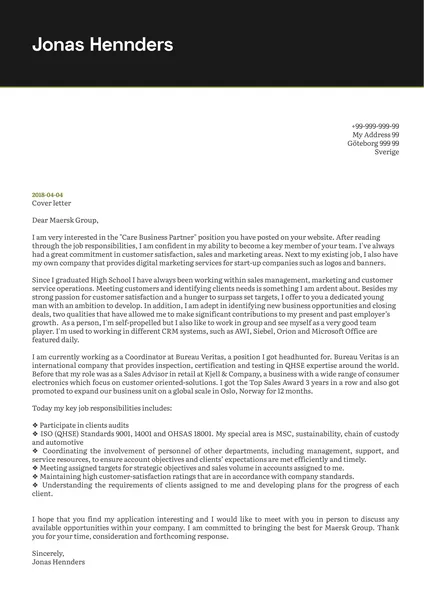
The format and layout are vital for your cover letter’s readability and professionalism. A well-formatted cover letter is easy to read and visually appealing. Choose a clean, professional font like Arial, Calibri, or Times New Roman and keep the font size between 10 and 12 points. Maintain consistent formatting throughout, including font style, size, and spacing. Text should be left-aligned, with clear margins on all sides, and single or 1.15 line spacing. Divide your cover letter into distinct sections with clear headings and subheadings, making it easy for the reader to navigate and find information. Proper formatting ensures a polished look and shows attention to detail, increasing your chances of success.
Choosing the Right Font
Font choice significantly impacts readability and professionalism. Choose a clear, legible font that’s easy on the eyes. Avoid decorative or unconventional fonts, as they can distract and make your document unprofessional. Stick to standard fonts like Arial, Calibri, or Times New Roman. These are available on most computers, ensuring your cover letter looks the same on any device. The ideal font size is 10 to 12 points, ensuring the text is easily readable without taking up too much space. When in doubt, prioritize simplicity and professionalism in font selection.
Structuring Your Content
A well-structured cover letter is easy to read, allowing the reader to quickly grasp key information. Begin with a clear heading that includes your contact information, the date, and the recipient’s details. The body should be divided into three to four paragraphs. The first paragraph should state your purpose and the position you’re applying for. Subsequent paragraphs should highlight relevant skills and experiences, providing specific examples. The final paragraph should express your enthusiasm and interest in an interview. Maintain a logical flow throughout, transitioning smoothly between ideas. This approach makes your cover letter engaging and ensures the reader can follow your thoughts.
Cover Letter Logistics Top Secret 2

Contact Information
Providing accurate and professional contact information is crucial. Your cover letter should include your full name, phone number, professional email address, and, optionally, your LinkedIn profile URL. Place your contact information at the top of the cover letter, either in the heading or a separate section. Double-check all contact details for accuracy. Ensure your phone number is current and that you have a professional voicemail greeting. Your email address should be professional; avoid using nicknames or casual language. Include a link to your LinkedIn profile, allowing the hiring manager to learn more. This information makes it easy for the hiring manager to reach you and ensures professional communication.
Professional Email Address
Your email address is essential for a professional image. Use an email address with your first and last name, or a variation, such as john.doe@email.com or johndoe123@email.com. Avoid informal email addresses with nicknames or unprofessional terms, which can create a negative impression. Ensure your email is easy to read and remember. Regularly check your email and respond promptly to potential employers. A professional email address shows attention to detail and a commitment to professionalism, crucial in the job search.
Phone Number and LinkedIn

Include your phone number and LinkedIn profile URL for easy access. Provide your current phone number, making sure you can be easily reached. Ensure your voicemail greeting is professional and you can receive and respond to messages promptly. Include a link to your LinkedIn profile, giving the hiring manager more insight into your professional background, experience, and network. If you don’t have a LinkedIn profile, consider creating one. It’s a powerful tool for networking and showcasing your profile. Ensure your LinkedIn profile is up-to-date, with a professional picture, a summary of your skills, and a list of past experiences and accomplishments.
Cover Letter Logistics Top Secret 3
Proofreading and Editing
Proofreading and editing are non-negotiable in the application process. Errors in grammar, spelling, and punctuation can damage your credibility and create a negative impression. Carefully review your cover letter for any mistakes before submitting. Use a spell checker and grammar checker, but don’t rely on them completely. Read your cover letter aloud to catch any awkward phrasing or sentences that don’t flow smoothly. It’s also a good idea to have someone else proofread. A fresh pair of eyes can often catch missed errors. Ensure consistency in formatting and that all information is accurate. A well-proofread and edited cover letter shows you care and pay attention to detail.
Checking for Grammar and Spelling

Thoroughly check your cover letter for grammar and spelling mistakes to project a professional image. Incorrect grammar and spelling can negatively impact your credibility. Use a spell checker and grammar checker, but don’t rely on them entirely. Always read your cover letter carefully, looking for any errors. Pay close attention to the use of correct tenses, punctuation, and capitalization. Make sure all words are spelled correctly and that sentences are structured clearly and concisely. Poor grammar and spelling can undermine your impact; dedicate time to proofread and edit your document to make sure it’s error-free.
Ensuring Clarity and Conciseness
Clarity and conciseness are key to an effective cover letter. Your goal is to communicate your qualifications and interest clearly. Avoid jargon or overly complex language. Use short, clear sentences and paragraphs. Get straight to the point, highlighting relevant skills and experiences that match the job requirements. Proofread and edit to remove any unnecessary words or phrases. Ensure your message is easy to understand and that the reader quickly grasps your key selling points. A clear, concise cover letter demonstrates your communication skills and makes a strong, positive impression.
Cover Letter Logistics Top Secret 4
File Format and Delivery

The file format and delivery method can influence how your cover letter is received. Choose the right format and follow employer instructions. The most common file format is PDF (Portable Document Format), ensuring your document looks the same on any device. Using PDF ensures consistent formatting and layout, preventing potential issues from different word processing software. If the employer specifies a different format, follow those instructions. Always include your cover letter as an attachment. Pay attention to file naming, and use a clear, descriptive name such as YourName_CoverLetter.pdf. This helps the hiring manager easily identify and organize your document.
Sending as a PDF
Sending your cover letter as a PDF is best practice. It ensures the formatting, fonts, and layout remain consistent, regardless of the recipient’s device or operating system. A PDF will render the document exactly as intended, avoiding potential formatting errors from other file formats like DOC or DOCX. Always save your cover letter as a PDF before sending it. This guarantees your cover letter appears as designed, protecting it from unwanted changes. If the employer gives format instructions, follow them. If no format is specified, a PDF is always a safe and professional choice.
Naming Your File
The file name adds to the professionalism of your application. Choose a clear, descriptive file name that helps the recipient identify your document easily. Include your name and the document type, such as JohnDoe_CoverLetter.pdf or JaneSmith_Application.pdf. Avoid generic file names like CoverLetter.pdf or Resume.pdf, which can be confusing, especially if the hiring manager receives many applications. A professional file name ensures your cover letter is organized and easy to locate. Consistency in file naming also projects your attention to detail and professionalism.
Cover Letter Logistics Top Secret 5

Following Up
Following up after submitting your cover letter shows interest and initiative, demonstrating that you’re proactive. If you don’t hear back in a reasonable timeframe (one to two weeks), send a polite follow-up email. Keep it brief and restate your interest, referencing the cover letter and resume. If possible, mention specific skills or experiences that align with the role. Asking about the application’s status can show your eagerness. A follow-up allows you to reiterate your interest and initiative.
When and How to Follow Up
Knowing when and how to follow up is important. Wait about one to two weeks after submitting your application. If the job posting indicates a specific timeframe, adjust your follow-up accordingly. Send a polite, professional follow-up email to the hiring manager. Keep it concise. Reference the position you applied for and restate your interest. If you haven’t heard back within a month, assume the employer has moved on. If you don’t get a response, still show your continued interest in the company. If they have other open positions, you can reiterate your interest in future opportunities.
Maintaining Professionalism
Throughout the application process, maintain professionalism. This applies to your cover letter, follow-up emails, and all other communication. Use a professional tone and language. Be polite, respectful, and courteous. Proofread every message, and ensure your message is clear and concise. Avoid slang, jargon, or informal language. Be mindful of your online presence; review your social media profiles. Maintaining professionalism shows you’re a serious candidate, increasing your chances of getting an interview. Following these tips will help you master the art of the cover letter, increasing your chances of landing your dream job.