Understanding the Law School Cover Letter
Navigating the law school application process can be daunting, and a well-crafted cover letter is a crucial component that can significantly influence your chances of admission. Understanding the nuances and purpose of this document is the first step toward creating a compelling narrative that showcases your strengths and aspirations. It’s more than just a formality; it’s your opportunity to make a strong first impression and demonstrate your genuine interest in the institution. A cover letter provides context to your application, allowing you to explain your motivations, highlight relevant experiences, and express your unique qualities that make you a suitable candidate for law school. Therefore, taking the time to craft a thoughtful and persuasive cover letter is an investment that can pay off handsomely.
What is a Law School Cover Letter
A law school cover letter serves as your personal introduction to the admissions committee, acting as a bridge between your academic transcript, resume, and the school’s expectations. It’s a formal document, typically one page in length, designed to accompany your application materials. It’s your opportunity to articulate your reasons for pursuing a legal education, connect your past experiences to your future goals, and illustrate why you are a good fit for that specific institution. A well-written cover letter should demonstrate your writing skills, attention to detail, and ability to communicate complex ideas effectively. It goes beyond simply restating information from your resume; instead, it offers insights into your personality, values, and aspirations, providing a compelling narrative that humanizes your application and sets you apart from other applicants.
Why Cover Letters Matter

In the competitive landscape of law school admissions, a cover letter can make a significant difference. It allows you to provide a context that a resume or transcript cannot fully offer. It’s your chance to explain any gaps in your education or work history, address any potential weaknesses, and highlight experiences that make you stand out. Cover letters also demonstrate your communication skills, which are essential for a career in law. They showcase your ability to articulate your thoughts clearly, concisely, and persuasively. Moreover, a well-crafted cover letter shows that you have taken the time to research the school and understand its mission and values. This level of commitment and engagement can significantly impress admissions committees, who are looking for students who are genuinely interested in attending their institution.
Key Components of a Law School Cover Letter
A successful cover letter typically includes several key components that work together to create a compelling narrative. From the header information to the closing, each element plays a crucial role in conveying your message effectively. Understanding these components will enable you to craft a cover letter that resonates with the admissions committee and highlights your suitability for law school. Proper formatting and structure are essential to make a professional impression. The ability to tailor each section to your specific experiences and the school’s requirements will make your letter stand out.
Formatting and Structure
The structure of your cover letter is as important as the content. It should follow a clear and professional format that is easy to read and understand. A well-structured cover letter not only looks polished but also helps guide the reader through your key points. This includes proper formatting, the use of standard fonts like Times New Roman or Arial, 1-inch margins, and single spacing. Remember that the goal is to be clear, concise, and persuasive, and proper formatting sets the foundation for effective communication.
Header Information

Your header should include your full name, address, phone number, and email address. This information should be at the top left or centered. Always make sure your contact details are up to date, as this is how the admissions committee will reach you. This is a basic but essential step to ensure your application can be processed efficiently.
Personalized Salutation
Address the admissions committee or a specific person if possible. Using “Dear [Dean’s Name]” or “Dear Admissions Committee” is more personal than a generic greeting. Researching the school’s website to find the name of the admissions officer or dean can significantly enhance your cover letter. This shows that you’ve done your research and are genuinely interested in the school. It also demonstrates attention to detail, which is crucial in the legal profession.
Body Paragraphs
The body of your cover letter is where you will showcase your qualifications, express your interest, and tailor your message to the specific school. Crafting a compelling narrative requires careful thought and a strategic approach. Use clear and concise language, avoiding jargon that might confuse the reader. Each paragraph should have a clear purpose and flow logically from one to the next.
First Paragraph The Hook

The first paragraph should grab the reader’s attention and immediately establish why you are interested in law school and this specific institution. Briefly mention your primary motivation and what you hope to achieve. This introduction sets the tone for the entire letter and encourages the reader to continue. Start with a strong opening statement that captures the reader’s interest, providing a glimpse into your personality and passion for law.
Second Paragraph Your Qualifications
This is where you highlight your relevant experiences, skills, and achievements. Briefly touch upon your academic background, professional experience, and any extracurricular activities that demonstrate your aptitude for law. Don’t just list your accomplishments; explain how these experiences have prepared you for law school. Use examples to illustrate your skills and provide concrete evidence of your abilities.
Third Paragraph Expressing Interest
In this paragraph, express your genuine interest in the law school and explain why you have chosen it. Mention specific programs, faculty members, or aspects of the school that appeal to you. Demonstrate that you’ve researched the institution and understand its mission, values, and strengths. This paragraph should show that you have a clear vision of your future goals and how this particular school can help you achieve them.
Concluding the Letter

Summarize your interest in the school and reiterate your qualifications. Use a positive and enthusiastic tone, and thank the admissions committee for their time and consideration. The conclusion provides a final opportunity to reinforce your key message and leave a lasting impression. It should summarize your main points and express your eagerness to attend the school, signaling your strong commitment to the program.
Professional Closing and Signature
End your cover letter with a professional closing like “Sincerely” or “Respectfully,” followed by your full name. If submitting a physical copy, leave space for your signature above your typed name. This final touch reflects your attention to detail and professionalism, making your letter more impactful. Ensure that your signature is legible and matches your name on the document.
Proofreading and Editing
Before submitting your cover letter, proofread it carefully for any errors in grammar, spelling, and punctuation. Errors can undermine your credibility and detract from your message. Ask a friend, family member, or career advisor to review your letter as well. Fresh eyes can often catch mistakes that you might have missed. This thorough review is critical because it ensures that your cover letter is polished, professional, and error-free, reflecting your attention to detail.
Common Mistakes to Avoid

Avoiding common mistakes is just as important as knowing what to include. These mistakes can make or break your application. Understanding the pitfalls can help you refine your cover letter and present yourself in the best possible light. By avoiding these common errors, you will make a more positive impression on the admissions committee.
Generic vs Personalized Content
Avoid using a generic cover letter that you send to every school. Tailor each letter to the specific institution, demonstrating that you have researched their programs and understand their values. Generic content shows a lack of genuine interest and a failure to engage with the specific aspects of the law school. Customizing your letter for each application is essential to showing your sincere interest in the program and making it a more impactful submission.
Typos and Grammatical Errors
Typos and grammatical errors can create a negative impression. Proofread your cover letter carefully, and have someone else review it. Errors can detract from your credibility and suggest a lack of attention to detail, a crucial skill in law. A perfectly polished cover letter reflects your professionalism and commitment to quality. Meticulous attention to detail is crucial when applying for law school.
Using Strong Action Verbs

Using strong action verbs is a key element to enhance your writing, making it more dynamic and engaging. Instead of stating you “worked on” a project, say you “led” or “managed” it. Strong verbs add more impact and demonstrate your capabilities effectively. By using strong action verbs, you can showcase your achievements and make your cover letter more compelling and memorable, demonstrating your active involvement and accomplishments.
Showcasing Your Personality
While professionalism is important, also allow your personality to shine through. Use a confident, genuine tone and let your passion for law and your specific goals come across. Showcasing your personality is about showing that you are a well-rounded person and a good fit for the law school’s culture. It’s about balancing professionalism with authenticity to make your application more memorable.
Tailoring Your Letter for Each Application
Tailoring your cover letter for each application is essential for demonstrating your genuine interest and suitability for the school. This means customizing the content to reflect the specific programs, values, and faculty of each institution. You need to research the school thoroughly. Show that you have taken the time to understand what makes each law school unique and how your goals align with their offerings, making your application stand out.
Researching the Law School

Thorough research is crucial before writing your cover letter. Understand the school’s mission, values, programs, and faculty. This research will help you tailor your letter to the school’s specific attributes. It is crucial to demonstrate that you have genuine interest and enthusiasm for that school, showing that you are a good fit for their community. This demonstrates your commitment and allows you to make your cover letter stand out.
Highlighting Relevant Experiences
Focus on experiences that are most relevant to your legal aspirations. Highlight any internships, volunteer work, or extracurricular activities that demonstrate your skills and experiences. Provide specific examples and show how these experiences have prepared you for the study of law. Demonstrating your related experiences increases your chances of standing out.
Reviewing Examples and Templates
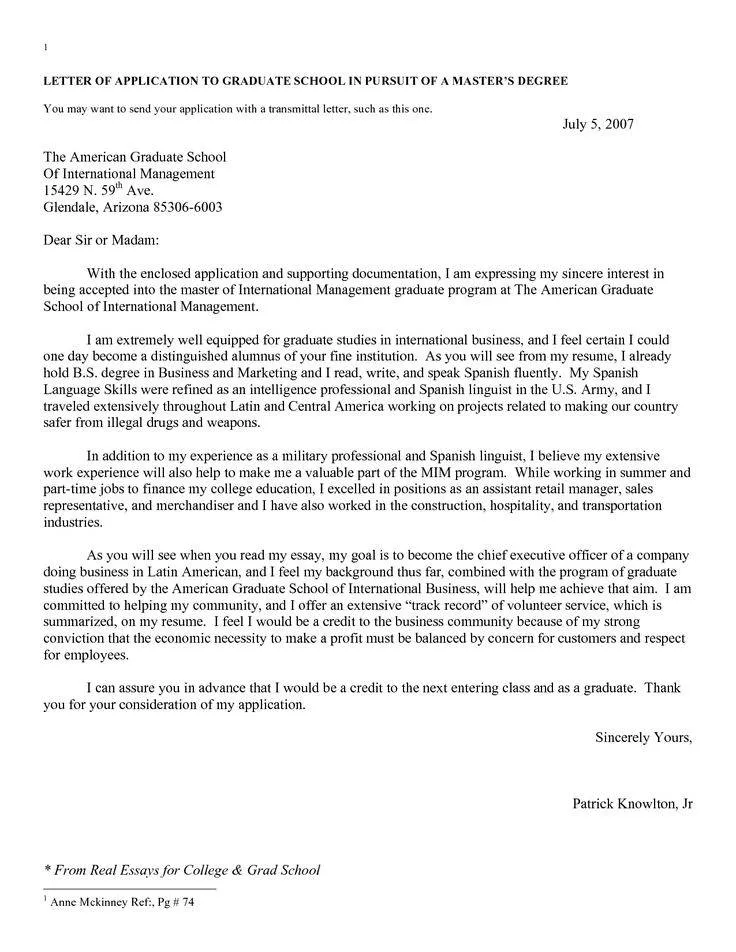
Reviewing examples and templates can be a helpful starting point when crafting your cover letter. Look at successful cover letters to understand the structure, tone, and content that admissions committees appreciate. However, do not simply copy and paste. Use these examples as inspiration to craft a unique and authentic letter that reflects your individual background, experiences, and aspirations. Always adapt any template to your specific circumstances.
Analyzing Successful Cover Letters
Analyze successful cover letters to identify their strengths and key elements. Note the language, structure, and the way they highlight the candidate’s experiences and interests. Analyzing successful letters can help you refine your approach, ensuring that your letter is impactful, and it makes a strong impression. Pay close attention to how they articulate their reasons for wanting to go to law school.