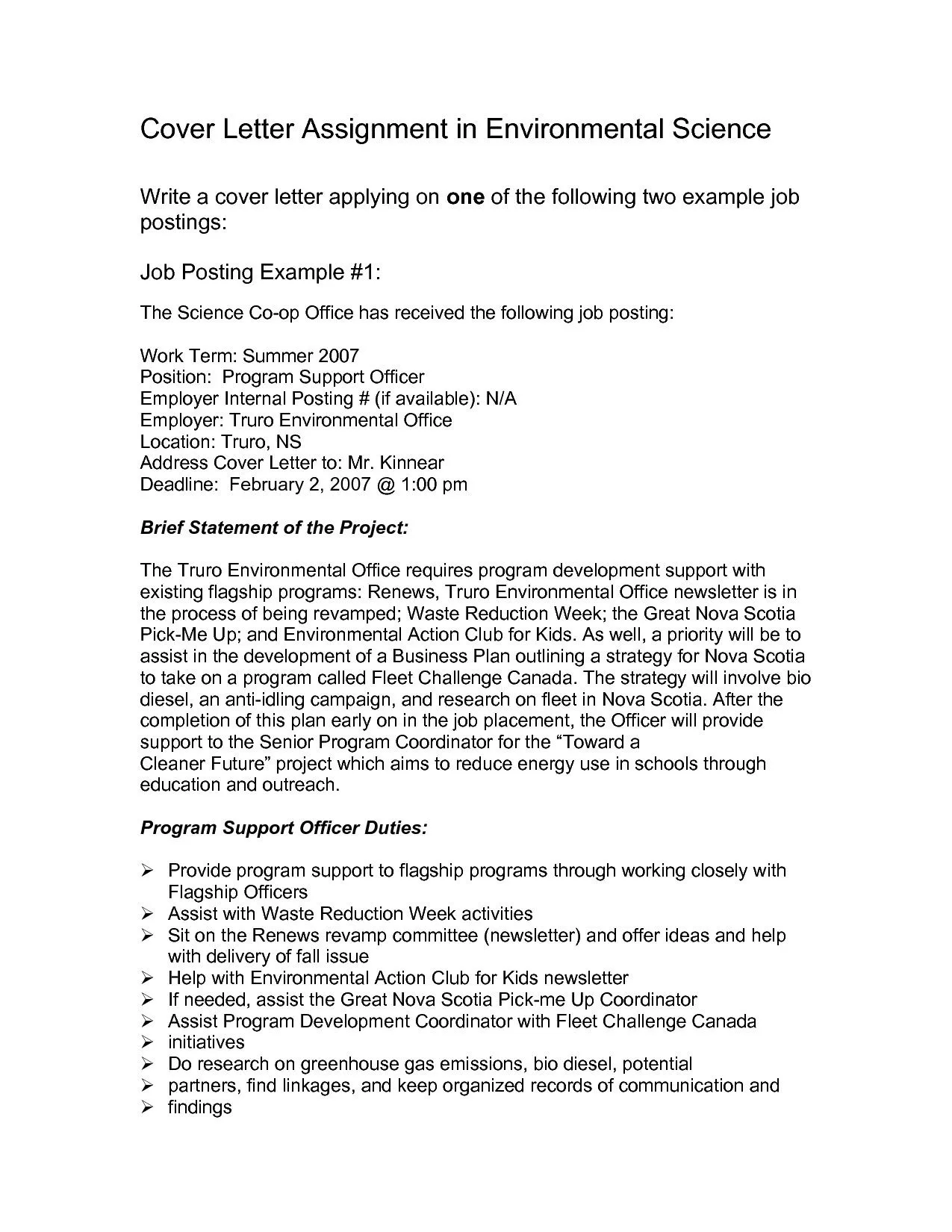
Cover Letter Internal Posting Why It Matters
Navigating the internal job market requires a strategic approach, and your cover letter for an internal posting is your most powerful tool. Unlike external applications, you have the advantage of familiarity with the company culture and potential internal networks. This is precisely why your cover letter becomes an essential component of your application. A well-crafted internal cover letter does more than just reiterate your resume; it demonstrates your understanding of the new role, your alignment with the company’s values, and your enthusiasm for continued growth within the organization. It’s a chance to showcase your achievements, highlight your potential, and articulate how you envision contributing to the company’s future success. A compelling cover letter elevates your application, setting you apart from other internal candidates and significantly increasing your chances of landing an interview and securing the position. It’s a chance to transform a simple application into a narrative of value, ambition, and commitment. Think of this document as the opportunity to express your passion and ambition within your company, showcasing the unique assets you bring to the role.
Highlighting Your Achievements
When applying for an internal position, showcasing your achievements is critical. Focus on specific accomplishments that demonstrate your skills and contributions to the company. Instead of simply listing your job duties, quantify your successes whenever possible. Provide clear examples of how you’ve exceeded expectations, solved problems, or contributed to team goals. This is not just about what you did; it’s about the positive impact you made. Highlight projects where you took initiative, led teams, or implemented improvements that resulted in tangible benefits for the company. Use strong action verbs and provide context to help the hiring manager understand the scope and significance of your accomplishments. Use this section as a means to connect your accomplishments with the requirements of the new position. Ensure that each achievement you discuss aligns with the job description’s requirements, directly showcasing how your past experiences make you the perfect fit for the new role. Remember, the goal is to demonstrate your value and convince the hiring manager that you are a high-performing employee.
Quantifying Accomplishments

Quantifying your achievements adds significant weight to your cover letter for an internal posting. Numbers, percentages, and specific data points provide concrete evidence of your impact and make your claims more credible. Instead of saying, ‘Improved customer satisfaction,’ say, ‘Increased customer satisfaction by 15% through the implementation of a new feedback system.’ Instead of stating, ‘Managed projects,’ specify the scale and success of your projects: ‘Managed five cross-functional projects, delivering them on time and under budget.’ This level of detail not only demonstrates your ability to achieve results but also provides a clear understanding of your value to the company. Use metrics that are relevant to the new role. If the position involves sales, highlight your sales figures. If it focuses on efficiency, showcase your process improvements. This approach will make your achievements more relatable and impressive to the hiring manager. By quantifying your accomplishments, you move beyond general statements and provide a clear picture of your capabilities and contributions, ultimately increasing your chances of being selected for the position.
Tailoring to the New Role
Customizing your cover letter for the specific internal posting is a crucial step. Generic cover letters simply won’t cut it. You must demonstrate that you’ve carefully read the job description and understand the requirements of the new role. Align your skills, experiences, and career aspirations with the position’s needs and the company’s goals. Research the department, the team, and the hiring manager to show that you are genuinely interested in the position and the opportunity for growth. Use the cover letter to articulate how your unique skills and experiences make you the ideal candidate. The goal is to demonstrate that you’re not just looking for any job; you’re specifically pursuing this one. Highlight how your previous roles have prepared you for the responsibilities outlined in the job description. By connecting your past experiences to the requirements of the new role, you will be able to prove your understanding of the role and showcase your future potential to the hiring manager. Tailoring your cover letter shows initiative and a genuine interest, setting you apart from candidates who submit generic applications.
Matching Skills and Requirements
A critical aspect of tailoring your cover letter is directly matching your skills and experiences with the requirements of the internal posting. Carefully review the job description and identify the key skills, qualifications, and experiences the company is seeking. Then, in your cover letter, explicitly state how your abilities align with these requirements. Provide concrete examples from your previous roles that demonstrate you possess these skills. If the job requires project management skills, share examples of successful projects you’ve managed and the results you achieved. If it requires strong communication skills, describe situations where you effectively communicated complex information. Use keywords and phrases from the job description throughout your cover letter to show that you have a clear understanding of the role and the expectations. This alignment confirms you have a genuine interest in the position and possess the skills necessary for success. It’s about showing, not just telling, that you are the perfect candidate. Be specific, providing quantifiable results and connecting your experiences to the goals of the company, for greater impact.
Internal Posting Cover Letter Formatting

Formatting your cover letter for an internal posting is as important as the content itself. A well-formatted cover letter is easy to read, professional, and demonstrates attention to detail. Start with a clean, professional font like Times New Roman or Arial, and use a font size between 10 and 12 points. Ensure your cover letter has a consistent format with clear headings, concise paragraphs, and ample white space. Use bullet points to highlight key achievements or skills, but avoid overusing them. Keep the letter concise, ideally no more than one page long. Make it easy for the reader to scan and quickly understand your qualifications. Begin by addressing the hiring manager by name, if possible, to show you’ve done your research. In the body of the letter, clearly state the position you are applying for and where you saw the internal posting. Proofread the document carefully for any spelling or grammatical errors, as these can detract from your professionalism. A properly formatted and polished cover letter reflects your professionalism and commitment to the company. Formatting should be used to emphasize your strengths and make a positive first impression.
Professional Tone and Language
Maintaining a professional tone and using appropriate language is essential in an internal cover letter. While you may be familiar with the company culture, your cover letter should still adhere to professional writing standards. Use formal language and avoid slang, jargon, or overly casual expressions. Show respect for the hiring manager and the company. Focus on your skills, achievements, and how you can contribute to the team’s success. Express your enthusiasm for the role and the opportunity for growth within the organization. Be concise and direct in your writing, avoiding unnecessary fluff or overly complex sentences. Proofread your cover letter thoroughly to ensure there are no grammatical errors or typos, which can undermine your credibility. Use positive and assertive language, highlighting your strengths and accomplishments. The tone should reflect your professionalism and your understanding of the workplace’s expectations. It is best to highlight your respect for the role and the company’s culture. Maintain a professional tone, and you’ll show that you’re serious about the position and dedicated to the company’s values.
Proofreading and Editing
Proofreading and editing your internal posting cover letter is a non-negotiable step that can significantly impact your chances of success. Before you submit your application, carefully review the document for any errors in grammar, spelling, punctuation, and sentence structure. Mistakes can create a negative impression, suggesting a lack of attention to detail and professionalism. Use a grammar checker and spell-checker tool, but don’t rely on them completely. Read the cover letter multiple times, and if possible, ask a colleague, friend, or family member to proofread it as well. Fresh eyes often catch errors that you might have missed. Ensure the letter is clear, concise, and easy to understand. Verify that all the information is accurate and that you’ve used the correct name and title of the hiring manager. By taking the time to proofread and edit your cover letter, you demonstrate your professionalism and respect for the opportunity, increasing your chances of making a positive impression and securing the position. A polished cover letter is a reflection of your commitment and meticulousness.
Showcasing Internal Company Knowledge

Leveraging your knowledge of the company culture is a key advantage in an internal cover letter. Show that you understand the organization’s mission, values, and goals. Demonstrate your familiarity with the company’s products or services, its competitors, and the industry. Mention specific projects or initiatives you’ve been involved in that align with the new role. Use internal jargon or acronyms when appropriate, but avoid using them excessively or assuming that the hiring manager knows everything you know. This is an opportunity to highlight your insider perspective, showing that you are already aligned with the company’s direction and values. Showing that you have a deep understanding of the company and its objectives demonstrates your commitment and that you are invested in the company’s future. Referencing past projects or successes shows the hiring manager that you’re not only familiar with the company, but you’ve also contributed to its success.
Referencing Company Culture
Referencing the company culture in your cover letter can set you apart from other candidates. Show that you understand and embrace the company’s values, such as teamwork, innovation, or customer focus. Relate your experiences and skills to the company’s core values, providing specific examples of how you’ve embodied those values in your previous roles. This could involve discussing how you’ve contributed to a collaborative team environment, initiated innovative solutions, or consistently exceeded customer expectations. If the company emphasizes employee development, mention any training programs or professional development activities you’ve participated in. Make sure your reference to the company culture is authentic and relevant to your qualifications. Show the hiring manager that you are more than just a qualified candidate; you’re a culture fit. Demonstrating your alignment with the company culture can significantly increase your chances of being selected, showing that you are not just capable of the job, but that you’ll thrive within the existing environment.
Demonstrating Company Values
Demonstrating the company’s values is a powerful way to strengthen your internal cover letter. Identify the company’s core values, which are often listed on the company website or in employee handbooks. Then, in your cover letter, provide concrete examples of how you’ve embodied these values in your professional conduct. If teamwork is a core value, describe how you’ve collaborated with colleagues to achieve a common goal. If innovation is valued, highlight projects where you’ve implemented new ideas or solutions. If customer satisfaction is emphasized, share instances where you’ve exceeded customer expectations. Ensure that the examples you provide are specific and relevant to the job description. For example, if the new role involves leadership, showcase how you’ve demonstrated leadership qualities in the past, aligning with the company’s values. By connecting your skills and experiences to the company’s values, you demonstrate that you are not just a good fit for the role but also for the company. This alignment can substantially increase your appeal to the hiring manager and set you apart from other candidates.
Cover Letter Internal Posting Call to Action

Concluding your internal cover letter with a strong call to action is essential for demonstrating your interest and securing an interview. Clearly state your interest in the position and reiterate your enthusiasm for the opportunity. Express your desire to discuss your qualifications further and your belief that you can contribute to the team’s success. Thank the hiring manager for their time and consideration, and make it easy for them to contact you. Include your contact information, such as your phone number and email address, to facilitate a quick response. Use a professional and polite tone in your closing, and avoid sounding overly assertive or demanding. The goal is to leave a lasting positive impression and make it easy for the hiring manager to take the next step. Keep the call to action concise and to the point. The final paragraph should serve to restate your interest and offer your availability for an interview. A strong call to action confirms your interest and encourages the hiring manager to take the next step.
Expressing Enthusiasm
Expressing genuine enthusiasm is a critical element in your internal cover letter, showing you are excited about the opportunity. Your excitement can significantly impact your chances of being selected for the position. Clearly articulate your interest in the role and the potential for growth within the company. Highlight what aspects of the role or the company particularly excite you, such as specific projects, new challenges, or opportunities to contribute to the company’s mission. Show that you understand the requirements of the position and are genuinely interested in the opportunity. Express your belief that you have the skills, experience, and passion to excel in the new role. Enthusiasm goes beyond simple statements; it involves demonstrating a sincere eagerness to contribute and be a part of the team. Use positive and energetic language throughout your letter to convey your passion. A show of enthusiasm can transform your application from a simple submission into a testament to your excitement and commitment to the company.
Requesting an Interview
The final step of your internal cover letter should be to request an interview. This is where you clearly state your desire to discuss your qualifications and experience further. Reiterate your enthusiasm for the position and your belief that you are a strong candidate. Indicate your availability for an interview and make it easy for the hiring manager to contact you. Include your contact information, such as your phone number and email address. Thank the hiring manager for their time and consideration, expressing your appreciation for the opportunity. Ensure your closing is professional and polite. Avoid sounding too aggressive or demanding. Instead, focus on the value you bring to the team and your readiness to discuss how you can contribute. A clear, concise request for an interview is a crucial step in the application process, increasing your chances of moving forward. By ending with a confident and respectful request, you show initiative and professionalism, leaving the hiring manager with a positive and lasting impression.