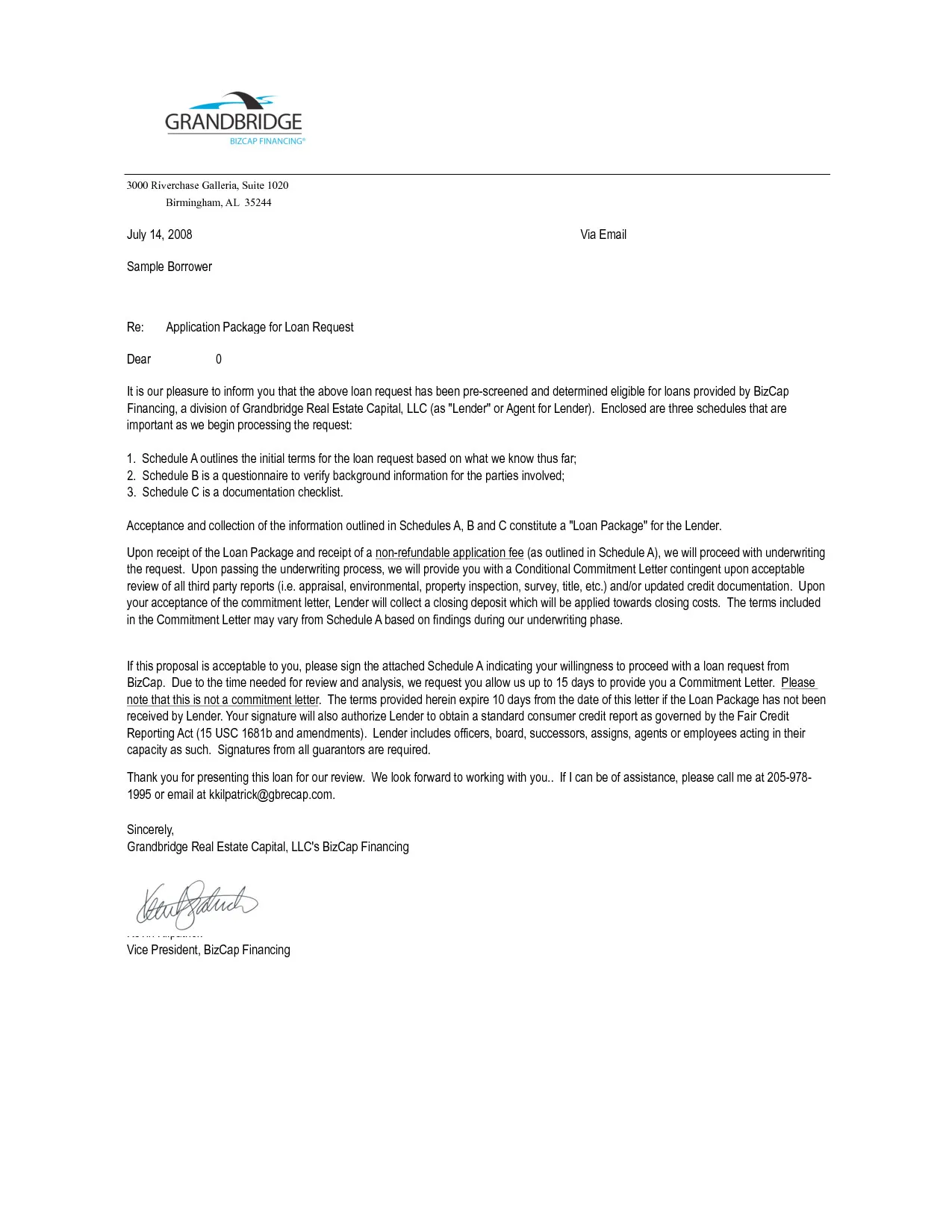
Expressions of Interest Cover Letter Basics
An expressions of interest cover letter is a pivotal document in your job-seeking arsenal. It is your opportunity to make a strong initial impression, demonstrate your suitability for a particular role or project, and encourage the reader to delve deeper into your credentials. Unlike a standard cover letter that responds to a specific job advertisement, this type is often sent proactively, signaling your eagerness to contribute to a company or field. Understanding the subtleties of crafting such a letter is vital for maximizing your prospects. This guide offers a thorough approach to writing a compelling expressions of interest cover letter that captures attention and secures chances.
Understand the Purpose
The primary goal of an expressions of interest cover letter is to highlight your enthusiasm and position yourself as a valuable asset to the prospective employer or organization. This involves plainly stating your interest, showcasing your pertinent abilities and experience, and illustrating how your contributions align with their objectives. This document is not merely a formality; it is a strategic instrument to distinguish yourself from other potential candidates. It allows you to present yourself, articulate your professional goals, and start a dialogue that may result in future employment or partnership. It represents a proactive step in the job-seeking procedure.
Key Components of an Expressions of Interest Cover Letter

A well-constructed expressions of interest cover letter typically includes several key elements that collectively build a convincing case. Start with a professional heading that includes your contact information, followed by the date and the recipient’s details if known. The opening paragraph should immediately grab the reader’s attention by stating your intent and the specific opportunity or area of interest. The body paragraphs should delve into your relevant skills, experience, and accomplishments, providing concrete examples to support your claims. Finally, the closing paragraph should reiterate your interest, express your eagerness to discuss potential opportunities, and thank the reader for their time and consideration.
Formatting Your Cover Letter
Effective formatting is essential for ensuring your expressions of interest cover letter is easily readable and visually appealing. Choose a professional font like Times New Roman, Arial, or Calibri, and maintain a consistent font size between 10 and 12 points. Utilize clear paragraph spacing to break up large blocks of text and make it easier for the reader to digest the information. Use concise language and avoid lengthy sentences. Ensure that your letter fits on a single page unless it is absolutely necessary to include more information. A well-formatted letter shows that you pay attention to detail and respect the reader’s time, which are both qualities employers value. Proper formatting increases readability and makes a positive first impression.
Pre-writing Process
Prior to beginning the writing process, comprehensive preparation is essential to guarantee that your expressions of interest cover letter is focused and effective. This encompasses research and self-assessment. The objective is to comprehend the demands of the company or organization, as well as your own strengths and how they relate to the potential opportunity. This step establishes the foundation for a persuasive and personalized letter that distinguishes you from the competition. It is a crucial step in tailoring your application and showcasing your genuine interest and suitability.
Research the Opportunity

When researching the opportunity, delve into the company’s mission, values, and recent projects or initiatives. Explore their website, social media presence, and any relevant industry news or reports. Understanding the organization’s current challenges and strategic goals can help you tailor your cover letter to demonstrate how your skills and experience can contribute to their success. If you are targeting a specific role or area, research the requirements and expectations to ensure your letter directly addresses their needs. This research not only helps you craft a more relevant letter but also demonstrates your proactive approach and genuine interest in the opportunity.
Identify Relevant Skills
Identifying your relevant skills is a crucial step in the pre-writing process. Take an inventory of your skills, both hard and soft, that align with the organization’s needs or the potential opportunity. Hard skills are technical abilities that you have acquired through education, training, or work experience, such as data analysis, coding, or project management. Soft skills, on the other hand, are interpersonal and behavioral traits like communication, teamwork, and problem-solving. By pinpointing the skills that are most relevant, you can tailor your cover letter to highlight how you can make a positive impact. Include specific examples of how you have applied these skills in the past, demonstrating your ability to deliver results.
Tailoring Your Cover Letter
Customizing your expressions of interest cover letter is paramount to making a lasting impression. Generic cover letters are easily disregarded, whereas a tailored letter indicates that you’ve invested time and effort in understanding the organization and the opportunity. The aim is to create a unique narrative that emphasizes your suitability and enthusiasm. This customization can significantly increase the impact of your letter and make it more memorable to the recipient. It’s about showing that you’re not merely sending out a mass application, but that you have a genuine interest in the specific opportunity.
Highlighting Relevant Experience

Highlighting your relevant experience involves selecting the most pertinent examples from your work history to showcase your abilities and achievements. Focus on experiences that align with the organization’s needs or the potential opportunity. Use the STAR method (Situation, Task, Action, Result) to structure your examples, providing context, describing your responsibilities, detailing the actions you took, and quantifying the results you achieved. This structured approach allows you to demonstrate how you have applied your skills in real-world situations and how your contributions have generated positive outcomes. This method creates a compelling narrative.
Quantifying Achievements
Quantifying your achievements is a potent method to demonstrate the impact of your work. Whenever feasible, utilize numbers, percentages, and specific metrics to illustrate your accomplishments. Instead of saying, “Improved customer satisfaction,” say, “Increased customer satisfaction by 15%.” This approach makes your claims more credible and easier to understand. It also provides concrete evidence of your abilities and results. By quantifying your achievements, you provide the reader with tangible proof of your value and potential contributions. This approach enhances the persuasive power of your cover letter.
Showcasing Soft Skills
Showcasing your soft skills is equally important in making your cover letter stand out. Soft skills are the interpersonal and behavioral attributes that enable you to interact effectively with others and manage your work. These include communication, teamwork, problem-solving, leadership, and adaptability. Provide examples of how you have demonstrated these skills in the workplace or other settings. For instance, you might describe a situation where you successfully resolved a conflict, led a team to achieve a common goal, or adapted to a significant change. Showing your soft skills helps you create a more well-rounded picture of your professional persona.
Writing Your Cover Letter

The writing phase involves structuring your cover letter to create a narrative that captures the reader’s attention and showcases your qualifications. It is important to use a professional tone and clear language to ensure your message is easily understood. The opening paragraph should immediately engage the reader, the body paragraphs should provide detailed examples of your relevant experience, and the closing paragraph should reiterate your interest and encourage further dialogue. Each section should serve a specific purpose, all working in tandem to achieve your objective.
The Opening Paragraph
The opening paragraph of your expressions of interest cover letter is critical for capturing the reader’s attention. Start by clearly stating your purpose, expressing your interest in the organization or opportunity, and briefly explaining why you are writing. If you know the name of the hiring manager, address the letter to them directly. Make it clear that you are eager to learn more about potential opportunities and highlight your enthusiasm. The opening must grab the reader’s attention and set the stage for the rest of your letter. A strong opening will make the reader want to continue reading.
Body Paragraphs Demonstrating Fit
In the body paragraphs, provide detailed examples of your skills and experience that align with the organization’s needs. Structure your paragraphs logically, using the STAR method (Situation, Task, Action, Result) to demonstrate how you have used your skills to achieve results. Highlight your most relevant achievements and quantify them whenever possible. This is the core of your cover letter, where you will demonstrate your suitability. Link your experiences to the opportunities the company is working on. Ensure that each paragraph contributes to building your case and reinforcing your value proposition.
The Closing Paragraph

The closing paragraph should reiterate your interest in the opportunity and express your enthusiasm for a potential conversation. Thank the reader for their time and consideration, and provide your contact information. You can also mention that you have attached your resume for their review. Be polite, professional, and proactive by inviting the recipient to contact you for further discussion. The closing paragraph should leave the reader with a positive impression and encourage them to take the next step.
Proofreading and Editing
Thorough proofreading and editing are essential for ensuring that your expressions of interest cover letter is free of errors and presents you in a professional light. Errors in grammar, spelling, and punctuation can detract from your credibility and undermine the impact of your message. Review your letter multiple times, checking for any mistakes. It’s also a good idea to have someone else review your letter, as a fresh pair of eyes can often catch errors that you might have missed. Proofreading is a critical step to avoid giving a bad impression.
Common Mistakes to Avoid
Avoiding common mistakes is crucial to making a positive impression. One common mistake is using a generic cover letter that doesn’t show an understanding of the company or the opportunity. Other mistakes include not tailoring your letter to the specific role, using passive language, and including irrelevant information. Ensure that your letter is free of typos and grammatical errors. Avoid using jargon that the recipient might not understand and don’t be overly formal. A well-crafted cover letter that is free of common mistakes will greatly enhance your chances of making a good impression and progressing in the application process.
Formatting and Presentation Tips

Formatting and presentation play a significant role in making your cover letter visually appealing and easy to read. Use a professional font, such as Arial or Times New Roman, and maintain a consistent font size (10-12 points). Use clear paragraph spacing and avoid long blocks of text to improve readability. Include a professional heading with your contact information, the date, and the recipient’s details if known. Use bullet points or numbered lists to highlight key skills or achievements. Proofread carefully to ensure there are no typos or grammatical errors. A well-formatted and presented cover letter shows that you pay attention to detail and respect the reader’s time.
Review and Refine
After writing your expressions of interest cover letter, take the time to review and refine it. Read your letter carefully, checking for clarity, conciseness, and accuracy. Ensure that your letter is well-organized and easy to follow. Revise any sections that are unclear or could be improved. Consider the overall tone and make sure it is professional and enthusiastic. If possible, ask a trusted friend, mentor, or career advisor to review your letter and provide feedback. This final step will help you ensure that your cover letter is polished and effective, increasing your chances of securing the opportunity.